Amanda Polk, LISW-CP
South Carolina · 10 yrs exp
Works with Stress, Anxiety / Relationship / Family +2
Works by Client-Centered Therapy / Cognitive Behavioral Therapy (CBT)
View ProfileWelcome to our South Carolina listings for online therapy. All therapists shown on this page are licensed to practice in the state of South Carolina.
Explore profiles to learn about each clinician's focus areas, approaches, languages and credentials so you can find someone who matches your needs.
South Carolina · 10 yrs exp
Works with Stress, Anxiety / Relationship / Family +2
Works by Client-Centered Therapy / Cognitive Behavioral Therapy (CBT)
View Profile
South Carolina · 20 yrs exp
Works with Stress, Anxiety / Relationship / Trauma and abuse +12
Works by Client-Centered Therapy / Cognitive Behavioral Therapy (CBT)
View Profile
South Carolina · 15 yrs exp
Works with Stress, Anxiety / Trauma and abuse / Anger +14
Works by Acceptance and Commitment Therapy (ACT) / Attachment-Based Therapy
View Profile
South Carolina · 10 yrs exp
Works with Stress, Anxiety / Relationship / Family +3
Works by Attachment-Based Therapy / Client-Centered Therapy
View Profile
South Carolina · 17 yrs exp
Works with Stress, Anxiety / Relationship / Family +14
Works by Acceptance and Commitment Therapy (ACT) / Attachment-Based Therapy
View Profile
South Carolina · 6 yrs exp
Works with Stress, Anxiety / Family / Trauma and abuse +15
Works by Acceptance and Commitment Therapy (ACT) / Attachment-Based Therapy
View Profile
South Carolina · 18 yrs exp
Works with Stress, Anxiety / Relationship / Family +7
Works by Acceptance and Commitment Therapy (ACT) / Client-Centered Therapy
View Profile
South Carolina · 5 yrs exp
Works with Stress, Anxiety / Trauma and abuse / Self esteem +2
View Profile
South Carolina · 24 yrs exp
Works with Stress, Anxiety / Addictions / Family +13
Works by Client-Centered Therapy / Cognitive Behavioral Therapy (CBT)
View Profile
South Carolina · 9 yrs exp
Works with Stress, Anxiety / Addictions / Trauma and abuse +14
Works by Client-Centered Therapy / Cognitive Behavioral Therapy (CBT)
View Profile
South Carolina · 10 yrs exp
Works with Stress, Anxiety / Relationship / Grief +9
Works by Acceptance and Commitment Therapy (ACT) / Client-Centered Therapy
View Profile
South Carolina · 10 yrs exp
Works with Stress, Anxiety / Relationship / Trauma and abuse +17
Works by Acceptance and Commitment Therapy (ACT) / Attachment-Based Therapy
View Profile
South Carolina · 9 yrs exp
Works with Trauma and abuse / Anger / Self esteem +9
Works by Cognitive Behavioral Therapy (CBT) / Dialectical Behavior Therapy (DBT)
View Profile
South Carolina · 6 yrs exp
Works with Stress, Anxiety / Trauma and abuse / Grief +10
Works by Client-Centered Therapy / Cognitive Behavioral Therapy (CBT)
View Profile
South Carolina · 10 yrs exp
Works with Stress, Anxiety / Anger / Self esteem +14
Works by Client-Centered Therapy / Cognitive Behavioral Therapy (CBT)
View Profile
South Carolina · 26 yrs exp
Works with Stress, Anxiety / Family / Trauma and abuse +13
Works by Acceptance and Commitment Therapy (ACT) / Cognitive Behavioral Therapy (CBT)
View Profile
South Carolina · 25 yrs exp
Works with Stress, Anxiety / Relationship / Family +15
Works by Client-Centered Therapy / Cognitive Behavioral Therapy (CBT)
View Profile
South Carolina · 5 yrs exp
Works with Stress, Anxiety / LGBT / Relationship +15
Works by Client-Centered Therapy / Cognitive Behavioral Therapy (CBT)
View Profile
South Carolina · 23 yrs exp
Works with Stress, Anxiety / Addictions / LGBT +12
Works by Client-Centered Therapy / Cognitive Behavioral Therapy (CBT)
View Profile
South Carolina · 7 yrs exp
Works with Stress, Anxiety / Trauma and abuse / Self esteem +12
Works by Acceptance and Commitment Therapy (ACT) / Client-Centered Therapy
View Profile
South Carolina · 50 yrs exp
Works with Stress, Anxiety / Relationship / Family +2
View Profile
South Carolina · 11 yrs exp
Works with Stress, Anxiety / Family / Self esteem +17
Works by Acceptance and Commitment Therapy (ACT) / Attachment-Based Therapy
View Profile
South Carolina · 8 yrs exp
Works with Stress, Anxiety / Addictions / Relationship +12
Works by Acceptance and Commitment Therapy (ACT) / Client-Centered Therapy
View Profile
South Carolina · 10 yrs exp
Works with Stress, Anxiety / Relationship / Family +14
Works by Client-Centered Therapy / Cognitive Behavioral Therapy (CBT)
View Profile
South Carolina · 14 yrs exp
Works with Stress, Anxiety / Relationship / Family +14
Works by Acceptance and Commitment Therapy (ACT) / Client-Centered Therapy
View Profile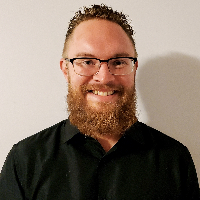
South Carolina · 10 yrs exp
Works with Stress, Anxiety / Addictions / Relationship +11
Works by Client-Centered Therapy / Cognitive Behavioral Therapy (CBT)
View Profile
South Carolina · 17 yrs exp
Works with Stress, Anxiety / Grief / Anger +9
Works by Client-Centered Therapy / Cognitive Behavioral Therapy (CBT)
View Profile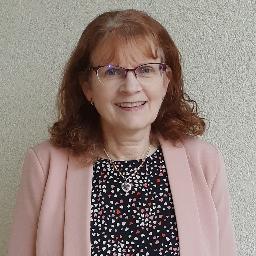
South Carolina · 10 yrs exp
Works with Stress, Anxiety / Trauma and abuse / Self esteem +14
Works by Acceptance and Commitment Therapy (ACT) / Client-Centered Therapy
View Profile
South Carolina · 22 yrs exp
Works with Stress, Anxiety / Anger / Depression +16
View Profile
South Carolina · 52 yrs exp
Works with Stress, Anxiety / Relationship / Grief +16
Works by Attachment-Based Therapy / Client-Centered Therapy
View Profile
South Carolina · 30 yrs exp
Works with Stress, Anxiety / Addictions / Relationship +15
Works by Client-Centered Therapy / Cognitive Behavioral Therapy (CBT)
View Profile
South Carolina · 30 yrs exp
Works with Stress, Anxiety / Addictions / Trauma and abuse +12
Works by Client-Centered Therapy / Cognitive Behavioral Therapy (CBT)
View Profile
South Carolina · 5 yrs exp
Works with Stress, Anxiety / Relationship / Self esteem +13
View Profile
South Carolina · 9 yrs exp
Works with Stress, Anxiety / Addictions / Trauma and abuse +15
Works by Acceptance and Commitment Therapy (ACT) / Client-Centered Therapy
View Profile
South Carolina · 8 yrs exp
Works with Stress, Anxiety / Family / Parenting +12
Works by Acceptance and Commitment Therapy (ACT) / Attachment-Based Therapy
View Profile
South Carolina · 16 yrs exp
Works with Stress, Anxiety / Trauma and abuse / Self esteem +8
Works by Client-Centered Therapy / Cognitive Behavioral Therapy (CBT)
View Profile
South Carolina · 15 yrs exp
Works with Stress, Anxiety / Trauma and abuse / Self esteem +8
Works by Client-Centered Therapy / Cognitive Behavioral Therapy (CBT)
View Profile
South Carolina · 25 yrs exp
Works with Stress, Anxiety / Relationship / Trauma and abuse +14
Works by Acceptance and Commitment Therapy (ACT) / Attachment-Based Therapy
View Profile
South Carolina · 39 yrs exp
Works with Stress, Anxiety / Grief / Depression +15
Works by Acceptance and Commitment Therapy (ACT) / Client-Centered Therapy
View Profile
South Carolina · 25 yrs exp
Works with Stress, Anxiety / Trauma and abuse / Grief +17
Works by Acceptance and Commitment Therapy (ACT) / Attachment-Based Therapy
View Profile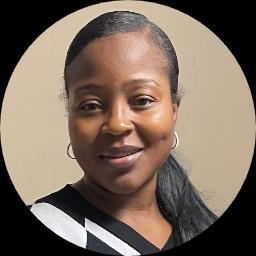
South Carolina · 15 yrs exp
Works with Addictions / Family / Trauma and abuse +15
Works by Client-Centered Therapy / Cognitive Behavioral Therapy (CBT)
View Profile
South Carolina · 10 yrs exp
Works with Stress, Anxiety / Addictions / LGBT +10
Works by Cognitive Behavioral Therapy (CBT)
View Profile
South Carolina · 8 yrs exp
Works with Stress, Anxiety / Depression / Addictions +14
Works by Attachment-Based Therapy / Client-Centered Therapy
View Profile
South Carolina · 4 yrs exp
Works with Stress, Anxiety / Trauma and abuse / Self esteem +7
Works by Acceptance and Commitment Therapy (ACT) / Client-Centered Therapy
View Profile
South Carolina · 16 yrs exp
Works with Stress, Anxiety / Addictions / Relationship +2
Works by Client-Centered Therapy / Cognitive Behavioral Therapy (CBT)
View Profile
South Carolina · 14 yrs exp
Works with Stress, Anxiety / Relationship / Self esteem +14
Works by Client-Centered Therapy / Cognitive Behavioral Therapy (CBT)
View Profile
South Carolina · 36 yrs exp
Works with Stress, Anxiety / Addictions / Relationship +17
Works by Client-Centered Therapy / Cognitive Behavioral Therapy (CBT)
View Profile
South Carolina · 7 yrs exp
Works with Stress, Anxiety / Addictions / Anger +2
Works by Acceptance and Commitment Therapy (ACT) / Client-Centered Therapy
View ProfileOnline therapy in South Carolina has become a common way to access professional mental health support from many parts of the state. If you live in a city, suburb or a rural county, licensed clinicians often offer sessions by video or telephone, which can help bridge geographic distance and scheduling challenges. Because licensing is state-based, therapists who provide services to people in South Carolina must hold the appropriate South Carolina license for their profession. That requirement applies even when appointments take place remotely, so the profiles you see here list clinicians who indicate state licensure.
Telehealth rules and reimbursement policies have evolved in recent years, and their details can vary by profession and payor. Those variations can affect things like permitted technologies, record-keeping practices and whether a particular insurer will reimburse for services. When you are exploring options you will likely encounter a range of session formats, including standard 45 to 60 minute appointments, shorter check-ins and longer initial assessments. Understanding the regulatory framework helps you know why license verification and clear communication about logistics matter when you begin working with a clinician.
Online therapy offers advantages that are especially relevant in a state with both population centers and extensive rural areas. You can connect from your home or another comfortable environment without a lengthy drive, which saves time and can reduce the stress of travel. For people who manage demanding work schedules, caregiving responsibilities or transportation constraints, remote sessions can make it easier to keep continuity in care. You may find a wider variety of clinicians and approaches through online listings than you would by limiting your search to a single town or neighborhood.
Another benefit is the ability to find clinicians who speak your preferred language or who list experience working with particular cultural communities. If you are seeking therapy that aligns with your identity or background, browsing profiles lets you filter for those matches. Remote care also supports continuity - if you relocate within the state for work or family reasons, you may be able to continue with the same clinician without interruption. As you weigh options, consider how technology, session structure and communication style will fit into your daily life so you can get the most from each appointment.
People pursue online therapy for many reasons, and clinicians who serve South Carolina residents work with a broad range of concerns. Anxiety and depression are frequent reasons for seeking help, but therapy is also used for managing stress, grieving losses, coping with relationship difficulties, navigating major life transitions, parenting challenges and workplace or academic pressures. Some people look for support with trauma-related symptoms or for guidance to improve communication in partnerships and families.
When evaluating profiles, you will notice clinicians list a variety of clinical approaches. For example, you may find therapists who list cognitive behavioral therapy among their approaches, those who list acceptance and commitment therapy, psychodynamic approaches or those who list EMDR among their approaches. Listing an approach indicates that the clinician uses that style in their work, not necessarily that a specific certification was completed. Thinking about the kinds of strategies and conversation styles that help you - symptom-focused tools, insight-oriented reflection, skills for emotion regulation or trauma processing - can guide which clinicians you want to learn more about.
Verifying a clinician's license is an important step when you are choosing an online therapist. Start by locating the license information on the clinician's profile, which often includes the license type and number and the credential initials such as LPC, LCSW, LMFT, PsyD or PhD. With that information in hand, visit the appropriate South Carolina licensing board website for counselors, social workers, marriage and family therapists or psychologists. Most state board websites offer an online license lookup tool where you can search by name or license number.
The lookup tool will typically show the license status, issue and expiration dates and a record of any disciplinary actions or sanctions. If a listing is unclear or you cannot find the record online, you can call or email the board for assistance. Remember that license titles differ across professions and that scopes of practice are set by law, so confirming the license and any public board actions gives you a clearer picture of the clinician's standing within South Carolina. If you plan to use insurance, your insurer may also verify licensure before processing claims, and asking about reimbursement policies is a sensible early step.
When you decide to reach out to a clinician, start by reviewing profile details about their focus areas, listed approaches, credentials and languages. Prepare a brief message or intake inquiry that explains what brings you to therapy, what goals you have and any questions about session structure, fees or insurance. Many clinicians will invite you to complete intake paperwork, provide informed consent and review privacy and communication policies before your first meeting. You should find out how appointments are conducted - by video, phone or a hybrid - and what to expect during your initial session.
Selecting the right therapist is personal. Think about whether you want someone who works primarily with adults, adolescents or couples, and whether demographic or cultural concordance matters to you. Compare clinicians by focus areas and by the approaches they list, keeping in mind that an approach is one aspect of how a clinician may work. Consider practical factors like session length, typical fees and whether the clinician lists experience with issues similar to yours. It can help to prioritize three to five qualities that matter most to you - such as approach, communication style, language match or a clinician's experience with a particular life stage - and then use those priorities to narrow your options.
Trust your first impressions when you speak with a clinician; feeling heard and respected during an initial conversation is a good indicator of fit. If you are unsure, it is appropriate to ask a clinician about how they typically structure their work, how they measure progress and how they adapt their approach when needed. You may also want to ask about logistical details such as session cancellation policies, crisis planning and how to handle technical issues. Taking a thoughtful, informed approach to choosing a clinician increases the chance that you will find a working relationship that supports your goals.
Online therapy in South Carolina opens access to a wide range of licensed clinicians and therapeutic approaches. By verifying licensure, clarifying practical details upfront and reflecting on what matters most in a therapeutic relationship, you can make a confident choice about who to contact and how to begin receiving support.
Addictions
2832 therapists
ADHD
2594 therapists
Anger
3243 therapists
Bipolar
2460 therapists
Chronic Illness
1986 therapists
Chronic Pain
1986 therapists
Compulsion
3196 therapists
Control Issues
3242 therapists
Depression
4153 therapists
Disaster Relief Therapy
2093 therapists
Dissociation
1844 therapists
Domestic Violence
2496 therapists
Eating Disorders
1776 therapists
Gambling
1952 therapists
Grief
3466 therapists
Guilt and Shame
3844 therapists
Impulsivity
2895 therapists
Intimacy Issues
2599 therapists
Isolation / Loneliness
3749 therapists
Midlife Crisis
2921 therapists
Mood Disorders
3398 therapists
Obsession
3196 therapists
OCD
3196 therapists
Panic Disorder and Panic Attacks
3732 therapists
Phobias
4454 therapists
Post-Traumatic Stress
3578 therapists
Postpartum Depression
2172 therapists
Seasonal Affective Disorder (SAD)
2789 therapists
Self Esteem
3949 therapists
Self-Harm
2785 therapists
Sexual Trauma
2483 therapists
Sleeping Disorders
1992 therapists
Social Anxiety and Phobia
4090 therapists
Stress & Anxiety
4352 therapists
Trauma and Abuse
3831 therapists
Abandonment
3158 therapists
Adoption
1535 therapists
Aging and Geriatric Issues
2095 therapists
Attachment Issues
3186 therapists
Blended Family Issues
2468 therapists
Body Image
2667 therapists
Career
2768 therapists
Caregiver Issues and Stress
2875 therapists
Codependency
2973 therapists
Commitment Issues
2795 therapists
Communication Problems
3745 therapists
Compassion Fatigue
2468 therapists
Coping with Life Changes
3661 therapists
Divorce
3191 therapists
Family
3341 therapists
Family of Origin Issues
2361 therapists
Fatherhood Issues
1950 therapists
Fertility Issues
1210 therapists
First Responder Issues
1687 therapists
Forgiveness
3517 therapists
Foster Care
1535 therapists
Hospice and End-of-Life Counseling
1495 therapists
Infidelity
2612 therapists
Jealousy
2868 therapists
Life Purpose
3693 therapists
Money and Financial Issues
2170 therapists
Parenting
2905 therapists
Pregnancy
1599 therapists
Relationship
3765 therapists
Self-Love
3585 therapists
Separation
3191 therapists
Sexuality
2072 therapists
Workplace Issues
3258 therapists