
Velma Jones, LCSW
New York · 29 yrs exp
Works with Stress, Anxiety / Relationship / Trauma and abuse +11
Works by Attachment-Based Therapy / Client-Centered Therapy
View ProfileThis page lists therapists who indicate disaster relief therapy among their approaches. Below you can browse profiles to compare focus areas, credentials, languages, and therapeutic styles.
Use the directory to learn more about clinicians who work with people affected by natural disasters, accidents, community violence, and other crises.
New York · 29 yrs exp
Works with Stress, Anxiety / Relationship / Trauma and abuse +11
Works by Attachment-Based Therapy / Client-Centered Therapy
View Profile
North Carolina · 25 yrs exp
Works with Stress, Anxiety / Relationship / Family +16
Works by Attachment-Based Therapy / Client-Centered Therapy
View Profile
Texas · 13 yrs exp
Works with Stress, Anxiety / Relationship / Trauma and abuse +12
Works by Attachment-Based Therapy / Client-Centered Therapy
View Profile
Florida · 20 yrs exp · 2 languages
Works with Stress, Anxiety / Addictions / Relationship +17
Works by Acceptance and Commitment Therapy (ACT) / Attachment-Based Therapy
View Profile
Oregon · 26 yrs exp
Works with Stress, Anxiety / Trauma and abuse / Grief +11
Works by Acceptance and Commitment Therapy (ACT) / Attachment-Based Therapy
View Profile
Louisiana · 7 yrs exp
Works with Stress, Anxiety / Family / Trauma and abuse +16
Works by Acceptance and Commitment Therapy (ACT) / Attachment-Based Therapy
View Profile
Maryland · 6 yrs exp
Works with Stress, Anxiety / Trauma and abuse / Self esteem +11
Works by Attachment-Based Therapy / Client-Centered Therapy
View Profile
North Carolina · 10 yrs exp
Works with Stress, Anxiety / Relationship / Family +17
Works by Acceptance and Commitment Therapy (ACT) / Client-Centered Therapy
View Profile
Ohio · 18 yrs exp
Works with Stress, Anxiety / Trauma and abuse / Grief +12
Works by Acceptance and Commitment Therapy (ACT) / Client-Centered Therapy
View Profile
Illinois · 10 yrs exp
Works with Stress, Anxiety / LGBT / Relationship +11
Works by Client-Centered Therapy / Emotionally-Focused Therapy (EFT)
View Profile
Colorado · 11 yrs exp
Works with Stress, Anxiety / LGBT / Trauma and abuse +16
Works by Acceptance and Commitment Therapy (ACT) / Client-Centered Therapy
View Profile
Texas · 22 yrs exp
Works with Stress, Anxiety / Relationship / Trauma and abuse +17
Works by Acceptance and Commitment Therapy (ACT) / Attachment-Based Therapy
View Profile
Illinois · 12 yrs exp
Works with Stress, Anxiety / Trauma and abuse / Parenting +13
Works by Client-Centered Therapy / Cognitive Behavioral Therapy (CBT)
View Profile
Indiana · 8 yrs exp
Works with Stress, Anxiety / Addictions / Family +16
Works by Acceptance and Commitment Therapy (ACT) / Attachment-Based Therapy
View Profile
Florida · 32 yrs exp
Works with Stress, Anxiety / Addictions / Relationship +14
Works by Attachment-Based Therapy / Client-Centered Therapy
View Profile
Florida · 20 yrs exp
Works with Addictions / Relationship / Trauma and abuse +15
Works by Acceptance and Commitment Therapy (ACT) / Attachment-Based Therapy
View Profile
Virginia · 31 yrs exp
Works with Stress, Anxiety / Relationship / Family +13
Works by Attachment-Based Therapy / Client-Centered Therapy
View Profile
Florida · 17 yrs exp
Works with Stress, Anxiety / Trauma and abuse / Eating +15
Works by Acceptance and Commitment Therapy (ACT) / Client-Centered Therapy
View Profile
Mississippi · 25 yrs exp
Works with Stress, Anxiety / Relationship / Family +16
Works by Acceptance and Commitment Therapy (ACT) / Client-Centered Therapy
View Profile
Louisiana · 10 yrs exp
Works with Stress, Anxiety / Trauma and abuse / Anger +13
Works by Attachment-Based Therapy / Client-Centered Therapy
View Profile
Ohio · 17 yrs exp
Works with Stress, Anxiety / Family / Parenting +13
Works by Attachment-Based Therapy / Client-Centered Therapy
View Profile
Arkansas · 44 yrs exp
Works with Stress, Anxiety / Trauma and abuse / Grief +17
Works by Acceptance and Commitment Therapy (ACT) / Client-Centered Therapy
View Profile
Michigan · 31 yrs exp
Works with Stress, Anxiety / Family / Trauma and abuse +17
Works by Attachment-Based Therapy / Client-Centered Therapy
View Profile
Texas · 11 yrs exp · 2 languages
Works with Stress, Anxiety / Anger / Self esteem +9
Works by Acceptance and Commitment Therapy (ACT) / Client-Centered Therapy
View Profile
New York · 25 yrs exp · 2 languages
Works with Stress, Anxiety / Grief / Anger +7
Works by Client-Centered Therapy / Cognitive Behavioral Therapy (CBT)
View Profile
Texas · 26 yrs exp
Works with Stress, Anxiety / Relationship / Trauma and abuse +12
Works by Client-Centered Therapy / Cognitive Behavioral Therapy (CBT)
View Profile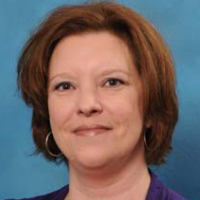
Michigan · 13 yrs exp
Works with Stress, Anxiety / Addictions / Trauma and abuse +17
Works by Acceptance and Commitment Therapy (ACT) / Client-Centered Therapy
View Profile
Florida · 20 yrs exp
Works with Stress, Anxiety / Relationship / Grief +2
Works by Acceptance and Commitment Therapy (ACT) / Attachment-Based Therapy
View Profile
Michigan · 20 yrs exp
Works with Stress, Anxiety / Addictions / Trauma and abuse +11
Works by Acceptance and Commitment Therapy (ACT) / Client-Centered Therapy
View Profile
Texas · 18 yrs exp
Works with Stress, Anxiety / Addictions / LGBT +15
Works by Attachment-Based Therapy / Client-Centered Therapy
View Profile
South Carolina · 20 yrs exp
Works with Stress, Anxiety / Relationship / Trauma and abuse +12
Works by Client-Centered Therapy / Cognitive Behavioral Therapy (CBT)
View Profile
Virginia · 25 yrs exp
Works with Stress, Anxiety / Family / Trauma and abuse +13
Works by Client-Centered Therapy / Cognitive Behavioral Therapy (CBT)
View Profile
New York · 25 yrs exp
Works with Stress, Anxiety / Relationship / Family +16
Works by Acceptance and Commitment Therapy (ACT) / Client-Centered Therapy
View Profile
Kentucky · 15 yrs exp
Works with Stress, Anxiety / Relationship / Parenting +14
Works by Acceptance and Commitment Therapy (ACT) / Attachment-Based Therapy
View Profile
Oklahoma · 9 yrs exp
Works with Stress, Anxiety / Anger / Self esteem +17
Works by Acceptance and Commitment Therapy (ACT) / Attachment-Based Therapy
View Profile
Florida · 19 yrs exp
Works with Stress, Anxiety / Trauma and abuse / Grief +10
Works by Client-Centered Therapy / Cognitive Behavioral Therapy (CBT)
View Profile
Texas · 39 yrs exp
Works with Stress, Anxiety / Relationship / Trauma and abuse +12
Works by Acceptance and Commitment Therapy (ACT) / Attachment-Based Therapy
View Profile
South Carolina · 15 yrs exp
Works with Stress, Anxiety / Trauma and abuse / Anger +14
Works by Acceptance and Commitment Therapy (ACT) / Attachment-Based Therapy
View Profile
Texas · 15 yrs exp
Works with Stress, Anxiety / Addictions / LGBT +12
Works by Acceptance and Commitment Therapy (ACT) / Attachment-Based Therapy
View Profile
Missouri · 17 yrs exp
Works with Family / Anger / Depression +15
Works by Client-Centered Therapy / Cognitive Behavioral Therapy (CBT)
View Profile
Texas · 12 yrs exp
Works with Stress, Anxiety / Addictions / Relationship +15
Works by Acceptance and Commitment Therapy (ACT) / Attachment-Based Therapy
View Profile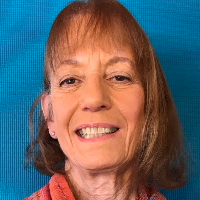
Colorado · 15 yrs exp
Works with Stress, Anxiety / Addictions / Trauma and abuse +7
Works by Client-Centered Therapy / Cognitive Behavioral Therapy (CBT)
View Profile
Illinois · 30 yrs exp
Works with Stress, Anxiety / Relationship / Family +13
Works by Acceptance and Commitment Therapy (ACT) / Attachment-Based Therapy
View Profile
Mississippi · 26 yrs exp
Works with Stress, Anxiety / Relationship / Family +11
Works by Client-Centered Therapy / Cognitive Behavioral Therapy (CBT)
View Profile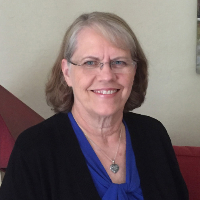
Texas · 8 yrs exp
Works with Stress, Anxiety / Sleeping / Self esteem +7
Works by Client-Centered Therapy / Cognitive Behavioral Therapy (CBT)
View Profile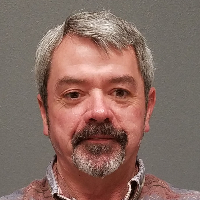
Wyoming · 26 yrs exp
Works with Stress, Anxiety / Trauma and abuse / Anger +11
Works by Client-Centered Therapy / Cognitive Behavioral Therapy (CBT)
View Profile
Michigan · 40 yrs exp
Works with Stress, Anxiety / Family / Grief +17
Works by Acceptance and Commitment Therapy (ACT) / Client-Centered Therapy
View Profile
North Carolina · 5 yrs exp
Works with Stress, Anxiety / Family / Trauma and abuse +16
Works by Attachment-Based Therapy / Client-Centered Therapy
View ProfileDisaster relief therapy refers to counseling and supportive interventions aimed at helping people cope after a disruptive or traumatic event. These events can include natural disasters such as hurricanes, floods, wildfires, and earthquakes; human-made incidents like industrial accidents or community violence; or sudden losses that leave daily life rearranged. The work commonly focuses on stabilizing immediate distress, reducing symptoms that interfere with daily functioning, and helping people rebuild routines and relationships that contribute to recovery.
After a disaster you may notice your thinking, feelings, and behavior shifting in ways that feel unfamiliar. You might find yourself revisiting images or memories of the event, feeling jumpy or on edge, struggling to sleep, or trying to avoid reminders that bring back strong emotions. Relationships can be affected as you and the people around you respond differently to stress, and practical challenges such as housing, employment, or access to medical care can add ongoing strain. Disaster relief therapy aims to address both the emotional aftermath and the everyday practicalities that influence how well you adapt over time.
Deciding when to seek support can feel unclear after a crisis. You may benefit from disaster-focused therapy if intense reactions last longer than you expect, interfere with your ability to work, care for family, or manage daily tasks, or if they increasingly dominate your thoughts and behaviors. Other signs include frequent nightmares or intrusive memories that come without warning, persistent avoidance of places or activities that remind you of the event, or strong emotional numbing that leaves you feeling disconnected from people you care about.
Physical symptoms can also point to a need for help. Ongoing headaches, digestive issues, elevated heart rate, or trouble sleeping that start after a disaster and do not ease may be linked to stress responses. You might notice that coping strategies you once relied on are no longer helpful, or that you are using substances more often to manage feelings. If you find yourself having difficulty thinking clearly, making decisions, or staying present, a therapist with experience in disaster-related work can help you develop strategies to reduce distress and restore functioning.
When you begin disaster relief therapy, a typical early phase includes an assessment of your current situation and needs. Your therapist will likely ask about the event, your reactions since then, your current supports, and any practical barriers you face. This assessment helps shape a plan that prioritizes immediate safety and symptom relief while also addressing longer-term goals such as returning to work, rebuilding social connections, or processing what happened in a way that reduces its hold on your life.
Early sessions often focus on stabilization and coping skills. You might practice grounding techniques to manage moments of overwhelming emotion, learn breathing or relaxation strategies to reduce physiological arousal, and develop a stepwise plan for confronting practical stressors. As you progress, therapy may include opportunities to process memories and meanings tied to the event, explore how the experience altered your beliefs about yourself and the world, and strengthen problem-solving and interpersonal skills. The pace of this work is collaborative - you and your therapist will determine when to focus on safety and symptom management and when to address deeper processing or rebuilding.
Part of initial care often involves planning for immediate needs. Your therapist can help identify supportive people, community services, and practical resources that reduce daily stress. When additional services are needed - for legal, medical, or housing support - a therapist can help you navigate referrals and coordinate with other providers so your recovery plan addresses both emotional and practical demands.
Therapists use a range of approaches when working with people after disasters, and many combine techniques to meet individual needs. You will find clinicians who list cognitive-behavioral strategies among their approaches; these methods focus on identifying and changing patterns of thinking and behavior that maintain distress, practicing coping skills, and gradually facing avoided situations. Exposure-oriented techniques are sometimes used carefully to help reduce the power of intrusive memories or avoidance, with an emphasis on pacing and safety.
There are therapists who list trauma-focused modalities among their approaches. These methods often include structured ways of processing memories and modifying beliefs that emerged from the event. Therapists may also offer narrative work that helps you make sense of what happened in a way that integrates the experience into your life story without it defining you. Somatic approaches that attend to body-based responses can support regulation when emotions are felt physically, and mindfulness-based strategies help you cultivate presence and reduce reactivity to stressful triggers.
Because disaster-related stress often intersects with grief, loss, and community-wide disruption, many clinicians include relational and family-focused perspectives to support shared recovery. You may also find therapists who list community and culturally informed approaches among their methods; these approaches consider how cultural values, community norms, and systemic factors shape how you experienced the disaster and what will help you heal.
Online therapy can be a practical option when physical access to in-person services is limited, when you are displaced, or when you prefer remote options for convenience or comfort. Sessions typically occur by video, phone, or text-based messaging systems that use encryption and other protections for transmitted information. Remote work can include many of the same components as in-person care - assessment, stabilization, skills training, and processing - and it allows you to meet with clinicians who list disaster-focused experience even if they are not located in your immediate area.
Choosing a therapist for disaster relief work involves paying attention to several practical and clinical considerations. Look at each profile to see whether the clinician lists disaster relief, trauma, grief, or crisis work among their focus areas and which approaches they mention using. Note the credentials they list and whether they describe experience with populations similar to yours - for example first responders, families, or communities affected by specific disaster types. Language and cultural familiarity can matter a great deal in disaster contexts, so consider clinicians who list languages and cultural orientations that align with your needs.
When you reach out to a therapist, you can ask about their typical way of working with disaster-related concerns, how they integrate practical supports with emotional work, and what a typical course of sessions looks like for someone with your situation. You can also inquire about session formats they offer, including whether they provide video, phone, or messaging options, and how they coordinate with community services if needed. Cost, insurance, and scheduling logistics are important practical factors to clarify, along with any preferences you have for pacing or areas of focus.
Finding the right fit can take time. It is reasonable to look across several profiles, compare focus areas and approaches, and choose someone whose background and style align with how you want to work. Over time you will get a sense of whether a clinician’s approach helps you feel more grounded, able to manage symptoms, and better equipped to rebuild daily life after a disaster.
Alabama
44 therapists
Alaska
6 therapists
Arizona
45 therapists
Arkansas
19 therapists
Australia
125 therapists
California
219 therapists
Colorado
66 therapists
Connecticut
19 therapists
Delaware
7 therapists
District of Columbia
2 therapists
Florida
404 therapists
Georgia
85 therapists
Hawaii
13 therapists
Idaho
24 therapists
Illinois
99 therapists
Indiana
60 therapists
Iowa
22 therapists
Kansas
30 therapists
Kentucky
47 therapists
Louisiana
68 therapists
Maine
14 therapists
Maryland
35 therapists
Massachusetts
36 therapists
Michigan
128 therapists
Minnesota
37 therapists
Mississippi
31 therapists
Missouri
84 therapists
Montana
20 therapists
Nebraska
24 therapists
Nevada
17 therapists
New Hampshire
13 therapists
New Jersey
85 therapists
New Mexico
15 therapists
New York
155 therapists
North Carolina
130 therapists
North Dakota
4 therapists
Ohio
84 therapists
Oklahoma
53 therapists
Oregon
22 therapists
Pennsylvania
120 therapists
Rhode Island
7 therapists
South Carolina
52 therapists
South Dakota
10 therapists
Tennessee
58 therapists
Texas
332 therapists
United Kingdom
1261 therapists
Utah
38 therapists
Vermont
8 therapists
Virginia
53 therapists
Washington
40 therapists
West Virginia
18 therapists
Wisconsin
59 therapists
Wyoming
13 therapists