
Velma Jones, LCSW
New York · 29 yrs exp
Works with Stress, Anxiety / Relationship / Trauma and abuse +11
Works by Attachment-Based Therapy / Client-Centered Therapy
View ProfileBrowse profiles of therapists who focus on stress and anxiety to explore approaches, credentials, languages, and experience. Use the listings below to review practitioner profiles and begin narrowing your options.
New York · 29 yrs exp
Works with Stress, Anxiety / Relationship / Trauma and abuse +11
Works by Attachment-Based Therapy / Client-Centered Therapy
View Profile
North Carolina · 25 yrs exp
Works with Stress, Anxiety / Relationship / Family +16
Works by Attachment-Based Therapy / Client-Centered Therapy
View Profile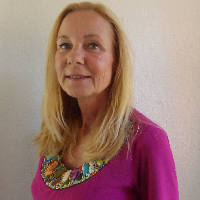
North Carolina · 30 yrs exp · 2 languages
Works with Relationship / Parenting / Anger +6
Works by Cognitive Behavioral Therapy (CBT) / Mindfulness Therapy
View Profile
California · 14 yrs exp
Works with Stress, Anxiety / Relationship / Family +10
Works by Attachment-Based Therapy / Client-Centered Therapy
View Profile
Texas · 13 yrs exp
Works with Stress, Anxiety / Relationship / Trauma and abuse +12
Works by Attachment-Based Therapy / Client-Centered Therapy
View Profile
Florida · 20 yrs exp · 2 languages
Works with Stress, Anxiety / Addictions / Relationship +17
Works by Acceptance and Commitment Therapy (ACT) / Attachment-Based Therapy
View Profile
Oregon · 26 yrs exp
Works with Stress, Anxiety / Trauma and abuse / Grief +11
Works by Acceptance and Commitment Therapy (ACT) / Attachment-Based Therapy
View Profile
Louisiana · 7 yrs exp
Works with Stress, Anxiety / Family / Trauma and abuse +16
Works by Acceptance and Commitment Therapy (ACT) / Attachment-Based Therapy
View Profile
Maryland · 6 yrs exp
Works with Stress, Anxiety / Trauma and abuse / Self esteem +11
Works by Attachment-Based Therapy / Client-Centered Therapy
View Profile
Florida · 23 yrs exp
Works with Stress, Anxiety / Addictions / Self esteem +11
Works by Client-Centered Therapy / Cognitive Behavioral Therapy (CBT)
View Profile
Michigan · 5 yrs exp
Works with Stress, Anxiety / Relationship / Family +13
Works by Acceptance and Commitment Therapy (ACT) / Cognitive Behavioral Therapy (CBT)
View Profile
North Carolina · 10 yrs exp
Works with Stress, Anxiety / Relationship / Family +17
Works by Acceptance and Commitment Therapy (ACT) / Client-Centered Therapy
View Profile
Ohio · 18 yrs exp
Works with Stress, Anxiety / Trauma and abuse / Grief +12
Works by Acceptance and Commitment Therapy (ACT) / Client-Centered Therapy
View Profile
Illinois · 10 yrs exp
Works with Stress, Anxiety / LGBT / Relationship +11
Works by Client-Centered Therapy / Emotionally-Focused Therapy (EFT)
View Profile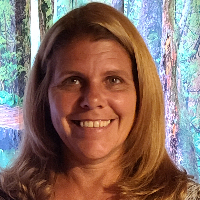
South Carolina · 10 yrs exp
Works with Stress, Anxiety / Relationship / Family +2
Works by Client-Centered Therapy / Cognitive Behavioral Therapy (CBT)
View Profile
Colorado · 11 yrs exp
Works with Stress, Anxiety / LGBT / Trauma and abuse +16
Works by Acceptance and Commitment Therapy (ACT) / Client-Centered Therapy
View Profile
Florida · 15 yrs exp
Works with Stress, Anxiety / Addictions / Trauma and abuse +15
Works by Acceptance and Commitment Therapy (ACT) / Client-Centered Therapy
View Profile
Michigan · 21 yrs exp
Works with Stress, Anxiety / Relationship / Family +15
Works by Acceptance and Commitment Therapy (ACT) / Attachment-Based Therapy
View Profile
Texas · 22 yrs exp
Works with Stress, Anxiety / Relationship / Trauma and abuse +17
Works by Acceptance and Commitment Therapy (ACT) / Attachment-Based Therapy
View Profile
Illinois · 12 yrs exp
Works with Stress, Anxiety / Trauma and abuse / Parenting +13
Works by Client-Centered Therapy / Cognitive Behavioral Therapy (CBT)
View Profile
Massachusetts · 25 yrs exp
Works with Stress, Anxiety / Relationship / Family +15
Works by Attachment-Based Therapy / Client-Centered Therapy
View Profile
Texas · 25 yrs exp
Works with Stress, Anxiety / Family / Intimacy-related issues +16
Works by Attachment-Based Therapy / Client-Centered Therapy
View Profile
Florida · 30 yrs exp
Works with Stress, Anxiety / Grief / Anger +16
Works by Cognitive Behavioral Therapy (CBT) / Solution-Focused Therapy
View Profile
Indiana · 8 yrs exp
Works with Stress, Anxiety / Addictions / Family +16
Works by Acceptance and Commitment Therapy (ACT) / Attachment-Based Therapy
View Profile
Florida · 32 yrs exp
Works with Stress, Anxiety / Addictions / Relationship +14
Works by Attachment-Based Therapy / Client-Centered Therapy
View Profile
Florida · 20 yrs exp
Works with Addictions / Relationship / Trauma and abuse +15
Works by Acceptance and Commitment Therapy (ACT) / Attachment-Based Therapy
View Profile
Virginia · 31 yrs exp
Works with Stress, Anxiety / Relationship / Family +13
Works by Attachment-Based Therapy / Client-Centered Therapy
View Profile
Florida · 17 yrs exp
Works with Stress, Anxiety / Trauma and abuse / Eating +15
Works by Acceptance and Commitment Therapy (ACT) / Client-Centered Therapy
View Profile
Mississippi · 25 yrs exp
Works with Stress, Anxiety / Relationship / Family +16
Works by Acceptance and Commitment Therapy (ACT) / Client-Centered Therapy
View Profile
Georgia · 25 yrs exp
Works with Stress, Anxiety / Parenting / Anger +16
Works by Attachment-Based Therapy / Client-Centered Therapy
View Profile
Florida · 14 yrs exp
Works with Stress, Anxiety / Trauma and abuse / Grief +14
Works by Cognitive Behavioral Therapy (CBT) / Dialectical Behavior Therapy (DBT)
View Profile
Texas · 18 yrs exp
Works with Stress, Anxiety / Relationship / Family +10
Works by Cognitive Behavioral Therapy (CBT) / Mindfulness Therapy
View Profile
Florida · 24 yrs exp
Works with Stress, Anxiety / Addictions / Grief +15
Works by Acceptance and Commitment Therapy (ACT) / Client-Centered Therapy
View Profile
Illinois · 20 yrs exp
Works with Stress, Anxiety / Grief / Self esteem +12
Works by Client-Centered Therapy / Cognitive Behavioral Therapy (CBT)
View Profile
Hawaii · 3 yrs exp
Works with Stress, Anxiety / Addictions / Relationship +2
Works by Client-Centered Therapy / Cognitive Behavioral Therapy (CBT)
View Profile
Louisiana · 10 yrs exp
Works with Stress, Anxiety / Trauma and abuse / Anger +13
Works by Attachment-Based Therapy / Client-Centered Therapy
View Profile
Alaska · 11 yrs exp
Works with Stress, Anxiety / Relationship / Family +10
Works by Client-Centered Therapy / Cognitive Behavioral Therapy (CBT)
View Profile
Ohio · 17 yrs exp
Works with Stress, Anxiety / Family / Parenting +13
Works by Attachment-Based Therapy / Client-Centered Therapy
View Profile
California · 38 yrs exp
Works with Stress, Anxiety / Addictions / Relationship +2
View Profile
Arkansas · 44 yrs exp
Works with Stress, Anxiety / Trauma and abuse / Grief +17
Works by Acceptance and Commitment Therapy (ACT) / Client-Centered Therapy
View Profile
Michigan · 31 yrs exp
Works with Stress, Anxiety / Family / Trauma and abuse +17
Works by Attachment-Based Therapy / Client-Centered Therapy
View Profile
Florida · 33 yrs exp
Works with Stress, Anxiety / LGBT / Relationship +9
Works by Client-Centered Therapy / Cognitive Behavioral Therapy (CBT)
View Profile
North Carolina · 16 yrs exp
Works with Stress, Anxiety / Addictions / Trauma and abuse +14
Works by Acceptance and Commitment Therapy (ACT) / Client-Centered Therapy
View Profile
Kansas · 17 yrs exp
Works with Stress, Anxiety / Relationship / Family +11
Works by Attachment-Based Therapy / Client-Centered Therapy
View Profile
New York · 18 yrs exp · 3 languages
Works with Stress, Anxiety / Relationship / Parenting +2
View Profile
Missouri · 17 yrs exp
Works with Stress, Anxiety / Addictions / Relationship +10
Works by Attachment-Based Therapy / Client-Centered Therapy
View Profile
Texas · 11 yrs exp · 2 languages
Works with Stress, Anxiety / Anger / Self esteem +9
Works by Acceptance and Commitment Therapy (ACT) / Client-Centered Therapy
View Profile
Wyoming · 14 yrs exp
Works with Addictions / Relationship / Depression +12
Works by Client-Centered Therapy / Cognitive Behavioral Therapy (CBT)
View ProfileStress and anxiety are common human experiences that range from short-term responses to long-standing patterns that affect daily life. Stress typically emerges when you face demands or pressures that feel greater than your coping resources, whether at work, in relationships, or during life changes. Anxiety often involves persistent worry, heightened alertness, and physical sensations such as tension, restlessness, or altered sleep and appetite. These experiences can be occasional and situational, or they can recur in ways that interfere with how you function.
While anxiety can sharpen your focus in the short term, persistent or excessive anxiety often shifts from being helpful to being burdensome. You might notice it affects decision-making, energy levels, social interactions, and your ability to enjoy activities you used to like. Stress and anxiety can show up differently for different people - some notice racing thoughts, others feel fatigue or digestive changes, and some experience heightened irritability. Understanding your particular pattern is an important first step in getting the kind of support that fits your needs.
You might consider seeking a therapist when stress or anxiety begins to affect the areas of life you care about. If worry or tension is making it harder to concentrate at work, disrupting your sleep, or straining relationships, those are clear signals that additional support could help. You may find that coping strategies you once relied on are less effective, or that avoidance behaviors - such as skipping social events or tasks that provoke anxiety - are becoming more frequent.
Other signs include persistent physical symptoms like muscle tension, headaches, or frequent stomach upset that do not resolve with typical self-care, or experiencing panic-like episodes that leave you shaken. If you feel stuck in a cycle of worry, have recurring negative thoughts about yourself or the future, or notice a growing gap between what you want to do and what you actually do because of fear, therapy can offer structure and tools to change those patterns. Therapy is also a place to explore what triggers your anxiety and to build coping strategies tailored to your life.
In early sessions you can expect a therapist to ask questions about your current symptoms, history, and goals for treatment. This assessment helps both of you form a shared understanding of what you are facing and what progress might look like. Sessions often include time for you to describe recent experiences, and for the therapist to reflect observations or suggest small experiments you can try between sessions. Therapy is usually collaborative - you and the therapist work together to identify priorities and to choose approaches that match your preferences.
Many people find that therapy combines emotional exploration with practical skills training. You may practice techniques for managing anxiety in the moment, such as breathing or grounding methods, and you may also learn ways to identify and reframe unhelpful thought patterns. Homework or practice outside sessions is common because applying new skills in real life is how change usually happens. Over time you and your therapist can track patterns, adjust strategies, and set progressively challenging goals so you can notice measurable shifts in how you respond to stressors.
Therapists use a range of approaches to work with stress and anxiety, and descriptions in profiles can help you find practitioners whose methods resonate with you. Therapists who list cognitive behavioral therapy or CBT among their approaches often emphasize the link between thoughts, feelings, and behaviors, and they may offer structured exercises to test and modify unhelpful thinking patterns. Therapists who list acceptance and commitment therapy or ACT among their approaches focus on values, acceptance of difficult thoughts, and committed action that moves you toward a meaningful life despite anxiety.
Mindfulness-based approaches promote present-moment awareness and nonjudgmental observation of thoughts and sensations. Therapists who list mindfulness or mindfulness-based stress reduction among their approaches may guide practices that reduce reactivity and increase calm. Exposure-based methods are used when avoidance maintains anxiety - therapists who list exposure or exposure therapy among their approaches work with you to gradually face feared situations in a manageable way so that the anxiety decreases over time. Some profiles may note psychodynamic or relational approaches, which explore how past experiences and current relationship patterns influence anxiety. You may also see therapists who list EMDR among their approaches or who list internal family systems or IFS among their approaches; these approaches can be described as ways some therapists use to work with trauma, memory, or internal parts that contribute to anxiety responses. Reading about approaches can help you decide which language and methods feel most aligned with how you want to work.
Online therapy offers flexibility in how you connect with a therapist - sessions can take place over video, phone, or text-based messaging, depending on the practitioner and the tools they use. When you choose online care you can access therapists with particular experience or language skills without geographic limits, which can be helpful if you are looking for someone who understands your cultural background or specific life context. Before starting, consider basic logistics like session length, fees, payment options, and whether a therapist accepts insurance or offers sliding scale fees. These practical details are part of making therapy fit your life.
When reviewing profiles focus on a few core areas that matter to you. Look at the therapist's stated focus areas and the ways they describe working with stress and anxiety. Pay attention to listed approaches if you have preferences - for example, if you prefer practical skills you might be drawn to therapists who list CBT or ACT among their approaches, while if you are interested in exploring relationship patterns you might look for therapists who describe psychodynamic or relational work. Consider credentials and professional background to understand the kind of clinical perspective a therapist brings, and note languages spoken if that is important for you.
It can be helpful to read about experience working with age groups or life stages similar to yours, such as college students, new parents, or professionals in high-pressure roles. Many therapists describe how they structure early sessions, what they expect from clients, and how they measure progress - those details give you a sense of fit. If you are unsure, think about what feels most important for your comfort and growth: a collaborative, skills-focused approach; someone who emphasizes self-compassion and acceptance; or a therapist who centers trauma-informed care. Trusting your instincts about rapport matters, because a therapist you feel understood by is more likely to help you engage with the work. Taking time to compare profiles and read about approaches will help you identify practitioners whose methods and background align with your goals, so you can choose a path forward that feels right for you.
Alabama
44 therapists
Alaska
6 therapists
Arizona
45 therapists
Arkansas
19 therapists
Australia
125 therapists
California
219 therapists
Colorado
66 therapists
Connecticut
19 therapists
Delaware
7 therapists
District of Columbia
2 therapists
Florida
404 therapists
Georgia
85 therapists
Hawaii
13 therapists
Idaho
24 therapists
Illinois
99 therapists
Indiana
60 therapists
Iowa
22 therapists
Kansas
30 therapists
Kentucky
47 therapists
Louisiana
68 therapists
Maine
14 therapists
Maryland
35 therapists
Massachusetts
36 therapists
Michigan
128 therapists
Minnesota
37 therapists
Mississippi
31 therapists
Missouri
84 therapists
Montana
20 therapists
Nebraska
24 therapists
Nevada
17 therapists
New Hampshire
13 therapists
New Jersey
85 therapists
New Mexico
15 therapists
New York
155 therapists
North Carolina
130 therapists
North Dakota
4 therapists
Ohio
84 therapists
Oklahoma
53 therapists
Oregon
22 therapists
Pennsylvania
120 therapists
Rhode Island
7 therapists
South Carolina
52 therapists
South Dakota
10 therapists
Tennessee
58 therapists
Texas
332 therapists
United Kingdom
1261 therapists
Utah
38 therapists
Vermont
8 therapists
Virginia
53 therapists
Washington
40 therapists
West Virginia
18 therapists
Wisconsin
59 therapists
Wyoming
13 therapists