
Velma Jones, LCSW
New York · 29 yrs exp
Works with Stress, Anxiety / Relationship / Trauma and abuse +11
Works by Attachment-Based Therapy / Client-Centered Therapy
View ProfileThis page lists therapists who identify trauma and abuse as a specialty. You can explore profiles to see approaches, credentials, languages, and focus areas related to trauma work. Browse the listings below to learn more and find practitioners whose described methods and experience match what you need.
New York · 29 yrs exp
Works with Stress, Anxiety / Relationship / Trauma and abuse +11
Works by Attachment-Based Therapy / Client-Centered Therapy
View Profile
North Carolina · 25 yrs exp
Works with Stress, Anxiety / Relationship / Family +16
Works by Attachment-Based Therapy / Client-Centered Therapy
View Profile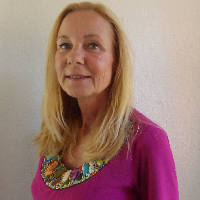
North Carolina · 30 yrs exp · 2 languages
Works with Relationship / Parenting / Anger +6
Works by Cognitive Behavioral Therapy (CBT) / Mindfulness Therapy
View Profile
California · 14 yrs exp
Works with Stress, Anxiety / Relationship / Family +10
Works by Attachment-Based Therapy / Client-Centered Therapy
View Profile
Texas · 13 yrs exp
Works with Stress, Anxiety / Relationship / Trauma and abuse +12
Works by Attachment-Based Therapy / Client-Centered Therapy
View Profile
Florida · 20 yrs exp · 2 languages
Works with Stress, Anxiety / Addictions / Relationship +17
Works by Acceptance and Commitment Therapy (ACT) / Attachment-Based Therapy
View Profile
Oregon · 26 yrs exp
Works with Stress, Anxiety / Trauma and abuse / Grief +11
Works by Acceptance and Commitment Therapy (ACT) / Attachment-Based Therapy
View Profile
Louisiana · 7 yrs exp
Works with Stress, Anxiety / Family / Trauma and abuse +16
Works by Acceptance and Commitment Therapy (ACT) / Attachment-Based Therapy
View Profile
Maryland · 6 yrs exp
Works with Stress, Anxiety / Trauma and abuse / Self esteem +11
Works by Attachment-Based Therapy / Client-Centered Therapy
View Profile
Florida · 23 yrs exp
Works with Stress, Anxiety / Addictions / Self esteem +11
Works by Client-Centered Therapy / Cognitive Behavioral Therapy (CBT)
View Profile
Michigan · 5 yrs exp
Works with Stress, Anxiety / Relationship / Family +13
Works by Acceptance and Commitment Therapy (ACT) / Cognitive Behavioral Therapy (CBT)
View Profile
North Carolina · 10 yrs exp
Works with Stress, Anxiety / Relationship / Family +17
Works by Acceptance and Commitment Therapy (ACT) / Client-Centered Therapy
View Profile
Ohio · 18 yrs exp
Works with Stress, Anxiety / Trauma and abuse / Grief +12
Works by Acceptance and Commitment Therapy (ACT) / Client-Centered Therapy
View Profile
Illinois · 10 yrs exp
Works with Stress, Anxiety / LGBT / Relationship +11
Works by Client-Centered Therapy / Emotionally-Focused Therapy (EFT)
View Profile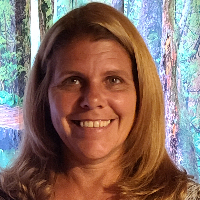
South Carolina · 10 yrs exp
Works with Stress, Anxiety / Relationship / Family +2
Works by Client-Centered Therapy / Cognitive Behavioral Therapy (CBT)
View Profile
Colorado · 11 yrs exp
Works with Stress, Anxiety / LGBT / Trauma and abuse +16
Works by Acceptance and Commitment Therapy (ACT) / Client-Centered Therapy
View Profile
Florida · 15 yrs exp
Works with Stress, Anxiety / Addictions / Trauma and abuse +15
Works by Acceptance and Commitment Therapy (ACT) / Client-Centered Therapy
View Profile
Michigan · 21 yrs exp
Works with Stress, Anxiety / Relationship / Family +15
Works by Acceptance and Commitment Therapy (ACT) / Attachment-Based Therapy
View Profile
Texas · 22 yrs exp
Works with Stress, Anxiety / Relationship / Trauma and abuse +17
Works by Acceptance and Commitment Therapy (ACT) / Attachment-Based Therapy
View Profile
Illinois · 12 yrs exp
Works with Stress, Anxiety / Trauma and abuse / Parenting +13
Works by Client-Centered Therapy / Cognitive Behavioral Therapy (CBT)
View Profile
Massachusetts · 25 yrs exp
Works with Stress, Anxiety / Relationship / Family +15
Works by Attachment-Based Therapy / Client-Centered Therapy
View Profile
Texas · 25 yrs exp
Works with Stress, Anxiety / Family / Intimacy-related issues +16
Works by Attachment-Based Therapy / Client-Centered Therapy
View Profile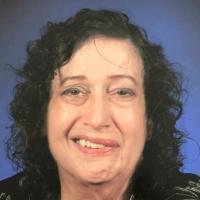
Florida · 30 yrs exp
Works with Stress, Anxiety / Grief / Anger +16
Works by Cognitive Behavioral Therapy (CBT) / Solution-Focused Therapy
View Profile
Indiana · 8 yrs exp
Works with Stress, Anxiety / Addictions / Family +16
Works by Acceptance and Commitment Therapy (ACT) / Attachment-Based Therapy
View Profile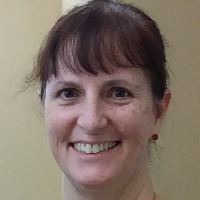
Florida · 32 yrs exp
Works with Stress, Anxiety / Addictions / Relationship +14
Works by Attachment-Based Therapy / Client-Centered Therapy
View Profile
Florida · 20 yrs exp
Works with Addictions / Relationship / Trauma and abuse +15
Works by Acceptance and Commitment Therapy (ACT) / Attachment-Based Therapy
View Profile
Virginia · 31 yrs exp
Works with Stress, Anxiety / Relationship / Family +13
Works by Attachment-Based Therapy / Client-Centered Therapy
View Profile
Florida · 17 yrs exp
Works with Stress, Anxiety / Trauma and abuse / Eating +15
Works by Acceptance and Commitment Therapy (ACT) / Client-Centered Therapy
View Profile
Mississippi · 25 yrs exp
Works with Stress, Anxiety / Relationship / Family +16
Works by Acceptance and Commitment Therapy (ACT) / Client-Centered Therapy
View Profile
Georgia · 25 yrs exp
Works with Stress, Anxiety / Parenting / Anger +16
Works by Attachment-Based Therapy / Client-Centered Therapy
View Profile
Florida · 14 yrs exp
Works with Stress, Anxiety / Trauma and abuse / Grief +14
Works by Cognitive Behavioral Therapy (CBT) / Dialectical Behavior Therapy (DBT)
View Profile
Texas · 18 yrs exp
Works with Stress, Anxiety / Relationship / Family +10
Works by Cognitive Behavioral Therapy (CBT) / Mindfulness Therapy
View Profile
Florida · 24 yrs exp
Works with Stress, Anxiety / Addictions / Grief +15
Works by Acceptance and Commitment Therapy (ACT) / Client-Centered Therapy
View Profile
Illinois · 20 yrs exp
Works with Stress, Anxiety / Grief / Self esteem +12
Works by Client-Centered Therapy / Cognitive Behavioral Therapy (CBT)
View Profile
Louisiana · 10 yrs exp
Works with Stress, Anxiety / Trauma and abuse / Anger +13
Works by Attachment-Based Therapy / Client-Centered Therapy
View Profile
Alaska · 11 yrs exp
Works with Stress, Anxiety / Relationship / Family +10
Works by Client-Centered Therapy / Cognitive Behavioral Therapy (CBT)
View Profile
Ohio · 17 yrs exp
Works with Stress, Anxiety / Family / Parenting +13
Works by Attachment-Based Therapy / Client-Centered Therapy
View Profile
Arkansas · 44 yrs exp
Works with Stress, Anxiety / Trauma and abuse / Grief +17
Works by Acceptance and Commitment Therapy (ACT) / Client-Centered Therapy
View Profile
Michigan · 31 yrs exp
Works with Stress, Anxiety / Family / Trauma and abuse +17
Works by Attachment-Based Therapy / Client-Centered Therapy
View Profile
North Carolina · 16 yrs exp
Works with Stress, Anxiety / Addictions / Trauma and abuse +14
Works by Acceptance and Commitment Therapy (ACT) / Client-Centered Therapy
View Profile
Kansas · 17 yrs exp
Works with Stress, Anxiety / Relationship / Family +11
Works by Attachment-Based Therapy / Client-Centered Therapy
View Profile
Missouri · 17 yrs exp
Works with Stress, Anxiety / Addictions / Relationship +10
Works by Attachment-Based Therapy / Client-Centered Therapy
View Profile
Wyoming · 14 yrs exp
Works with Addictions / Relationship / Depression +12
Works by Client-Centered Therapy / Cognitive Behavioral Therapy (CBT)
View Profile
Texas · 26 yrs exp
Works with Stress, Anxiety / Relationship / Trauma and abuse +12
Works by Client-Centered Therapy / Cognitive Behavioral Therapy (CBT)
View Profile
Michigan · 13 yrs exp
Works with Stress, Anxiety / Addictions / Trauma and abuse +17
Works by Acceptance and Commitment Therapy (ACT) / Client-Centered Therapy
View Profile
Texas · 20 yrs exp
Works with Stress, Anxiety / Relationship / Family +14
Works by Attachment-Based Therapy / Client-Centered Therapy
View Profile
Florida · 24 yrs exp
Works with Stress, Anxiety / Relationship / Family +12
Works by Client-Centered Therapy / Cognitive Behavioral Therapy (CBT)
View Profile
Michigan · 20 yrs exp
Works with Stress, Anxiety / Addictions / Trauma and abuse +11
Works by Acceptance and Commitment Therapy (ACT) / Client-Centered Therapy
View ProfileTrauma and abuse can take many forms - single events like accidents or assaults, ongoing experiences such as childhood neglect or domestic abuse, and indirect trauma like witnessing violence or repeated exposure to distressing events. The impact is not only emotional. Trauma can influence memory, concentration, sleep, relationships, and your sense of safety in daily life. People often describe feeling on edge, numb, or disconnected from their bodies and emotions. You might notice patterns such as suddenly avoiding certain places or situations, or feeling flooded by intense emotions that are hard to manage.
It is helpful to recognize that reactions to trauma are a human response to overwhelming experience rather than a sign of weakness. How you respond will depend on many factors - personal history, support systems, the nature and duration of the traumatic experience, and cultural context. That means two people who experience similar events may respond very differently. Therapy offers a space to make sense of what has happened, to develop skills for coping with distressing symptoms, and to work toward rebuilding a sense of agency and connection.
If you are wondering whether therapy could help, pay attention to patterns that interfere with how you want to live. You might find that intrusive memories or nightmares recur and disrupt sleep. Persistent anxiety, hypervigilance, or a chronic sense of threat are common. Some people notice intrusive thoughts or flashbacks that feel as if the event is happening again. Others cope by withdrawing from friends and family, using substances to numb feelings, or taking on self-blame and shame.
On a practical level, trauma can show up as difficulties at work or school, trouble concentrating, or changes in appetite and energy. You may struggle with trust, experience intense reactions in relationships, or feel emotionally flat and disconnected. If you find these patterns are lasting longer than you would like or are getting in the way of daily functioning and relationships, seeking help can provide you with tools and support to reduce distress and establish a safer routine for yourself.
When you begin trauma-focused therapy, practitioners typically aim to create a steady, paced process rather than rushing toward detailed recollection. Early sessions often focus on building a sense of stability - learning grounding skills, regulation techniques, and ways to manage distressing reactions. This stabilization phase helps you develop resources to stay present and handle upsetting memories when they arise. Later work may address memories, meanings, and patterns that have grown out of the traumatic experience, as you and your therapist identify goals that matter to you.
Therapists use a range of approaches for trauma and abuse, and many list multiple methods among their approaches. Some describe cognitive-behavioral techniques adapted for trauma that help you identify and shift unhelpful thoughts and to practice different behaviors. Others list therapies that focus on body awareness and movement to help you reconnect with physical sensations. You may find practitioners who list EMDR among their approaches, which involves bilateral stimulation paired with guided memory processing. Some therapists list internal family systems, narrative therapy, prolonged exposure, or trauma-focused cognitive-behavioral strategies. There are also approaches that emphasize psychoeducation, safety planning, and practical coping skills. Because listing an approach does not indicate specific credentials, you can review profiles to see how therapists describe their work and whether their stated methods align with what you feel might help.
Online therapy has become a common option for people seeking trauma-focused work. Sessions are typically conducted through video or audio, allowing you to participate from a comfortable environment instead of traveling to an office. Before beginning, think about where you will be during sessions - choosing a quiet, private space where you can speak freely and without interruption helps you get the most out of the work. You may find it easier to access therapists who list certain approaches or speak specific languages when you use online options.
Therapists practicing online often adapt their techniques to the virtual setting. They may provide digital worksheets, guided exercises, and audio practices to use between sessions. For some, the convenience of meeting from home reduces stress and increases consistency. For others, working online means creating intentional boundaries - letting household members know you cannot be disturbed during your appointment, using headphones for better focus, and planning a brief grounding routine before and after sessions. If you are dealing with high levels of distress or safety concerns, therapists can discuss appropriate emergency planning and local resources with you as part of the care conversation.
Finding the right therapist involves matching your needs with what therapists describe in their profiles. Start by looking at focus areas and approaches that resonate with you. Some people prioritize a therapist who lists a trauma-informed framework and works with survivors of specific types of abuse. Others place importance on cultural competency, gender identity, or experience with particular age groups. Language can also be an important factor - many listings show the languages therapists use in practice, which may help you feel more understood and seen.
Credentials and experience are relevant, but keep in mind that a profile listing an approach does not guarantee specialized certification. It can be useful to read how a therapist writes about their methods and to pay attention to whether their description addresses safety, pacing, and collaboration. Consider practical elements such as session format - in-person, video, or phone - and logistical concerns like cost and whether the therapist accepts insurance. Many people also seek someone whose communication style aligns with their preferences - whether you want a directive approach that teaches skills and homework, or a more exploratory, supportive stance that emphasizes listening and meaning-making.
When you reach out to a therapist, you can use initial contact to get a sense of how they describe their approach to trauma, how they think about the goals of therapy, and whether they emphasize coping strategies and stabilization early on. Trust your instincts about fit. The therapeutic relationship itself - feeling heard, respected, and understood - is one of the most important parts of effective trauma work. Over time you and your therapist can refine aims and methods so that the work aligns with your pace and priorities.
Deciding to seek help for trauma and abuse is a personal step and may feel daunting. You do not have to manage distress alone, and therapy can offer a range of ways to reduce symptoms, build coping skills, and reconnect with your values and relationships. Use the listings on this page to explore therapists who list trauma and abuse among their specialties, read how they describe their approaches, and consider practical factors that matter to you. Taking the first step often begins with a single message or call that lets you learn more and decide what feels right for your path forward.
Alabama
44 therapists
Alaska
6 therapists
Arizona
45 therapists
Arkansas
19 therapists
Australia
125 therapists
California
219 therapists
Colorado
66 therapists
Connecticut
19 therapists
Delaware
7 therapists
District of Columbia
2 therapists
Florida
404 therapists
Georgia
85 therapists
Hawaii
13 therapists
Idaho
24 therapists
Illinois
99 therapists
Indiana
60 therapists
Iowa
22 therapists
Kansas
30 therapists
Kentucky
47 therapists
Louisiana
68 therapists
Maine
14 therapists
Maryland
35 therapists
Massachusetts
36 therapists
Michigan
128 therapists
Minnesota
37 therapists
Mississippi
31 therapists
Missouri
84 therapists
Montana
20 therapists
Nebraska
24 therapists
Nevada
17 therapists
New Hampshire
13 therapists
New Jersey
85 therapists
New Mexico
15 therapists
New York
155 therapists
North Carolina
130 therapists
North Dakota
4 therapists
Ohio
84 therapists
Oklahoma
53 therapists
Oregon
22 therapists
Pennsylvania
120 therapists
Rhode Island
7 therapists
South Carolina
52 therapists
South Dakota
10 therapists
Tennessee
58 therapists
Texas
332 therapists
United Kingdom
1261 therapists
Utah
38 therapists
Vermont
8 therapists
Virginia
53 therapists
Washington
40 therapists
West Virginia
18 therapists
Wisconsin
59 therapists
Wyoming
13 therapists