
Velma Jones, LCSW
New York · 29 yrs exp
Works with Stress, Anxiety / Relationship / Trauma and abuse +11
Works by Attachment-Based Therapy / Client-Centered Therapy
View ProfileThis directory page highlights therapists who list compulsion as a focus area. Each profile provides information on approaches, languages, and professional background to help guide exploration.
Browse the listings below to review therapist profiles and learn more about common treatment styles and what therapy for compulsion can involve.
New York · 29 yrs exp
Works with Stress, Anxiety / Relationship / Trauma and abuse +11
Works by Attachment-Based Therapy / Client-Centered Therapy
View Profile
North Carolina · 25 yrs exp
Works with Stress, Anxiety / Relationship / Family +16
Works by Attachment-Based Therapy / Client-Centered Therapy
View Profile
Texas · 13 yrs exp
Works with Stress, Anxiety / Relationship / Trauma and abuse +12
Works by Attachment-Based Therapy / Client-Centered Therapy
View Profile
Florida · 20 yrs exp · 2 languages
Works with Stress, Anxiety / Addictions / Relationship +17
Works by Acceptance and Commitment Therapy (ACT) / Attachment-Based Therapy
View Profile
Oregon · 26 yrs exp
Works with Stress, Anxiety / Trauma and abuse / Grief +11
Works by Acceptance and Commitment Therapy (ACT) / Attachment-Based Therapy
View Profile
Maryland · 6 yrs exp
Works with Stress, Anxiety / Trauma and abuse / Self esteem +11
Works by Attachment-Based Therapy / Client-Centered Therapy
View Profile
Michigan · 5 yrs exp
Works with Stress, Anxiety / Relationship / Family +13
Works by Acceptance and Commitment Therapy (ACT) / Cognitive Behavioral Therapy (CBT)
View Profile
North Carolina · 10 yrs exp
Works with Stress, Anxiety / Relationship / Family +17
Works by Acceptance and Commitment Therapy (ACT) / Client-Centered Therapy
View Profile
Illinois · 10 yrs exp
Works with Stress, Anxiety / LGBT / Relationship +11
Works by Client-Centered Therapy / Emotionally-Focused Therapy (EFT)
View Profile
Colorado · 11 yrs exp
Works with Stress, Anxiety / LGBT / Trauma and abuse +16
Works by Acceptance and Commitment Therapy (ACT) / Client-Centered Therapy
View Profile
Florida · 15 yrs exp
Works with Stress, Anxiety / Addictions / Trauma and abuse +15
Works by Acceptance and Commitment Therapy (ACT) / Client-Centered Therapy
View Profile
Michigan · 21 yrs exp
Works with Stress, Anxiety / Relationship / Family +15
Works by Acceptance and Commitment Therapy (ACT) / Attachment-Based Therapy
View Profile
Texas · 22 yrs exp
Works with Stress, Anxiety / Relationship / Trauma and abuse +17
Works by Acceptance and Commitment Therapy (ACT) / Attachment-Based Therapy
View Profile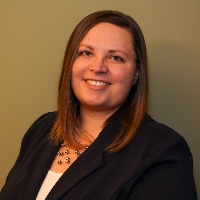
Illinois · 12 yrs exp
Works with Stress, Anxiety / Trauma and abuse / Parenting +13
Works by Client-Centered Therapy / Cognitive Behavioral Therapy (CBT)
View Profile
Massachusetts · 25 yrs exp
Works with Stress, Anxiety / Relationship / Family +15
Works by Attachment-Based Therapy / Client-Centered Therapy
View Profile
Indiana · 8 yrs exp
Works with Stress, Anxiety / Addictions / Family +16
Works by Acceptance and Commitment Therapy (ACT) / Attachment-Based Therapy
View Profile
Florida · 20 yrs exp
Works with Addictions / Relationship / Trauma and abuse +15
Works by Acceptance and Commitment Therapy (ACT) / Attachment-Based Therapy
View Profile
Virginia · 31 yrs exp
Works with Stress, Anxiety / Relationship / Family +13
Works by Attachment-Based Therapy / Client-Centered Therapy
View Profile
Florida · 17 yrs exp
Works with Stress, Anxiety / Trauma and abuse / Eating +15
Works by Acceptance and Commitment Therapy (ACT) / Client-Centered Therapy
View Profile
Mississippi · 25 yrs exp
Works with Stress, Anxiety / Relationship / Family +16
Works by Acceptance and Commitment Therapy (ACT) / Client-Centered Therapy
View Profile
Georgia · 25 yrs exp
Works with Stress, Anxiety / Parenting / Anger +16
Works by Attachment-Based Therapy / Client-Centered Therapy
View Profile
Florida · 14 yrs exp
Works with Stress, Anxiety / Trauma and abuse / Grief +14
Works by Cognitive Behavioral Therapy (CBT) / Dialectical Behavior Therapy (DBT)
View Profile
Texas · 18 yrs exp
Works with Stress, Anxiety / Relationship / Family +10
Works by Cognitive Behavioral Therapy (CBT) / Mindfulness Therapy
View Profile
Florida · 24 yrs exp
Works with Stress, Anxiety / Addictions / Grief +15
Works by Acceptance and Commitment Therapy (ACT) / Client-Centered Therapy
View Profile
Louisiana · 10 yrs exp
Works with Stress, Anxiety / Trauma and abuse / Anger +13
Works by Attachment-Based Therapy / Client-Centered Therapy
View Profile
Ohio · 17 yrs exp
Works with Stress, Anxiety / Family / Parenting +13
Works by Attachment-Based Therapy / Client-Centered Therapy
View Profile
California · 38 yrs exp
Works with Stress, Anxiety / Addictions / Relationship +2
View Profile
Arkansas · 44 yrs exp
Works with Stress, Anxiety / Trauma and abuse / Grief +17
Works by Acceptance and Commitment Therapy (ACT) / Client-Centered Therapy
View Profile
Michigan · 31 yrs exp
Works with Stress, Anxiety / Family / Trauma and abuse +17
Works by Attachment-Based Therapy / Client-Centered Therapy
View Profile
Florida · 33 yrs exp
Works with Stress, Anxiety / LGBT / Relationship +9
Works by Client-Centered Therapy / Cognitive Behavioral Therapy (CBT)
View Profile
Kansas · 17 yrs exp
Works with Stress, Anxiety / Relationship / Family +11
Works by Attachment-Based Therapy / Client-Centered Therapy
View Profile
New York · 18 yrs exp · 3 languages
Works with Stress, Anxiety / Relationship / Parenting +2
View Profile
Missouri · 17 yrs exp
Works with Stress, Anxiety / Addictions / Relationship +10
Works by Attachment-Based Therapy / Client-Centered Therapy
View Profile
Wyoming · 14 yrs exp
Works with Addictions / Relationship / Depression +12
Works by Client-Centered Therapy / Cognitive Behavioral Therapy (CBT)
View Profile
New York · 25 yrs exp · 2 languages
Works with Stress, Anxiety / Grief / Anger +7
Works by Client-Centered Therapy / Cognitive Behavioral Therapy (CBT)
View Profile
Texas · 26 yrs exp
Works with Stress, Anxiety / Relationship / Trauma and abuse +12
Works by Client-Centered Therapy / Cognitive Behavioral Therapy (CBT)
View Profile
Michigan · 13 yrs exp
Works with Stress, Anxiety / Addictions / Trauma and abuse +17
Works by Acceptance and Commitment Therapy (ACT) / Client-Centered Therapy
View Profile
Texas · 20 yrs exp
Works with Stress, Anxiety / Relationship / Family +14
Works by Attachment-Based Therapy / Client-Centered Therapy
View Profile
Florida · 20 yrs exp
Works with Stress, Anxiety / Relationship / Grief +2
Works by Acceptance and Commitment Therapy (ACT) / Attachment-Based Therapy
View Profile
Michigan · 20 yrs exp
Works with Stress, Anxiety / Addictions / Trauma and abuse +11
Works by Acceptance and Commitment Therapy (ACT) / Client-Centered Therapy
View Profile
Texas · 18 yrs exp
Works with Stress, Anxiety / Addictions / LGBT +15
Works by Attachment-Based Therapy / Client-Centered Therapy
View Profile
Illinois · 5 yrs exp
Works with Stress, Anxiety / Addictions / Self esteem +2
View Profile
Vermont · 11 yrs exp
Works with Stress, Anxiety / Trauma and abuse / Self esteem +14
Works by Acceptance and Commitment Therapy (ACT) / Client-Centered Therapy
View Profile
Nevada · 10 yrs exp
Works with Stress, Anxiety / Trauma and abuse / Parenting +16
Works by Attachment-Based Therapy / Client-Centered Therapy
View Profile
Colorado · 20 yrs exp
Works with Stress, Anxiety / Anger / Self esteem +11
Works by Client-Centered Therapy / Cognitive Behavioral Therapy (CBT)
View Profile
North Dakota · 10 yrs exp
Works with Stress, Anxiety / Relationship / Family +11
Works by Acceptance and Commitment Therapy (ACT) / Attachment-Based Therapy
View Profile
New York · 25 yrs exp
Works with Stress, Anxiety / Relationship / Family +16
Works by Acceptance and Commitment Therapy (ACT) / Client-Centered Therapy
View Profile
Kentucky · 15 yrs exp
Works with Stress, Anxiety / Relationship / Parenting +14
Works by Acceptance and Commitment Therapy (ACT) / Attachment-Based Therapy
View ProfileCompulsion refers to repetitive behaviors or mental acts that a person feels compelled to perform, often in response to intense distress or intrusive thoughts. These behaviors can range from visible actions such as repeated checking, cleaning, or ordering, to internal rituals like counting or repeating phrases in the mind. For many people, compulsive acts are intended to prevent a feared outcome or to reduce anxiety, but the relief that follows is frequently temporary and can lead to a cycle that takes up increasing time and energy.
You may notice compulsion showing up in ways that interrupt daily routines, strain relationships, or affect work and school performance. The behaviors themselves can be burdensome, and the effort to conceal or manage them can increase feelings of isolation. Because compulsive patterns are often tied to strong emotional responses, addressing them typically involves both the behavior and the underlying triggers. Recognizing compulsion as a pattern rather than a character flaw can be the first step toward change, and therapy offers a space to explore alternatives to repetitive coping strategies.
It can be difficult to decide when to seek professional support, but there are common signals that therapy may be beneficial. You might find that rituals take up a significant portion of your day, that compulsive acts interfere with responsibilities, or that attempts to resist behaviors provoke intense anxiety. Another clear sign is when compulsions start to dictate choices about where you go, who you see, or what you avoid. Emotional consequences such as shame, low mood, or heightened stress often accompany persistent compulsive patterns and can make it harder to break the cycle on your own.
If efforts to reduce or stop compulsive behaviors repeatedly end in relapse, or if self-help strategies have provided limited relief, collaborating with a therapist can introduce structure and new techniques. Therapy may also be useful when compulsions coexist with other concerns, such as panic, social anxiety, or trauma-related distress. In those cases, addressing each concern in context helps create a balanced plan that considers your values and daily functioning. Reaching out for support does not require a full resolution of all symptoms; many people begin therapy when the impact of compulsion becomes disruptive enough to warrant intentional change.
When you begin work with a therapist around compulsion, early sessions typically involve assessment and collaborative goal-setting. The therapist will want to understand the specific behaviors, their triggers, and the patterns of relief that follow. You can expect a discussion about how compulsions fit into your life, what situations provoke them, and how you currently cope. This assessment phase helps shape a treatment plan that reflects your priorities, whether that means reducing the frequency of behaviors, decreasing the time spent on rituals, or improving emotional regulation.
Sessions often blend skills practice, behavioral experiments, and reflection on progress. You may be invited to monitor triggers and responses between sessions to build awareness. Some therapeutic work focuses on gradually approaching feared situations without performing rituals, while other strategies aim to change the relationship to distressing thoughts and urges. Therapy is typically collaborative, with you and the therapist reviewing what works and adjusting the approach over time. Expect that change is gradual - small shifts in how you respond to urges can add up to meaningful improvements in daily life.
A range of therapeutic approaches is commonly used to address compulsive behaviors. Cognitive-behavioral strategies are often central because they target the connection between thoughts, feelings, and behaviors. Within that umbrella, certain methods focus on experimenting with response patterns and building tolerance for discomfort. Therapists who list exposure-based methods among their approaches may emphasize confronting triggers in a structured way while resisting rituals, so that new learning can occur about safety and distress tolerance.
Other therapists may list acceptance and mindfulness-based approaches as part of their repertoire, helping you to observe urges without acting on them and to cultivate a different relationship to intrusive thoughts. Some clinicians include approaches that explore underlying emotional themes, attachment patterns, or life stressors that maintain compulsive cycles. When reviewing therapist profiles, you will see descriptions that indicate the approaches a clinician lists, rather than formal certifications. That information can help you determine which styles resonate with your preferences for practical skills, reflective work, or a combination of both.
Online therapy offers a flexible way to work on compulsion from your own home or another location that feels comfortable. Sessions generally take place by video or phone, and some therapists incorporate messaging between meetings for brief check-ins or shared tools. For many people, online formats make it easier to practice skills in the environments where compulsions occur, since you can use techniques in real time and then process the experience during the session. This can enhance the relevance of exercises and make therapy more immediately applicable to daily challenges.
When choosing online therapy, think about the practical elements that matter to you. Consider the therapist's stated approaches and how they describe working with compulsive behaviors. Pay attention to whether a clinician notes experience with exposure-based strategies, mindfulness, or emotion-focused work, keeping in mind that profile descriptions indicate approaches therapists list rather than formal endorsements. Also reflect on language preferences, cultural perspective, and whether a therapist discusses working with issues that commonly co-occur with compulsion. Online formats vary in session length and frequency, so looking for a match in style and communication can make it easier to engage consistently over time.
Selecting a therapist is a personal choice, and it helps to prioritize clarity about the elements that feel most important for your progress. Start by reading profiles to identify clinicians who list compulsion among their specialties and who describe approaches that align with your goals. Think about whether you prefer a therapist who emphasizes practical skills and behavioral work, someone who integrates mindfulness and acceptance strategies, or a clinician who focuses on broader emotional patterns. Language, cultural understanding, and life experience may also influence your comfort level in sessions.
Consider how the therapist explains their approach to compulsion and whether that explanation resonates with you. If you prefer step-by-step behavioral practice, look for descriptions that mention exposure work or response prevention. If you value noticing inner experience and building tolerance, approaches that reference acceptance and mindfulness may feel like a better fit. It can also be helpful to reflect on logistical preferences, such as session format and communication style, so that the therapeutic relationship supports consistent engagement. When you start sessions, plan to bring examples of the behaviors you want to address and your personal priorities so that the work can be tailored to real-life situations.
Choosing a therapist is the first step in a process that unfolds over time. With clear goals and a collaborative approach, therapy can help you develop alternatives to compulsive patterns and build strategies that reduce the hold of repetitive behaviors on daily life. Use the listings on this page as a starting point to explore profiles, learn about different approaches, and identify clinicians who describe ways of working that match your needs.
Alabama
44 therapists
Alaska
6 therapists
Arizona
45 therapists
Arkansas
19 therapists
Australia
125 therapists
California
219 therapists
Colorado
66 therapists
Connecticut
19 therapists
Delaware
7 therapists
District of Columbia
2 therapists
Florida
404 therapists
Georgia
85 therapists
Hawaii
13 therapists
Idaho
24 therapists
Illinois
99 therapists
Indiana
60 therapists
Iowa
22 therapists
Kansas
30 therapists
Kentucky
47 therapists
Louisiana
68 therapists
Maine
14 therapists
Maryland
35 therapists
Massachusetts
36 therapists
Michigan
128 therapists
Minnesota
37 therapists
Mississippi
31 therapists
Missouri
84 therapists
Montana
20 therapists
Nebraska
24 therapists
Nevada
17 therapists
New Hampshire
13 therapists
New Jersey
85 therapists
New Mexico
15 therapists
New York
155 therapists
North Carolina
130 therapists
North Dakota
4 therapists
Ohio
84 therapists
Oklahoma
53 therapists
Oregon
22 therapists
Pennsylvania
120 therapists
Rhode Island
7 therapists
South Carolina
52 therapists
South Dakota
10 therapists
Tennessee
58 therapists
Texas
332 therapists
United Kingdom
1261 therapists
Utah
38 therapists
Vermont
8 therapists
Virginia
53 therapists
Washington
40 therapists
West Virginia
18 therapists
Wisconsin
59 therapists
Wyoming
13 therapists