
Velma Jones, LCSW
New York · 29 yrs exp
Works with Stress, Anxiety / Relationship / Trauma and abuse +11
Works by Attachment-Based Therapy / Client-Centered Therapy
View ProfileOn this page you will find therapists who list obsession and intrusive thoughts among their areas of focus, along with approaches, languages, credentials, and location options. Browse the listings below to review profiles and explore professionals who may fit your needs.
New York · 29 yrs exp
Works with Stress, Anxiety / Relationship / Trauma and abuse +11
Works by Attachment-Based Therapy / Client-Centered Therapy
View Profile
North Carolina · 25 yrs exp
Works with Stress, Anxiety / Relationship / Family +16
Works by Attachment-Based Therapy / Client-Centered Therapy
View Profile
Texas · 13 yrs exp
Works with Stress, Anxiety / Relationship / Trauma and abuse +12
Works by Attachment-Based Therapy / Client-Centered Therapy
View Profile
Florida · 20 yrs exp · 2 languages
Works with Stress, Anxiety / Addictions / Relationship +17
Works by Acceptance and Commitment Therapy (ACT) / Attachment-Based Therapy
View Profile
Oregon · 26 yrs exp
Works with Stress, Anxiety / Trauma and abuse / Grief +11
Works by Acceptance and Commitment Therapy (ACT) / Attachment-Based Therapy
View Profile
Maryland · 6 yrs exp
Works with Stress, Anxiety / Trauma and abuse / Self esteem +11
Works by Attachment-Based Therapy / Client-Centered Therapy
View Profile
Michigan · 5 yrs exp
Works with Stress, Anxiety / Relationship / Family +13
Works by Acceptance and Commitment Therapy (ACT) / Cognitive Behavioral Therapy (CBT)
View Profile
North Carolina · 10 yrs exp
Works with Stress, Anxiety / Relationship / Family +17
Works by Acceptance and Commitment Therapy (ACT) / Client-Centered Therapy
View Profile
Illinois · 10 yrs exp
Works with Stress, Anxiety / LGBT / Relationship +11
Works by Client-Centered Therapy / Emotionally-Focused Therapy (EFT)
View Profile
Colorado · 11 yrs exp
Works with Stress, Anxiety / LGBT / Trauma and abuse +16
Works by Acceptance and Commitment Therapy (ACT) / Client-Centered Therapy
View Profile
Florida · 15 yrs exp
Works with Stress, Anxiety / Addictions / Trauma and abuse +15
Works by Acceptance and Commitment Therapy (ACT) / Client-Centered Therapy
View Profile
Michigan · 21 yrs exp
Works with Stress, Anxiety / Relationship / Family +15
Works by Acceptance and Commitment Therapy (ACT) / Attachment-Based Therapy
View Profile
Texas · 22 yrs exp
Works with Stress, Anxiety / Relationship / Trauma and abuse +17
Works by Acceptance and Commitment Therapy (ACT) / Attachment-Based Therapy
View Profile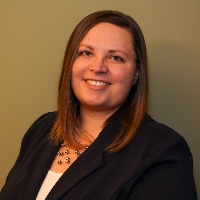
Illinois · 12 yrs exp
Works with Stress, Anxiety / Trauma and abuse / Parenting +13
Works by Client-Centered Therapy / Cognitive Behavioral Therapy (CBT)
View Profile
Massachusetts · 25 yrs exp
Works with Stress, Anxiety / Relationship / Family +15
Works by Attachment-Based Therapy / Client-Centered Therapy
View Profile
Indiana · 8 yrs exp
Works with Stress, Anxiety / Addictions / Family +16
Works by Acceptance and Commitment Therapy (ACT) / Attachment-Based Therapy
View Profile
Florida · 20 yrs exp
Works with Addictions / Relationship / Trauma and abuse +15
Works by Acceptance and Commitment Therapy (ACT) / Attachment-Based Therapy
View Profile
Virginia · 31 yrs exp
Works with Stress, Anxiety / Relationship / Family +13
Works by Attachment-Based Therapy / Client-Centered Therapy
View Profile
Florida · 17 yrs exp
Works with Stress, Anxiety / Trauma and abuse / Eating +15
Works by Acceptance and Commitment Therapy (ACT) / Client-Centered Therapy
View Profile
Mississippi · 25 yrs exp
Works with Stress, Anxiety / Relationship / Family +16
Works by Acceptance and Commitment Therapy (ACT) / Client-Centered Therapy
View Profile
Georgia · 25 yrs exp
Works with Stress, Anxiety / Parenting / Anger +16
Works by Attachment-Based Therapy / Client-Centered Therapy
View Profile
Florida · 14 yrs exp
Works with Stress, Anxiety / Trauma and abuse / Grief +14
Works by Cognitive Behavioral Therapy (CBT) / Dialectical Behavior Therapy (DBT)
View Profile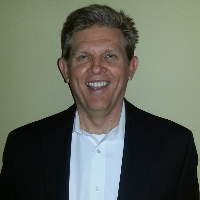
Texas · 18 yrs exp
Works with Stress, Anxiety / Relationship / Family +10
Works by Cognitive Behavioral Therapy (CBT) / Mindfulness Therapy
View Profile
Florida · 24 yrs exp
Works with Stress, Anxiety / Addictions / Grief +15
Works by Acceptance and Commitment Therapy (ACT) / Client-Centered Therapy
View Profile
Louisiana · 10 yrs exp
Works with Stress, Anxiety / Trauma and abuse / Anger +13
Works by Attachment-Based Therapy / Client-Centered Therapy
View Profile
Ohio · 17 yrs exp
Works with Stress, Anxiety / Family / Parenting +13
Works by Attachment-Based Therapy / Client-Centered Therapy
View Profile
California · 38 yrs exp
Works with Stress, Anxiety / Addictions / Relationship +2
View Profile
Arkansas · 44 yrs exp
Works with Stress, Anxiety / Trauma and abuse / Grief +17
Works by Acceptance and Commitment Therapy (ACT) / Client-Centered Therapy
View Profile
Michigan · 31 yrs exp
Works with Stress, Anxiety / Family / Trauma and abuse +17
Works by Attachment-Based Therapy / Client-Centered Therapy
View Profile
Florida · 33 yrs exp
Works with Stress, Anxiety / LGBT / Relationship +9
Works by Client-Centered Therapy / Cognitive Behavioral Therapy (CBT)
View Profile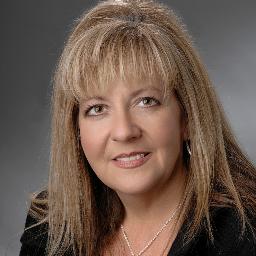
Kansas · 17 yrs exp
Works with Stress, Anxiety / Relationship / Family +11
Works by Attachment-Based Therapy / Client-Centered Therapy
View Profile
New York · 18 yrs exp · 3 languages
Works with Stress, Anxiety / Relationship / Parenting +2
View Profile
Missouri · 17 yrs exp
Works with Stress, Anxiety / Addictions / Relationship +10
Works by Attachment-Based Therapy / Client-Centered Therapy
View Profile
Wyoming · 14 yrs exp
Works with Addictions / Relationship / Depression +12
Works by Client-Centered Therapy / Cognitive Behavioral Therapy (CBT)
View Profile
New York · 25 yrs exp · 2 languages
Works with Stress, Anxiety / Grief / Anger +7
Works by Client-Centered Therapy / Cognitive Behavioral Therapy (CBT)
View Profile
Texas · 26 yrs exp
Works with Stress, Anxiety / Relationship / Trauma and abuse +12
Works by Client-Centered Therapy / Cognitive Behavioral Therapy (CBT)
View Profile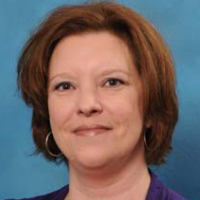
Michigan · 13 yrs exp
Works with Stress, Anxiety / Addictions / Trauma and abuse +17
Works by Acceptance and Commitment Therapy (ACT) / Client-Centered Therapy
View Profile
Texas · 20 yrs exp
Works with Stress, Anxiety / Relationship / Family +14
Works by Attachment-Based Therapy / Client-Centered Therapy
View Profile
Florida · 20 yrs exp
Works with Stress, Anxiety / Relationship / Grief +2
Works by Acceptance and Commitment Therapy (ACT) / Attachment-Based Therapy
View Profile
Michigan · 20 yrs exp
Works with Stress, Anxiety / Addictions / Trauma and abuse +11
Works by Acceptance and Commitment Therapy (ACT) / Client-Centered Therapy
View Profile
Texas · 18 yrs exp
Works with Stress, Anxiety / Addictions / LGBT +15
Works by Attachment-Based Therapy / Client-Centered Therapy
View Profile
Illinois · 5 yrs exp
Works with Stress, Anxiety / Addictions / Self esteem +2
View Profile
Vermont · 11 yrs exp
Works with Stress, Anxiety / Trauma and abuse / Self esteem +14
Works by Acceptance and Commitment Therapy (ACT) / Client-Centered Therapy
View Profile
Nevada · 10 yrs exp
Works with Stress, Anxiety / Trauma and abuse / Parenting +16
Works by Attachment-Based Therapy / Client-Centered Therapy
View Profile
Colorado · 20 yrs exp
Works with Stress, Anxiety / Anger / Self esteem +11
Works by Client-Centered Therapy / Cognitive Behavioral Therapy (CBT)
View Profile
North Dakota · 10 yrs exp
Works with Stress, Anxiety / Relationship / Family +11
Works by Acceptance and Commitment Therapy (ACT) / Attachment-Based Therapy
View Profile
New York · 25 yrs exp
Works with Stress, Anxiety / Relationship / Family +16
Works by Acceptance and Commitment Therapy (ACT) / Client-Centered Therapy
View Profile
Kentucky · 15 yrs exp
Works with Stress, Anxiety / Relationship / Parenting +14
Works by Acceptance and Commitment Therapy (ACT) / Attachment-Based Therapy
View ProfileObsession refers to persistent, distressing thoughts, images, or urges that feel intrusive and difficult to dismiss. For many people these thoughts repeat in cycles, consuming attention and interfering with daily routines, work, relationships, and sleep. Obsessions can center on many themes - contamination, harm to self or others, sexual content, symmetry and order, or moral and religious concerns. The content of the thought matters less than the intensity and the distress it causes. You may find yourself checking, mentally rehearsing, seeking reassurance, or performing rituals to try to reduce anxiety. Those behaviors can provide short-term relief but often reinforce the cycle that keeps obsessions active.
When obsessions are frequent and interfering, they can erode confidence and make you doubt your memory, intentions, or moral character. This self-doubt may lead to avoidance of certain places or activities, hypervigilance, or strained interactions with family and friends. It is important to recognize that intrusive thoughts are common in the general population, but when they become persistent and distressing they are a sign that focused support can help you regain control and reduce the hold these thoughts have on your life.
You might consider seeking help when intrusive thoughts are causing marked anxiety, compelling you to engage in repetitive behaviors, or taking up significant time each day. If obsessions make it hard to concentrate at work, interrupt your sleep, or lead you to avoid people or places, a therapist can help you develop strategies to manage symptoms. Another sign is when attempts to suppress thoughts or to fight them make them more frequent or intense. You may also notice emotional changes such as persistent shame, guilt, or irritability related to your thoughts, or a pattern of seeking reassurance from others that becomes draining for you and the people around you.
If you find that rituals or mental checking are interfering with responsibilities, or if intrusive images provoke excessive fear about your safety or morality, these are practical indicators that targeted therapeutic work could be beneficial. Therapy is not a quick fix, but it offers structured ways to reduce the time you spend on obsessions and to restore your ability to focus on everyday life. Making the decision to consult a professional is a step toward regaining perspective and building coping skills that last.
In an initial session you can expect a careful intake that explores the nature and history of your obsessions, patterns of distress, related behaviors, and how symptoms affect your functioning. You and the therapist will discuss goals for treatment and the practical aspects of therapy such as session length, frequency, fees, and payment options. Early work often centers on creating a shared understanding of how your thoughts and behaviors interact, so that later interventions can be tailored to your specific concerns and pace.
Therapists who list Cognitive Behavioral Therapy, or CBT, among their approaches often focus on identifying and modifying the thoughts and behaviors that maintain obsessions. Within that framework, Exposure and Response Prevention - often abbreviated ERP - is a common method for reducing the urge to perform rituals by guiding you to face feared situations or thoughts while refraining from compulsive responses. Acceptance-oriented approaches such as Acceptance and Commitment Therapy, or ACT, emphasize changing your relationship to intrusive thoughts so they have less control over your actions. Mindfulness-based strategies can help you observe thoughts nonjudgmentally and reduce reactivity. You may also find therapists who list techniques like habit reversal, cognitive restructuring, or therapists who combine several approaches depending on your needs.
Therapy often balances learning new skills with gradual practice. Sessions typically involve psychoeducation about obsession cycles, skill-building exercises, in-session experiments, and homework assignments to practice techniques between sessions. Progress is usually measured by reductions in time spent on rituals, decreases in distress, and improved functioning in daily life. The pace and methods are adapted to your comfort level, and you and the therapist will negotiate exposures and practices in a way that feels manageable for you.
Online therapy for obsession generally uses live video or phone sessions so you can meet a therapist from your home or another convenient location. Many therapists who list working with obsession also indicate whether they provide remote sessions, and profiles often list the formats they offer. Online sessions follow a similar structure to in-person work - assessment, collaborative goal setting, skill instruction, and guided practice - but they can offer greater flexibility in scheduling and the ability to access clinicians who specialize in obsession even if they are not nearby.
When you start online therapy, you will discuss the technical aspects such as platform options and how sessions will be delivered. You might use video for face-to-face interaction and screen-sharing for worksheets or thought records, or choose phone-only sessions if you prefer. Homework assignments and self-monitoring can be shared electronically. Some people appreciate the convenience and reduced travel time, while others prefer meeting face-to-face for personal reasons. Whether you choose online or in-person sessions, what matters most is the therapeutic approach, the therapist's experience with obsession-related concerns, and the rapport you build.
Selecting a therapist involves more than a single factor. Start by reading profiles to learn which professionals list obsession or intrusive thoughts among their focus areas and which approaches they use. Look for language that resonates with you - whether someone emphasizes exposure work, cognitive strategies, acceptance-based techniques, or a blended approach. Consider practical factors such as credentials, languages spoken, and the settings they work in, since these influence communication and cultural fit.
When evaluating profiles, pay attention to how a therapist describes their work with obsession. Clear explanations of methods, examples of what sessions involve, and statements about collaborative goal setting can help you imagine what it will feel like to work together. You may prefer a therapist who mentions experience working with anxiety disorders or obsessive patterns, or one who highlights a particular style of support, such as structured skills training or a more exploratory, insight-oriented approach. It is reasonable to contact a few therapists to ask about their typical session structure, how they approach exposures or response prevention, and what kinds of homework they assign. These conversations can give you a sense of compatibility before beginning work.
Finally, trust your instincts. Feeling heard and respected during an initial meeting is a strong predictor of a productive therapeutic relationship. If a therapist's explanation and style align with your goals and comfort level, you are more likely to stay engaged in the work that reduces the power of obsessive thoughts. Over time you and your therapist can adjust strategies to keep progress moving forward and to address new challenges as they arise.
Alabama
44 therapists
Alaska
6 therapists
Arizona
45 therapists
Arkansas
19 therapists
Australia
125 therapists
California
219 therapists
Colorado
66 therapists
Connecticut
19 therapists
Delaware
7 therapists
District of Columbia
2 therapists
Florida
404 therapists
Georgia
85 therapists
Hawaii
13 therapists
Idaho
24 therapists
Illinois
99 therapists
Indiana
60 therapists
Iowa
22 therapists
Kansas
30 therapists
Kentucky
47 therapists
Louisiana
68 therapists
Maine
14 therapists
Maryland
35 therapists
Massachusetts
36 therapists
Michigan
128 therapists
Minnesota
37 therapists
Mississippi
31 therapists
Missouri
84 therapists
Montana
20 therapists
Nebraska
24 therapists
Nevada
17 therapists
New Hampshire
13 therapists
New Jersey
85 therapists
New Mexico
15 therapists
New York
155 therapists
North Carolina
130 therapists
North Dakota
4 therapists
Ohio
84 therapists
Oklahoma
53 therapists
Oregon
22 therapists
Pennsylvania
120 therapists
Rhode Island
7 therapists
South Carolina
52 therapists
South Dakota
10 therapists
Tennessee
58 therapists
Texas
332 therapists
United Kingdom
1261 therapists
Utah
38 therapists
Vermont
8 therapists
Virginia
53 therapists
Washington
40 therapists
West Virginia
18 therapists
Wisconsin
59 therapists
Wyoming
13 therapists