
Velma Jones, LCSW
New York · 29 yrs exp
Works with Stress, Anxiety / Relationship / Trauma and abuse +11
Works by Attachment-Based Therapy / Client-Centered Therapy
View ProfileThis page lists therapists and counselors who identify addictions among their practice specialties. Explore profiles to learn about each clinician's approaches, credentials, focus areas and languages.
Browse the listings below to review therapist backgrounds and find professionals who match the kind of support you want.
New York · 29 yrs exp
Works with Stress, Anxiety / Relationship / Trauma and abuse +11
Works by Attachment-Based Therapy / Client-Centered Therapy
View Profile
North Carolina · 25 yrs exp
Works with Stress, Anxiety / Relationship / Family +16
Works by Attachment-Based Therapy / Client-Centered Therapy
View Profile
California · 14 yrs exp
Works with Stress, Anxiety / Relationship / Family +10
Works by Attachment-Based Therapy / Client-Centered Therapy
View Profile
Texas · 13 yrs exp
Works with Stress, Anxiety / Relationship / Trauma and abuse +12
Works by Attachment-Based Therapy / Client-Centered Therapy
View Profile
Florida · 20 yrs exp · 2 languages
Works with Stress, Anxiety / Addictions / Relationship +17
Works by Acceptance and Commitment Therapy (ACT) / Attachment-Based Therapy
View Profile
Louisiana · 7 yrs exp
Works with Stress, Anxiety / Family / Trauma and abuse +16
Works by Acceptance and Commitment Therapy (ACT) / Attachment-Based Therapy
View Profile
Maryland · 6 yrs exp
Works with Stress, Anxiety / Trauma and abuse / Self esteem +11
Works by Attachment-Based Therapy / Client-Centered Therapy
View Profile
Florida · 23 yrs exp
Works with Stress, Anxiety / Addictions / Self esteem +11
Works by Client-Centered Therapy / Cognitive Behavioral Therapy (CBT)
View Profile
Michigan · 5 yrs exp
Works with Stress, Anxiety / Relationship / Family +13
Works by Acceptance and Commitment Therapy (ACT) / Cognitive Behavioral Therapy (CBT)
View Profile
North Carolina · 10 yrs exp
Works with Stress, Anxiety / Relationship / Family +17
Works by Acceptance and Commitment Therapy (ACT) / Client-Centered Therapy
View Profile
Ohio · 18 yrs exp
Works with Stress, Anxiety / Trauma and abuse / Grief +12
Works by Acceptance and Commitment Therapy (ACT) / Client-Centered Therapy
View Profile
Illinois · 10 yrs exp
Works with Stress, Anxiety / LGBT / Relationship +11
Works by Client-Centered Therapy / Emotionally-Focused Therapy (EFT)
View Profile
Colorado · 11 yrs exp
Works with Stress, Anxiety / LGBT / Trauma and abuse +16
Works by Acceptance and Commitment Therapy (ACT) / Client-Centered Therapy
View Profile
Florida · 15 yrs exp
Works with Stress, Anxiety / Addictions / Trauma and abuse +15
Works by Acceptance and Commitment Therapy (ACT) / Client-Centered Therapy
View Profile
Michigan · 21 yrs exp
Works with Stress, Anxiety / Relationship / Family +15
Works by Acceptance and Commitment Therapy (ACT) / Attachment-Based Therapy
View Profile
Texas · 22 yrs exp
Works with Stress, Anxiety / Relationship / Trauma and abuse +17
Works by Acceptance and Commitment Therapy (ACT) / Attachment-Based Therapy
View Profile
Massachusetts · 25 yrs exp
Works with Stress, Anxiety / Relationship / Family +15
Works by Attachment-Based Therapy / Client-Centered Therapy
View Profile
Texas · 25 yrs exp
Works with Stress, Anxiety / Family / Intimacy-related issues +16
Works by Attachment-Based Therapy / Client-Centered Therapy
View Profile
Florida · 30 yrs exp
Works with Stress, Anxiety / Grief / Anger +16
Works by Cognitive Behavioral Therapy (CBT) / Solution-Focused Therapy
View Profile
Indiana · 8 yrs exp
Works with Stress, Anxiety / Addictions / Family +16
Works by Acceptance and Commitment Therapy (ACT) / Attachment-Based Therapy
View Profile
Florida · 32 yrs exp
Works with Stress, Anxiety / Addictions / Relationship +14
Works by Attachment-Based Therapy / Client-Centered Therapy
View Profile
Florida · 20 yrs exp
Works with Addictions / Relationship / Trauma and abuse +15
Works by Acceptance and Commitment Therapy (ACT) / Attachment-Based Therapy
View Profile
Virginia · 31 yrs exp
Works with Stress, Anxiety / Relationship / Family +13
Works by Attachment-Based Therapy / Client-Centered Therapy
View Profile
Florida · 17 yrs exp
Works with Stress, Anxiety / Trauma and abuse / Eating +15
Works by Acceptance and Commitment Therapy (ACT) / Client-Centered Therapy
View Profile
Mississippi · 25 yrs exp
Works with Stress, Anxiety / Relationship / Family +16
Works by Acceptance and Commitment Therapy (ACT) / Client-Centered Therapy
View Profile
Georgia · 25 yrs exp
Works with Stress, Anxiety / Parenting / Anger +16
Works by Attachment-Based Therapy / Client-Centered Therapy
View Profile
Florida · 14 yrs exp
Works with Stress, Anxiety / Trauma and abuse / Grief +14
Works by Cognitive Behavioral Therapy (CBT) / Dialectical Behavior Therapy (DBT)
View Profile
Texas · 18 yrs exp
Works with Stress, Anxiety / Relationship / Family +10
Works by Cognitive Behavioral Therapy (CBT) / Mindfulness Therapy
View Profile
Florida · 24 yrs exp
Works with Stress, Anxiety / Addictions / Grief +15
Works by Acceptance and Commitment Therapy (ACT) / Client-Centered Therapy
View Profile
Hawaii · 3 yrs exp
Works with Stress, Anxiety / Addictions / Relationship +2
Works by Client-Centered Therapy / Cognitive Behavioral Therapy (CBT)
View Profile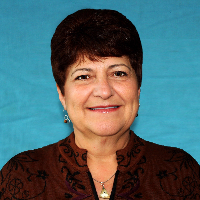
Alaska · 11 yrs exp
Works with Stress, Anxiety / Relationship / Family +10
Works by Client-Centered Therapy / Cognitive Behavioral Therapy (CBT)
View Profile
Ohio · 17 yrs exp
Works with Stress, Anxiety / Family / Parenting +13
Works by Attachment-Based Therapy / Client-Centered Therapy
View Profile
California · 38 yrs exp
Works with Stress, Anxiety / Addictions / Relationship +2
View Profile
Arkansas · 44 yrs exp
Works with Stress, Anxiety / Trauma and abuse / Grief +17
Works by Acceptance and Commitment Therapy (ACT) / Client-Centered Therapy
View Profile
Michigan · 31 yrs exp
Works with Stress, Anxiety / Family / Trauma and abuse +17
Works by Attachment-Based Therapy / Client-Centered Therapy
View Profile
North Carolina · 16 yrs exp
Works with Stress, Anxiety / Addictions / Trauma and abuse +14
Works by Acceptance and Commitment Therapy (ACT) / Client-Centered Therapy
View Profile
Missouri · 17 yrs exp
Works with Stress, Anxiety / Addictions / Relationship +10
Works by Attachment-Based Therapy / Client-Centered Therapy
View Profile
Wyoming · 14 yrs exp
Works with Addictions / Relationship / Depression +12
Works by Client-Centered Therapy / Cognitive Behavioral Therapy (CBT)
View Profile
New York · 25 yrs exp · 2 languages
Works with Stress, Anxiety / Grief / Anger +7
Works by Client-Centered Therapy / Cognitive Behavioral Therapy (CBT)
View Profile
Texas · 26 yrs exp
Works with Stress, Anxiety / Relationship / Trauma and abuse +12
Works by Client-Centered Therapy / Cognitive Behavioral Therapy (CBT)
View Profile
Michigan · 13 yrs exp
Works with Stress, Anxiety / Addictions / Trauma and abuse +17
Works by Acceptance and Commitment Therapy (ACT) / Client-Centered Therapy
View Profile
Texas · 20 yrs exp
Works with Stress, Anxiety / Relationship / Family +14
Works by Attachment-Based Therapy / Client-Centered Therapy
View Profile
Michigan · 20 yrs exp
Works with Stress, Anxiety / Addictions / Trauma and abuse +11
Works by Acceptance and Commitment Therapy (ACT) / Client-Centered Therapy
View Profile
Texas · 18 yrs exp
Works with Stress, Anxiety / Addictions / LGBT +15
Works by Attachment-Based Therapy / Client-Centered Therapy
View Profile
Illinois · 5 yrs exp
Works with Stress, Anxiety / Addictions / Self esteem +2
View Profile
Vermont · 11 yrs exp
Works with Stress, Anxiety / Trauma and abuse / Self esteem +14
Works by Acceptance and Commitment Therapy (ACT) / Client-Centered Therapy
View Profile
Nevada · 10 yrs exp
Works with Stress, Anxiety / Trauma and abuse / Parenting +16
Works by Attachment-Based Therapy / Client-Centered Therapy
View Profile
Colorado · 20 yrs exp
Works with Stress, Anxiety / Anger / Self esteem +11
Works by Client-Centered Therapy / Cognitive Behavioral Therapy (CBT)
View ProfileAddictions can take many forms, from substances such as alcohol or opioids to behaviors like gambling, gaming or compulsive shopping. For some people the pattern begins with occasional use or engagement and gradually moves toward repeated, hard-to-control behavior that interferes with daily life. Addictions often affect multiple areas at once - relationships, work or school performance, finances and physical health - and they may coexist with anxiety, depression or other emotional challenges.
Because each person's experience is different, you may notice symptoms that others do not. Some people find they spend increasing time thinking about or pursuing the substance or behavior. Others experience strong urges when trying to stop, or continue despite negative consequences. Tolerance and withdrawal are common with many substances, but behavioral addictions can also produce intense cravings and compulsive patterns that feel overwhelming. Recognizing the patterns that disrupt your life is the first step toward getting help.
You may be ready to seek therapy if your substance use or behavior is causing problems at work, in relationships or with your finances. Frequent thoughts about using, attempts to reduce or stop that do not last, and conflicts with loved ones about your behavior are all common indicators that professional support could help. You might also notice changes in mood, sleep or motivation that coincide with the addictive behavior. If you are relying on substances or certain activities to cope with stress, trauma or strong emotions, therapy can help you develop alternatives.
Therapy is also useful if you feel stuck in cycles of relapse and recovery and are looking for a different approach. Even if you are unsure whether your behavior qualifies as an addiction, a therapist can help you clarify patterns and build a plan. If you are worried about safety - for example if you are driving under the influence or experiencing thoughts that put you or others at risk - reach out for immediate support from local emergency resources or a medical professional. Therapy can be a part of a broader plan that includes medical and community supports when needed.
When you begin working with a therapist for addictions, you can expect an initial assessment that explores your history with the substance or behavior, related symptoms, and life circumstances. The therapist will ask about your goals, past attempts at change, and any health or legal concerns. From there you and the therapist will shape a plan that reflects your priorities - whether that is reducing use, achieving abstinence, repairing relationships, addressing co-occurring mental health issues, or improving coping skills.
Sessions often alternate between exploring the underlying factors that contribute to the behavior and practicing concrete skills to manage urges and triggers. You may work on coping strategies for cravings, emotional regulation techniques, and methods for repairing interpersonal harm. Therapists often encourage small, measurable steps so you can track progress. Family sessions or couples work may be included if interpersonal dynamics are part of the picture. Throughout the process you should expect a focus on practical strategies, emotional support, and regular review of goals and progress. If medication could be helpful, many therapists will collaborate with medical providers or refer you to a prescriber for evaluation.
There are a number of therapeutic approaches people choose when addressing addictions. Cognitive behavioral approaches focus on identifying patterns of thinking and behavior that sustain use and on learning skills to change those patterns. Motivational approaches are designed to strengthen your own reasons for change and explore ambivalence in a nonjudgmental way. Some therapists list approaches that address the relational and developmental aspects of addiction, such as family systems work, while others emphasize trauma-focused methods when past experiences contribute to current patterns.
Other approaches include mindfulness-based methods that train attention and stress management, and contingency-oriented strategies that focus on altering the consequences that follow behavior. Some therapists describe incorporating harm reduction principles, which prioritize decreasing negative consequences rather than insisting on immediate abstinence. You may also encounter references to community-based models or peer-support pathways that complement individual therapy. When reviewing profiles, look for therapists who list the approaches that appeal to you and read how they describe applying them in sessions, remembering that a therapist listing an approach is not the same as formal certification in it.
Online therapy has become a common option for people seeking help with addictions. It offers flexibility in scheduling and allows you to connect from wherever you feel most comfortable. In remote sessions you can engage in talk-based therapy, skills training, and behavioral planning much like you would in person. Online formats may also make it easier to involve family members who live in different places or to follow up more frequently with shorter check-ins. For some people, having sessions at home reduces barriers such as travel or childcare.
When using online therapy you should consider how you will manage privacy at home, what platform features matter to you, and whether you prefer video or phone sessions. In situations that include medical monitoring, medication management or higher safety needs, therapy is often coordinated with local medical providers or in-person services. If you have concerns about urgent safety or are in crisis, know the local emergency numbers and resources in your area before beginning remote care. Many people find a blend of in-person and online supports works well as part of a comprehensive plan.
Choosing a therapist involves matching their focus areas, approaches, credentials and languages with what matters most to you. Start by looking for clinicians who list addictions among their specialties and whose descriptions emphasize the change process you want - for example reducing harm, addressing trauma, or rebuilding relationships. Pay attention to the therapeutic approaches they mention and whether those fit your preferences for practical skills, motivational work or relational exploration. Keep in mind that a therapist listing an approach is not an automatic guarantee of training in that method; instead use the profile to learn how they describe using it.
Consider practical factors that affect fit, such as the therapist's experience with issues similar to yours, their comfort working with co-occurring mental health concerns, and any languages they offer. You may also want to notice how they describe collaboration with medical providers or community supports, especially if you expect to need medication management or structured programs. Personal fit is important - you should feel heard and respected when you talk about sensitive topics. If the therapist's profile mentions working with families or couples and that aligns with your needs, look for descriptions of how family sessions are handled. Ultimately, choosing a therapist is a personal decision that balances approach, experience and the sense that this clinician can partner with you in making the changes you want.
Therapy for addictions is rarely a single step; it is a process of exploring causes, learning skills, and building supports that help you live differently. Using the listings on this page to compare focus areas, approaches and languages can help you identify therapists who match your priorities. When you find someone whose approach resonates, reach out to learn more about how they work and whether their style feels like a good fit for the kind of change you want to make.
Alabama
44 therapists
Alaska
6 therapists
Arizona
45 therapists
Arkansas
19 therapists
Australia
125 therapists
California
219 therapists
Colorado
66 therapists
Connecticut
19 therapists
Delaware
7 therapists
District of Columbia
2 therapists
Florida
404 therapists
Georgia
85 therapists
Hawaii
13 therapists
Idaho
24 therapists
Illinois
99 therapists
Indiana
60 therapists
Iowa
22 therapists
Kansas
30 therapists
Kentucky
47 therapists
Louisiana
68 therapists
Maine
14 therapists
Maryland
35 therapists
Massachusetts
36 therapists
Michigan
128 therapists
Minnesota
37 therapists
Mississippi
31 therapists
Missouri
84 therapists
Montana
20 therapists
Nebraska
24 therapists
Nevada
17 therapists
New Hampshire
13 therapists
New Jersey
85 therapists
New Mexico
15 therapists
New York
155 therapists
North Carolina
130 therapists
North Dakota
4 therapists
Ohio
84 therapists
Oklahoma
53 therapists
Oregon
22 therapists
Pennsylvania
120 therapists
Rhode Island
7 therapists
South Carolina
52 therapists
South Dakota
10 therapists
Tennessee
58 therapists
Texas
332 therapists
United Kingdom
1261 therapists
Utah
38 therapists
Vermont
8 therapists
Virginia
53 therapists
Washington
40 therapists
West Virginia
18 therapists
Wisconsin
59 therapists
Wyoming
13 therapists