
Anne Douglas, LMFT
North Carolina · 25 yrs exp
Works with Stress, Anxiety / Relationship / Family +16
Works by Attachment-Based Therapy / Client-Centered Therapy
View ProfileThis page showcases therapists who list isolation and loneliness among their focus areas. Browse the listings below to compare approaches, credentials, languages, and experience.
Use the profiles to find a clinician whose methods and background match the kind of support you want, then read more about therapy for isolation and loneliness in the section below.
North Carolina · 25 yrs exp
Works with Stress, Anxiety / Relationship / Family +16
Works by Attachment-Based Therapy / Client-Centered Therapy
View Profile
California · 14 yrs exp
Works with Stress, Anxiety / Relationship / Family +10
Works by Attachment-Based Therapy / Client-Centered Therapy
View Profile
Texas · 13 yrs exp
Works with Stress, Anxiety / Relationship / Trauma and abuse +12
Works by Attachment-Based Therapy / Client-Centered Therapy
View Profile
Florida · 20 yrs exp · 2 languages
Works with Stress, Anxiety / Addictions / Relationship +17
Works by Acceptance and Commitment Therapy (ACT) / Attachment-Based Therapy
View Profile
Oregon · 26 yrs exp
Works with Stress, Anxiety / Trauma and abuse / Grief +11
Works by Acceptance and Commitment Therapy (ACT) / Attachment-Based Therapy
View Profile
Maryland · 6 yrs exp
Works with Stress, Anxiety / Trauma and abuse / Self esteem +11
Works by Attachment-Based Therapy / Client-Centered Therapy
View Profile
Michigan · 5 yrs exp
Works with Stress, Anxiety / Relationship / Family +13
Works by Acceptance and Commitment Therapy (ACT) / Cognitive Behavioral Therapy (CBT)
View Profile
North Carolina · 10 yrs exp
Works with Stress, Anxiety / Relationship / Family +17
Works by Acceptance and Commitment Therapy (ACT) / Client-Centered Therapy
View Profile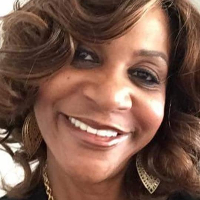
Ohio · 18 yrs exp
Works with Stress, Anxiety / Trauma and abuse / Grief +12
Works by Acceptance and Commitment Therapy (ACT) / Client-Centered Therapy
View Profile
Illinois · 10 yrs exp
Works with Stress, Anxiety / LGBT / Relationship +11
Works by Client-Centered Therapy / Emotionally-Focused Therapy (EFT)
View Profile
Colorado · 11 yrs exp
Works with Stress, Anxiety / LGBT / Trauma and abuse +16
Works by Acceptance and Commitment Therapy (ACT) / Client-Centered Therapy
View Profile
Florida · 15 yrs exp
Works with Stress, Anxiety / Addictions / Trauma and abuse +15
Works by Acceptance and Commitment Therapy (ACT) / Client-Centered Therapy
View Profile
Michigan · 21 yrs exp
Works with Stress, Anxiety / Relationship / Family +15
Works by Acceptance and Commitment Therapy (ACT) / Attachment-Based Therapy
View Profile
Texas · 22 yrs exp
Works with Stress, Anxiety / Relationship / Trauma and abuse +17
Works by Acceptance and Commitment Therapy (ACT) / Attachment-Based Therapy
View Profile
Illinois · 12 yrs exp
Works with Stress, Anxiety / Trauma and abuse / Parenting +13
Works by Client-Centered Therapy / Cognitive Behavioral Therapy (CBT)
View Profile
Texas · 25 yrs exp
Works with Stress, Anxiety / Family / Intimacy-related issues +16
Works by Attachment-Based Therapy / Client-Centered Therapy
View Profile
Florida · 30 yrs exp
Works with Stress, Anxiety / Grief / Anger +16
Works by Cognitive Behavioral Therapy (CBT) / Solution-Focused Therapy
View Profile
Indiana · 8 yrs exp
Works with Stress, Anxiety / Addictions / Family +16
Works by Acceptance and Commitment Therapy (ACT) / Attachment-Based Therapy
View Profile
Florida · 32 yrs exp
Works with Stress, Anxiety / Addictions / Relationship +14
Works by Attachment-Based Therapy / Client-Centered Therapy
View Profile
Florida · 20 yrs exp
Works with Addictions / Relationship / Trauma and abuse +15
Works by Acceptance and Commitment Therapy (ACT) / Attachment-Based Therapy
View Profile
Virginia · 31 yrs exp
Works with Stress, Anxiety / Relationship / Family +13
Works by Attachment-Based Therapy / Client-Centered Therapy
View Profile
Florida · 17 yrs exp
Works with Stress, Anxiety / Trauma and abuse / Eating +15
Works by Acceptance and Commitment Therapy (ACT) / Client-Centered Therapy
View Profile
Mississippi · 25 yrs exp
Works with Stress, Anxiety / Relationship / Family +16
Works by Acceptance and Commitment Therapy (ACT) / Client-Centered Therapy
View Profile
Georgia · 25 yrs exp
Works with Stress, Anxiety / Parenting / Anger +16
Works by Attachment-Based Therapy / Client-Centered Therapy
View Profile
Florida · 14 yrs exp
Works with Stress, Anxiety / Trauma and abuse / Grief +14
Works by Cognitive Behavioral Therapy (CBT) / Dialectical Behavior Therapy (DBT)
View Profile
Florida · 24 yrs exp
Works with Stress, Anxiety / Addictions / Grief +15
Works by Acceptance and Commitment Therapy (ACT) / Client-Centered Therapy
View Profile
Illinois · 20 yrs exp
Works with Stress, Anxiety / Grief / Self esteem +12
Works by Client-Centered Therapy / Cognitive Behavioral Therapy (CBT)
View Profile
Hawaii · 3 yrs exp
Works with Stress, Anxiety / Addictions / Relationship +2
Works by Client-Centered Therapy / Cognitive Behavioral Therapy (CBT)
View Profile
Louisiana · 10 yrs exp
Works with Stress, Anxiety / Trauma and abuse / Anger +13
Works by Attachment-Based Therapy / Client-Centered Therapy
View Profile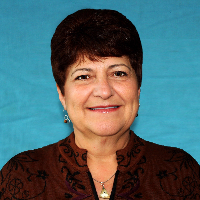
Alaska · 11 yrs exp
Works with Stress, Anxiety / Relationship / Family +10
Works by Client-Centered Therapy / Cognitive Behavioral Therapy (CBT)
View Profile
Ohio · 17 yrs exp
Works with Stress, Anxiety / Family / Parenting +13
Works by Attachment-Based Therapy / Client-Centered Therapy
View Profile
California · 38 yrs exp
Works with Stress, Anxiety / Addictions / Relationship +2
View Profile
Arkansas · 44 yrs exp
Works with Stress, Anxiety / Trauma and abuse / Grief +17
Works by Acceptance and Commitment Therapy (ACT) / Client-Centered Therapy
View Profile
Michigan · 31 yrs exp
Works with Stress, Anxiety / Family / Trauma and abuse +17
Works by Attachment-Based Therapy / Client-Centered Therapy
View Profile
Florida · 33 yrs exp
Works with Stress, Anxiety / LGBT / Relationship +9
Works by Client-Centered Therapy / Cognitive Behavioral Therapy (CBT)
View Profile
North Carolina · 16 yrs exp
Works with Stress, Anxiety / Addictions / Trauma and abuse +14
Works by Acceptance and Commitment Therapy (ACT) / Client-Centered Therapy
View Profile
Kansas · 17 yrs exp
Works with Stress, Anxiety / Relationship / Family +11
Works by Attachment-Based Therapy / Client-Centered Therapy
View Profile
New York · 18 yrs exp · 3 languages
Works with Stress, Anxiety / Relationship / Parenting +2
View Profile
Missouri · 17 yrs exp
Works with Stress, Anxiety / Addictions / Relationship +10
Works by Attachment-Based Therapy / Client-Centered Therapy
View Profile
Texas · 11 yrs exp · 2 languages
Works with Stress, Anxiety / Anger / Self esteem +9
Works by Acceptance and Commitment Therapy (ACT) / Client-Centered Therapy
View Profile
Wyoming · 14 yrs exp
Works with Addictions / Relationship / Depression +12
Works by Client-Centered Therapy / Cognitive Behavioral Therapy (CBT)
View Profile
New York · 25 yrs exp · 2 languages
Works with Stress, Anxiety / Grief / Anger +7
Works by Client-Centered Therapy / Cognitive Behavioral Therapy (CBT)
View Profile
Texas · 26 yrs exp
Works with Stress, Anxiety / Relationship / Trauma and abuse +12
Works by Client-Centered Therapy / Cognitive Behavioral Therapy (CBT)
View Profile
Michigan · 13 yrs exp
Works with Stress, Anxiety / Addictions / Trauma and abuse +17
Works by Acceptance and Commitment Therapy (ACT) / Client-Centered Therapy
View Profile
Florida · 20 yrs exp
Works with Stress, Anxiety / Relationship / Grief +2
Works by Acceptance and Commitment Therapy (ACT) / Attachment-Based Therapy
View Profile
Florida · 24 yrs exp
Works with Stress, Anxiety / Relationship / Family +12
Works by Client-Centered Therapy / Cognitive Behavioral Therapy (CBT)
View Profile
Michigan · 20 yrs exp
Works with Stress, Anxiety / Addictions / Trauma and abuse +11
Works by Acceptance and Commitment Therapy (ACT) / Client-Centered Therapy
View Profile
Texas · 18 yrs exp
Works with Stress, Anxiety / Addictions / LGBT +15
Works by Attachment-Based Therapy / Client-Centered Therapy
View ProfileIsolation and loneliness are related but distinct experiences that many people encounter at different times in life. Isolation often refers to a lack of social contact or opportunities for interaction, while loneliness is the subjective feeling of being disconnected even when others are present. You might feel loneliness after a move, a breakup, retirement, a change in health, or during a period of life when your social circle shifts. These feelings can vary in intensity and duration, and they do not reflect a personal failing. They are human responses to social circumstances and unmet emotional needs.
When loneliness becomes persistent it can affect your mood, energy, motivation, and sense of meaning. You may notice changes in sleep, appetite, or interest in activities you once enjoyed. For some people, loneliness is mixed with anxiety or low mood, and the experience of repeated social rejection or awkwardness can make it harder to reach out. Understanding the difference between being alone and feeling lonely is a first step toward identifying the kind of support that will help you rebuild connection and regain a sense of belonging.
You might consider therapy for isolation or loneliness when the feelings interfere with daily functioning or when patterns of withdrawal persist despite your best efforts. Signs that therapy may be helpful include a growing reluctance to accept social invitations, frequent negative self-talk about your social worth, avoidance of situations that could lead to connection, or repeated cycles of short-lived relationships. If you find it difficult to start or maintain conversations, or if social interactions leave you feeling exhausted and misunderstood, a therapist can help you unpack the beliefs and habits that maintain isolation.
Therapy can also support you if loneliness is entangled with grief, life transitions, chronic stress, or health changes. You do not need to wait until feelings become overwhelming to seek help. Early work with a therapist can build practical skills for outreach, refine expectations about relationships, and strengthen emotional resilience so that you can navigate social life with more confidence.
When you begin therapy for loneliness, the first sessions typically focus on building rapport and mapping your social world. Your therapist will ask about your history of relationships, meaningful connections, daily routines, and times when you felt most supported. This helps identify patterns that contribute to isolation - for example, habits of withdrawing after conflict, difficulty asserting needs, or unrealistic expectations about how relationships should meet all emotional needs.
As you progress, therapy often combines emotional exploration with skill-building. You may work on noticing and challenging unhelpful thoughts that keep you from reaching out, practice communication skills, and develop step-by-step plans to expand your social network. Many people find that practicing small, manageable social experiments in real life and reviewing them in sessions accelerates change. Therapy also provides space to process painful experiences such as rejection, loneliness tied to identity or life stage, and fears about being judged. Over time, therapy helps you reshape how you connect with others and how you view yourself in relation to the social world.
Therapists approach isolation and loneliness from different theoretical perspectives, and part of finding the right match is understanding which approaches resonate with you. You may find therapists who list cognitive behavioral therapy (CBT) among their approaches, which focuses on identifying and testing thoughts and behaviors that maintain isolation. There are also therapists who list interpersonal therapy among their approaches, which centers on improving relationship skills and resolving role transitions that contribute to loneliness.
Some clinicians list acceptance and commitment therapy (ACT) among their approaches, which can help you clarify values and take committed action toward meaningful connection despite emotional discomfort. Others list psychodynamic approaches among their methods, which explore long-standing relational patterns and early attachment experiences that shape how you relate to others. You may also encounter therapists who list group therapy among their offerings, which provides an opportunity to practice social skills and experience connection with peers in a therapeutic setting. Mindfulness-based practices, narrative approaches, behavioral activation, and social skills training are additional strategies therapists may list among their approaches. When reviewing profiles, look for clinicians whose described methods align with how you want to work - whether that is skill-focused, emotionally exploratory, or a combination of both.
Online therapy can be a practical option if reaching in-person services feels difficult because of location, mobility, or scheduling. In online sessions you meet a therapist through video, phone, or sometimes messaging, and many people find that starting remotely lowers the barrier to seeking help. The mechanics are straightforward: you schedule sessions, join through a link or app, and use the same therapeutic tools in a virtual format. Rapport building and emotional processing can work well online, and some people discover that connecting from a familiar environment makes it easier to open up.
When choosing online therapy, pay attention to a clinician's descriptions of how they adapt interventions for remote work. Some therapists who list social skills training among their approaches will suggest role-play during sessions, followed by real-world practice. Others may recommend local community resources or group offerings that complement online sessions. Technology can also enable creative assignments - for example, tracking social contacts with digital tools or rehearsing conversations via video. Make sure you review a provider's notes about session formats, languages offered, and any requirements for technology so you know what to expect. Online therapy does not replace in-person community building, but it often serves as an effective step toward expanding connection and practicing new interpersonal skills.
Picking a therapist is a personal decision that balances approach, experience, and the way you feel in sessions. Start by considering the types of methods that appeal to you - whether you want a therapist who lists CBT among their approaches for concrete skill-building, or someone who lists psychodynamic or narrative approaches for deeper relational exploration. Think about whether you prefer shorter-term focused work or a more open-ended process. Credentials and experience with life situations similar to yours can be helpful to note, as can the languages a therapist lists and whether they describe work with populations you identify with.
It is also important to trust your own sense of fit. Pay attention to how profiles describe the therapeutic relationship and any statements about what a therapist emphasizes in sessions. You may find it useful to read therapist descriptions for examples of what a session looks like, such as whether they outline practical homework, role-play, or emotionally oriented exploration. If you try a few clinicians, consider which conversations felt most comfortable and which therapist communicated ideas in ways that matched your learning style. Therapy for loneliness often involves taking small social steps between sessions, so choose someone whose approach helps you feel able to try new behaviors and reflect on what works. Over time, the right therapeutic relationship can become a model for healthier connections in your daily life.
Loneliness and isolation can feel heavy, but help is available in many formats and approaches. Use the listings above to explore therapists who list isolation and loneliness among their areas of focus, read their descriptions, and look for approaches and backgrounds that align with your needs. With thoughtful choice and some practical steps, therapy can help you rebuild connection and find more satisfying ways to relate to yourself and others.
Alabama
44 therapists
Alaska
6 therapists
Arizona
45 therapists
Arkansas
19 therapists
Australia
125 therapists
California
219 therapists
Colorado
66 therapists
Connecticut
19 therapists
Delaware
7 therapists
District of Columbia
2 therapists
Florida
404 therapists
Georgia
85 therapists
Hawaii
13 therapists
Idaho
24 therapists
Illinois
99 therapists
Indiana
60 therapists
Iowa
22 therapists
Kansas
30 therapists
Kentucky
47 therapists
Louisiana
68 therapists
Maine
14 therapists
Maryland
35 therapists
Massachusetts
36 therapists
Michigan
128 therapists
Minnesota
37 therapists
Mississippi
31 therapists
Missouri
84 therapists
Montana
20 therapists
Nebraska
24 therapists
Nevada
17 therapists
New Hampshire
13 therapists
New Jersey
85 therapists
New Mexico
15 therapists
New York
155 therapists
North Carolina
130 therapists
North Dakota
4 therapists
Ohio
84 therapists
Oklahoma
53 therapists
Oregon
22 therapists
Pennsylvania
120 therapists
Rhode Island
7 therapists
South Carolina
52 therapists
South Dakota
10 therapists
Tennessee
58 therapists
Texas
332 therapists
United Kingdom
1261 therapists
Utah
38 therapists
Vermont
8 therapists
Virginia
53 therapists
Washington
40 therapists
West Virginia
18 therapists
Wisconsin
59 therapists
Wyoming
13 therapists