
Anne Douglas, LMFT
North Carolina · 25 yrs exp
Works with Stress, Anxiety / Relationship / Family +16
Works by Attachment-Based Therapy / Client-Centered Therapy
View ProfileFind therapists who work with sexuality-related concerns, including desire, identity, intimacy, and performance issues. Browse the listings below to compare approaches, credentials, languages, and areas of focus to find professionals who match your needs.
North Carolina · 25 yrs exp
Works with Stress, Anxiety / Relationship / Family +16
Works by Attachment-Based Therapy / Client-Centered Therapy
View Profile
California · 14 yrs exp
Works with Stress, Anxiety / Relationship / Family +10
Works by Attachment-Based Therapy / Client-Centered Therapy
View Profile
Florida · 20 yrs exp · 2 languages
Works with Stress, Anxiety / Addictions / Relationship +17
Works by Acceptance and Commitment Therapy (ACT) / Attachment-Based Therapy
View Profile
Maryland · 6 yrs exp
Works with Stress, Anxiety / Trauma and abuse / Self esteem +11
Works by Attachment-Based Therapy / Client-Centered Therapy
View Profile
North Carolina · 10 yrs exp
Works with Stress, Anxiety / Relationship / Family +17
Works by Acceptance and Commitment Therapy (ACT) / Client-Centered Therapy
View Profile
Illinois · 10 yrs exp
Works with Stress, Anxiety / LGBT / Relationship +11
Works by Client-Centered Therapy / Emotionally-Focused Therapy (EFT)
View Profile
Colorado · 11 yrs exp
Works with Stress, Anxiety / LGBT / Trauma and abuse +16
Works by Acceptance and Commitment Therapy (ACT) / Client-Centered Therapy
View Profile
Illinois · 12 yrs exp
Works with Stress, Anxiety / Trauma and abuse / Parenting +13
Works by Client-Centered Therapy / Cognitive Behavioral Therapy (CBT)
View Profile
Texas · 25 yrs exp
Works with Stress, Anxiety / Family / Intimacy-related issues +16
Works by Attachment-Based Therapy / Client-Centered Therapy
View Profile
Indiana · 8 yrs exp
Works with Stress, Anxiety / Addictions / Family +16
Works by Acceptance and Commitment Therapy (ACT) / Attachment-Based Therapy
View Profile
Florida · 32 yrs exp
Works with Stress, Anxiety / Addictions / Relationship +14
Works by Attachment-Based Therapy / Client-Centered Therapy
View Profile
Florida · 20 yrs exp
Works with Addictions / Relationship / Trauma and abuse +15
Works by Acceptance and Commitment Therapy (ACT) / Attachment-Based Therapy
View Profile
Georgia · 25 yrs exp
Works with Stress, Anxiety / Parenting / Anger +16
Works by Attachment-Based Therapy / Client-Centered Therapy
View Profile
Florida · 14 yrs exp
Works with Stress, Anxiety / Trauma and abuse / Grief +14
Works by Cognitive Behavioral Therapy (CBT) / Dialectical Behavior Therapy (DBT)
View Profile
Florida · 24 yrs exp
Works with Stress, Anxiety / Addictions / Grief +15
Works by Acceptance and Commitment Therapy (ACT) / Client-Centered Therapy
View Profile
Ohio · 17 yrs exp
Works with Stress, Anxiety / Family / Parenting +13
Works by Attachment-Based Therapy / Client-Centered Therapy
View Profile
Kansas · 17 yrs exp
Works with Stress, Anxiety / Relationship / Family +11
Works by Attachment-Based Therapy / Client-Centered Therapy
View Profile
Missouri · 17 yrs exp
Works with Stress, Anxiety / Addictions / Relationship +10
Works by Attachment-Based Therapy / Client-Centered Therapy
View Profile
New York · 25 yrs exp · 2 languages
Works with Stress, Anxiety / Grief / Anger +7
Works by Client-Centered Therapy / Cognitive Behavioral Therapy (CBT)
View Profile
Michigan · 13 yrs exp
Works with Stress, Anxiety / Addictions / Trauma and abuse +17
Works by Acceptance and Commitment Therapy (ACT) / Client-Centered Therapy
View Profile
Florida · 20 yrs exp
Works with Stress, Anxiety / Relationship / Grief +2
Works by Acceptance and Commitment Therapy (ACT) / Attachment-Based Therapy
View Profile
Texas · 18 yrs exp
Works with Stress, Anxiety / Addictions / LGBT +15
Works by Attachment-Based Therapy / Client-Centered Therapy
View Profile
Illinois · 5 yrs exp
Works with Stress, Anxiety / Addictions / Self esteem +2
View Profile
Vermont · 11 yrs exp
Works with Stress, Anxiety / Trauma and abuse / Self esteem +14
Works by Acceptance and Commitment Therapy (ACT) / Client-Centered Therapy
View Profile
Nevada · 10 yrs exp
Works with Stress, Anxiety / Trauma and abuse / Parenting +16
Works by Attachment-Based Therapy / Client-Centered Therapy
View Profile
Virginia · 25 yrs exp
Works with Stress, Anxiety / Family / Trauma and abuse +13
Works by Client-Centered Therapy / Cognitive Behavioral Therapy (CBT)
View Profile
North Dakota · 10 yrs exp
Works with Stress, Anxiety / Relationship / Family +11
Works by Acceptance and Commitment Therapy (ACT) / Attachment-Based Therapy
View Profile
Kentucky · 15 yrs exp
Works with Stress, Anxiety / Relationship / Parenting +14
Works by Acceptance and Commitment Therapy (ACT) / Attachment-Based Therapy
View Profile
Oklahoma · 9 yrs exp
Works with Stress, Anxiety / Anger / Self esteem +17
Works by Acceptance and Commitment Therapy (ACT) / Attachment-Based Therapy
View Profile
Florida · 20 yrs exp
Works with Stress, Anxiety / Relationship / Family +17
Works by Acceptance and Commitment Therapy (ACT) / Attachment-Based Therapy
View Profile
Texas · 39 yrs exp
Works with Stress, Anxiety / Relationship / Trauma and abuse +12
Works by Acceptance and Commitment Therapy (ACT) / Attachment-Based Therapy
View Profile
South Carolina · 15 yrs exp
Works with Stress, Anxiety / Trauma and abuse / Anger +14
Works by Acceptance and Commitment Therapy (ACT) / Attachment-Based Therapy
View Profile
Texas · 15 yrs exp
Works with Stress, Anxiety / Addictions / LGBT +12
Works by Acceptance and Commitment Therapy (ACT) / Attachment-Based Therapy
View Profile
Arkansas · 3 yrs exp
Works with Stress, Anxiety / Relationship / Grief +10
Works by Client-Centered Therapy / Cognitive Behavioral Therapy (CBT)
View Profile
Texas · 12 yrs exp
Works with Stress, Anxiety / Addictions / Relationship +15
Works by Acceptance and Commitment Therapy (ACT) / Attachment-Based Therapy
View Profile
Illinois · 30 yrs exp
Works with Stress, Anxiety / Relationship / Family +13
Works by Acceptance and Commitment Therapy (ACT) / Attachment-Based Therapy
View Profile
Wyoming · 26 yrs exp
Works with Stress, Anxiety / Trauma and abuse / Anger +11
Works by Client-Centered Therapy / Cognitive Behavioral Therapy (CBT)
View Profile
Wisconsin · 8 yrs exp
Works with Stress, Anxiety / Relationship / Self esteem +11
Works by Attachment-Based Therapy / Client-Centered Therapy
View Profile
New York · 9 yrs exp
Works with Stress, Anxiety / Relationship / Parenting +2
Works by Acceptance and Commitment Therapy (ACT) / Client-Centered Therapy
View Profile
Missouri · 8 yrs exp
Works with Stress, Anxiety / Addictions / LGBT +16
Works by Client-Centered Therapy / Cognitive Behavioral Therapy (CBT)
View Profile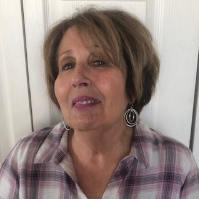
Arizona · 25 yrs exp
Works with Stress, Anxiety / Addictions / Relationship +12
Works by Acceptance and Commitment Therapy (ACT) / Cognitive Behavioral Therapy (CBT)
View Profile
Washington · 50 yrs exp
Works with Stress, Anxiety / Trauma and abuse / Intimacy-related issues +16
Works by Attachment-Based Therapy / Client-Centered Therapy
View Profile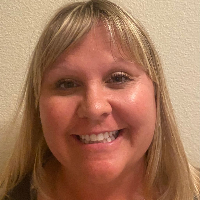
Colorado · 18 yrs exp
Works with Stress, Anxiety / Addictions / Relationship +16
Works by Client-Centered Therapy / Cognitive Behavioral Therapy (CBT)
View Profile
Florida · 5 yrs exp
Works with Stress, Anxiety / LGBT / Trauma and abuse +11
Works by Acceptance and Commitment Therapy (ACT) / Client-Centered Therapy
View Profile
Oklahoma · 25 yrs exp
Works with Stress, Anxiety / Family / Trauma and abuse +16
Works by Client-Centered Therapy / Cognitive Behavioral Therapy (CBT)
View Profile
Mississippi · 16 yrs exp
Works with Stress, Anxiety / Parenting / Anger +11
Works by Acceptance and Commitment Therapy (ACT) / Attachment-Based Therapy
View Profile
Mississippi · 51 yrs exp
Works with Stress, Anxiety / Relationship / Self esteem +16
Works by Acceptance and Commitment Therapy (ACT) / Attachment-Based Therapy
View Profile
Mississippi · 20 yrs exp
Works with Stress, Anxiety / Relationship / Trauma and abuse +11
Works by Client-Centered Therapy / Cognitive Behavioral Therapy (CBT)
View ProfileSexuality touches many aspects of who you are. It can include sexual orientation, gender identity, attraction, desire, physical expression, emotional intimacy, and the meanings you attach to sexual experiences. For some people sexuality is a clear and stable part of identity. For others it is fluid, confusing, or a source of tension. Cultural background, religion, past experiences, relationships, health, and stress can all shape how you experience sex and intimacy. When sexuality feels aligned with your values and relationships, it often supports wellbeing. When it causes distress, confusion, or conflict, it can affect mood, relationships, and daily functioning.
You might notice sexuality affecting your communication with partners, your self-image, or your ability to enjoy closeness. Changes in desire can feel alarming. Worries about performance or comparison to others can cause significant anxiety. Identity questions - whether about orientation or gender - can be isolating if you lack supportive spaces to reflect. Physical conditions, medications, and life transitions like parenthood or aging can also shift sexual patterns. Therapy can help you explore these changes without judgment and identify practical steps to improve connection, manage distress, or better understand your own needs.
You might consider therapy if sexuality is causing persistent worry, shame, or confusion, or if it is interfering with relationships or daily life. People often come when they experience a mismatch in desire with a partner, recurring anxiety around performance, difficulty establishing physical or emotional boundaries, or distress about sexual identity. Others seek help after experiencing sexual trauma, coercion, or unwanted sexual behaviors. If sexual problems are contributing to depression, anxiety, relationship strain, or avoidance of intimacy, therapy can provide a space to explore what is happening and to develop coping strategies.
You do not need a crisis to benefit from therapy. If you find yourself repeatedly avoiding conversations about sex, feeling stuck in painful patterns, or unable to enjoy intimacy in ways you once did, those are valid reasons to reach out. Therapy can help whether you are seeking to repair trust, increase desire, navigate identity exploration, or simply gain clarity about your sexual values and boundaries. If you have experienced sexual harm, you may want support that prioritizes safety and pacing your recovery at a pace that feels manageable to you.
In early sessions you and your therapist will typically focus on listening and understanding your concerns. Expect discussions about your history, relationships, sexual experiences, and what you hope to change. The pace of these conversations will depend on your comfort level. Together you will identify goals that can be practical and measurable, such as improving communication with a partner, increasing sexual desire, addressing body image concerns, or processing past experiences. Your therapist should make room for your values and cultural context in shaping those goals.
Therapy for sexuality often mixes talking with practical exercises you can try between sessions. You may be offered exercises to build intimacy, to experiment with communication techniques, or to shift anxious patterns around performance. Some work focuses on changing thoughts and behaviors, while other approaches target sensations, arousal patterns, or relational dynamics. Progress tends to be gradual and individualized - you and your therapist will regularly revisit goals and adjust strategies based on what helps you most.
Therapists bring different ways of working to sexuality-related concerns. Some emphasize cognitive and behavioral techniques to address anxiety and unhelpful beliefs about sex. Others focus on relational patterns and communication skills to improve intimacy. Body-oriented and mindfulness-based methods are sometimes used to help you reconnect with physical sensations and reduce performance pressure. If trauma is a factor, a therapist may incorporate approaches aimed at stabilizing emotions and building safety in the body. Because therapist listings record approaches rather than formal credentials, you may see descriptions like somatic therapy, cognitive-behavioral approaches, or mindfulness on profiles; these indicate what the therapist lists among their approaches rather than an independent verification of training.
When reviewing therapist profiles you will often find short descriptions of approaches. These can give you a sense of orientation - whether the therapist tends toward skills-based work, relational exploration, or body-focused methods. If an approach is unfamiliar, you can look for profiles that explain how that method is used in practice. Keep in mind that many therapists integrate multiple approaches to fit your needs. What matters most is how an approach aligns with your comfort level and the goals you bring to therapy.
Online therapy makes it possible to work with therapists across distances, which can be helpful if local options feel limited or if you prefer remote sessions. Technology allows for video, phone, or messaging formats, each of which shapes how you interact. Video sessions can approximate face-to-face meetings and are often used for in-depth conversations and skill-building. Phone sessions can feel less visible and may make it easier to discuss sensitive topics. Messaging or text-based options may suit people who want flexible, asynchronous communication. Consider how comfortable you are with each format when deciding which to try. Regardless of format, you should expect a professional conversation focused on understanding your concerns and supporting concrete steps toward your goals.
Start by thinking about what matters most to you - lived experience, cultural background, language, therapeutic focus, or the approaches a therapist lists. Look for profiles that mention sexuality as a clear area of focus and that describe the kinds of concerns they work with, such as desire differences, identity exploration, or recovery after harm. Pay attention to how therapists write about their approach and whether their language feels respectful and attuned to your values. You may prefer someone who explicitly mentions working with couples, gender-diverse clients, or specific cultural communities. Consider practical factors like session format, whether they offer written resources, and whether their described approach matches the change you want to make. It can be helpful to prepare a few questions for an initial conversation - about their experience with your concern, typical session structure, and approaches they find useful. That conversation can give you a clearer sense of fit.
Give yourself permission to take the search slowly. Reading profiles and descriptions can help you narrow options, but a brief introductory conversation can be the most revealing step in assessing whether a particular therapist feels like a match. Trust your sense of safety and comfort when discussing sensitive topics. If something in the therapeutic approach or language does not feel right, it is reasonable to look for someone whose style and words resonate more closely with your needs. Over time, therapy can offer a space to clarify your sexual values, repair or deepen intimacy, and develop skills that support fulfilling relationships and personal wellbeing.
Alabama
44 therapists
Alaska
6 therapists
Arizona
45 therapists
Arkansas
19 therapists
Australia
125 therapists
California
219 therapists
Colorado
66 therapists
Connecticut
19 therapists
Delaware
7 therapists
District of Columbia
2 therapists
Florida
404 therapists
Georgia
85 therapists
Hawaii
13 therapists
Idaho
24 therapists
Illinois
99 therapists
Indiana
60 therapists
Iowa
22 therapists
Kansas
30 therapists
Kentucky
47 therapists
Louisiana
68 therapists
Maine
14 therapists
Maryland
35 therapists
Massachusetts
36 therapists
Michigan
128 therapists
Minnesota
37 therapists
Mississippi
31 therapists
Missouri
84 therapists
Montana
20 therapists
Nebraska
24 therapists
Nevada
17 therapists
New Hampshire
13 therapists
New Jersey
85 therapists
New Mexico
15 therapists
New York
155 therapists
North Carolina
130 therapists
North Dakota
4 therapists
Ohio
84 therapists
Oklahoma
53 therapists
Oregon
22 therapists
Pennsylvania
120 therapists
Rhode Island
7 therapists
South Carolina
52 therapists
South Dakota
10 therapists
Tennessee
58 therapists
Texas
332 therapists
United Kingdom
1261 therapists
Utah
38 therapists
Vermont
8 therapists
Virginia
53 therapists
Washington
40 therapists
West Virginia
18 therapists
Wisconsin
59 therapists
Wyoming
13 therapists