
Yumi Lemaster, LCSW
Texas · 13 yrs exp
Works with Stress, Anxiety / Relationship / Trauma and abuse +12
Works by Attachment-Based Therapy / Client-Centered Therapy
View ProfileWelcome to our Texas online therapists directory. All therapists listed here hold a valid Texas license and provide services to residents across the state. Explore profiles to learn about approaches, languages, areas of focus and experience to help you find a good fit.
Texas · 13 yrs exp
Works with Stress, Anxiety / Relationship / Trauma and abuse +12
Works by Attachment-Based Therapy / Client-Centered Therapy
View Profile
Texas · 22 yrs exp
Works with Stress, Anxiety / Relationship / Trauma and abuse +17
Works by Acceptance and Commitment Therapy (ACT) / Attachment-Based Therapy
View Profile
Texas · 25 yrs exp
Works with Stress, Anxiety / Family / Intimacy-related issues +16
Works by Attachment-Based Therapy / Client-Centered Therapy
View Profile
Texas · 18 yrs exp
Works with Stress, Anxiety / Relationship / Family +10
Works by Cognitive Behavioral Therapy (CBT) / Mindfulness Therapy
View Profile
Texas · 11 yrs exp · 2 languages
Works with Stress, Anxiety / Anger / Self esteem +9
Works by Acceptance and Commitment Therapy (ACT) / Client-Centered Therapy
View Profile
Texas · 26 yrs exp
Works with Stress, Anxiety / Relationship / Trauma and abuse +12
Works by Client-Centered Therapy / Cognitive Behavioral Therapy (CBT)
View Profile
Texas · 20 yrs exp
Works with Stress, Anxiety / Relationship / Family +14
Works by Attachment-Based Therapy / Client-Centered Therapy
View Profile
Texas · 18 yrs exp
Works with Stress, Anxiety / Addictions / LGBT +15
Works by Attachment-Based Therapy / Client-Centered Therapy
View Profile
Texas · 39 yrs exp
Works with Stress, Anxiety / Relationship / Trauma and abuse +12
Works by Acceptance and Commitment Therapy (ACT) / Attachment-Based Therapy
View Profile
Texas · 15 yrs exp
Works with Stress, Anxiety / Addictions / LGBT +12
Works by Acceptance and Commitment Therapy (ACT) / Attachment-Based Therapy
View Profile
Texas · 12 yrs exp
Works with Stress, Anxiety / Addictions / Relationship +15
Works by Acceptance and Commitment Therapy (ACT) / Attachment-Based Therapy
View Profile
Texas · 8 yrs exp
Works with Stress, Anxiety / Sleeping / Self esteem +7
Works by Client-Centered Therapy / Cognitive Behavioral Therapy (CBT)
View Profile
Texas · 36 yrs exp
Works with Stress, Anxiety / Addictions / Trauma and abuse +15
Works by Client-Centered Therapy / Cognitive Behavioral Therapy (CBT)
View Profile
Texas · 22 yrs exp
Works with Stress, Anxiety / Trauma and abuse / Grief +15
Works by Cognitive Behavioral Therapy (CBT) / Motivational Interviewing
View Profile
Texas · 20 yrs exp
Works with Stress, Anxiety / Relationship / Depression +13
Works by Acceptance and Commitment Therapy (ACT) / Attachment-Based Therapy
View Profile
Texas · 25 yrs exp
Works with Stress, Anxiety / Addictions / Relationship +13
Works by Attachment-Based Therapy / Client-Centered Therapy
View Profile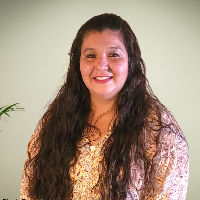
Texas · 13 yrs exp
Works with Stress, Anxiety / Family / Trauma and abuse +14
Works by Client-Centered Therapy / Cognitive Behavioral Therapy (CBT)
View Profile
Texas · 24 yrs exp · 2 languages
Works with Stress, Anxiety / LGBT / Self esteem +14
Works by Acceptance and Commitment Therapy (ACT) / Client-Centered Therapy
View Profile
Texas · 20 yrs exp
Works with Addictions / Trauma and abuse / Grief +15
Works by Acceptance and Commitment Therapy (ACT) / Attachment-Based Therapy
View Profile
Texas · 20 yrs exp
Works with Stress, Anxiety / Addictions / Trauma and abuse +9
Works by Acceptance and Commitment Therapy (ACT) / Client-Centered Therapy
View Profile
Texas · 4 yrs exp · 2 languages
Works with Stress, Anxiety / Relationship / Self esteem +12
Works by Cognitive Behavioral Therapy (CBT) / Emotionally-Focused Therapy (EFT)
View Profile
Texas · 30 yrs exp
Works with Stress, Anxiety / Addictions / Relationship +14
Works by Attachment-Based Therapy / Client-Centered Therapy
View Profile
Texas · 20 yrs exp
Works with Stress, Anxiety / Addictions / LGBT +10
Works by Client-Centered Therapy / Cognitive Behavioral Therapy (CBT)
View Profile
Texas · 8 yrs exp
Works with Trauma and abuse / Grief / Self esteem +13
View Profile
Texas · 10 yrs exp
Works with Stress, Anxiety / Trauma and abuse / Anger +14
Works by Client-Centered Therapy / Cognitive Behavioral Therapy (CBT)
View Profile
Texas · 26 yrs exp
Works with Stress, Anxiety / Relationship / Trauma and abuse +11
Works by Cognitive Behavioral Therapy (CBT) / Solution-Focused Therapy
View Profile
Texas · 11 yrs exp
Works with Stress, Anxiety / Addictions / Family +13
Works by Acceptance and Commitment Therapy (ACT) / Client-Centered Therapy
View Profile
Texas · 10 yrs exp
Works with Stress, Anxiety / Parenting / Anger +15
Works by Acceptance and Commitment Therapy (ACT) / Attachment-Based Therapy
View Profile
Texas · 18 yrs exp
Works with Stress, Anxiety / Relationship / Trauma and abuse +12
Works by Acceptance and Commitment Therapy (ACT) / Attachment-Based Therapy
View Profile
Texas · 17 yrs exp
Works with Stress, Anxiety / Relationship / Self esteem +2
Works by Acceptance and Commitment Therapy (ACT) / Client-Centered Therapy
View Profile
Texas · 15 yrs exp · 2 languages
Works with Stress, Anxiety / Trauma and abuse / Parenting +12
Works by Client-Centered Therapy / Cognitive Behavioral Therapy (CBT)
View Profile
Texas · 30 yrs exp
Works with Stress, Anxiety / Relationship / Family +2
View Profile
Texas · 20 yrs exp
Works with Stress, Anxiety / Anger / Self esteem +16
Works by Client-Centered Therapy / Cognitive Behavioral Therapy (CBT)
View Profile
Texas · 9 yrs exp
Works with Stress, Anxiety / Self esteem / Bipolar +10
Works by Acceptance and Commitment Therapy (ACT) / Attachment-Based Therapy
View Profile
Texas · 5 yrs exp
Works with Stress, Anxiety / Relationship / Grief +4
View Profile
Texas · 14 yrs exp
Works with Stress, Anxiety / Trauma and abuse / Self esteem +2
Works by Acceptance and Commitment Therapy (ACT) / Attachment-Based Therapy
View Profile
Texas · 3 yrs exp
Works with Stress, Anxiety / Relationship / Family +7
View Profile
Texas · 6 yrs exp
Works with Stress, Anxiety / Relationship / Trauma and abuse +8
Works by Client-Centered Therapy / Cognitive Behavioral Therapy (CBT)
View Profile
Texas · 14 yrs exp
Works with Stress, Anxiety / Addictions / Relationship +2
Works by Attachment-Based Therapy / Client-Centered Therapy
View Profile
Texas · 15 yrs exp
Works with Stress, Anxiety / Relationship / Family +2
Works by Client-Centered Therapy / Cognitive Behavioral Therapy (CBT)
View Profile
Texas · 13 yrs exp
Works with Addictions / Trauma and abuse / Grief +2
Works by Acceptance and Commitment Therapy (ACT) / Attachment-Based Therapy
View Profile
Texas · 46 yrs exp
Works with Stress, Anxiety / Self esteem / Career +7
Works by Acceptance and Commitment Therapy (ACT) / Cognitive Behavioral Therapy (CBT)
View Profile
Texas · 4 yrs exp
Works with Stress, Anxiety / Relationship / Family +2
Works by Acceptance and Commitment Therapy (ACT) / Attachment-Based Therapy
View Profile
Texas · 15 yrs exp
Works with Stress, Anxiety / Addictions / Grief +6
Works by Client-Centered Therapy / Cognitive Behavioral Therapy (CBT)
View Profile
Texas · 25 yrs exp
Works with Stress, Anxiety / Relationship / Trauma and abuse +2
Works by Cognitive Behavioral Therapy (CBT) / Dialectical Behavior Therapy (DBT)
View Profile
Texas · 6 yrs exp
Works with Stress, Anxiety / Relationship / Anger +2
View Profile
Texas · 6 yrs exp
Works with Relationship / Family / Trauma and abuse +17
Works by Client-Centered Therapy / Cognitive Behavioral Therapy (CBT)
View Profile
Texas · 19 yrs exp
Works with Addictions / LGBT / Relationship +2
Works by Acceptance and Commitment Therapy (ACT) / Attachment-Based Therapy
View ProfileOnline therapy has become a widely used option for people across Texas, bringing remote counseling into cities, suburbs and rural communities alike. In Texas, therapists who work with state residents typically hold a license issued by the appropriate Texas licensing board. That licensing requirement means you can expect to find clinicians who are authorized to provide services to people located in Texas during a session. Technology makes it possible for sessions to take place by video, phone or text-based messaging, though not every clinician offers every format. Whether you live in a large metro area or a small town, online therapy increases the number of professionals you can connect with and can complement the in-person options in your neighborhood.
Regulatory frameworks in Texas have evolved to accommodate remote care while aiming to protect clients and practitioners. Many therapists maintain detailed profiles that describe their approach, their areas of focus and the populations they work with. Those profiles can help you narrow your search before you reach out. It is useful to be aware that terms used in profiles vary - some clinicians list cognitive-behavioral approaches, some list psychodynamic influences, and others list approaches like mindfulness or trauma-focused work. When you search, look for descriptions that match your concerns and personal preferences so you can focus on profiles that align with your needs.
Choosing online therapy can offer practical advantages that matter in day-to-day life. If you have a busy schedule, transportation challenges or need flexibility around work and family obligations, connecting from home or another familiar location can reduce the time it takes to access care. For people living in rural or remote parts of Texas, online therapy expands your options beyond what may be available locally, opening the possibility of working with clinicians who list experience with your specific concerns or who speak your preferred language.
Online sessions can also reduce the stress of commuting and waiting in unfamiliar offices. You can arrange sessions from a comfortable environment that you control, which may make it easier to focus on the therapeutic process. Additionally, the wider talent pool you can reach online increases the chance of finding a clinician whose approaches and experience fit the issue you want to address. Some people find that the convenience of remote sessions supports greater consistency, which is often helpful when you are building new skills or managing ongoing symptoms.
Therapists who offer online services in Texas work with a broad range of mental health and life concerns. Many people seek help for anxiety, depression and stress related to work, family or school. Relationship challenges, such as communication difficulties or transitions in partnerships, are commonly addressed through online counseling. Grief, major life changes, and parenting concerns are also frequent topics that clinicians help with in virtual sessions.
Trauma-related struggles, including ongoing effects of past events, are another area where therapists commonly provide support, and you will find clinicians who list trauma-focused approaches among their practice descriptions. Other issues that bring people to online therapy include obsessive-compulsive concerns, sleep difficulties, adjustment to chronic illness, and workplace stress or burnout. Some clinicians describe experience supporting LGBTQ+ individuals, veterans, students and multilingual households, so your search can focus on clinicians whose profiles reflect work with people who share similar backgrounds or life experiences. When reading profiles, pay attention to how therapists describe their focus areas and the kinds of clients they commonly work with, which can give you a sense of fit.
Verifying a clinician's license is an important step because licensing ensures that the professional meets the state's regulatory criteria. To check a license in Texas, start by locating the therapist's full name and any license number listed on their profile. Most Texas licensing boards offer an online license lookup where you can search by name or license number to confirm current status and see whether there are any disciplinary actions on record. Different types of clinicians are overseen by different boards, so the board you consult should match the therapist's credential - for example, licensed professional counselors, licensed clinical social workers and licensed marriage and family therapists are each governed by their respective licensing entities within the state.
If you are uncertain which board to check, you can contact the Texas licensing authority by phone or email to ask how to verify a particular credential. When reviewing a license record, look for the license type, issue and expiration dates, and any public notes about restrictions or complaints. Remember that a license shows the legal authorization to practice; it does not measure clinical style or outcomes. Use the license check as a safety and regulatory step, and combine it with a review of the therapist's written profile and any introductory information they provide to form a fuller picture.
When you are ready to start with a therapist, take a few minutes to clarify what you hope to address in therapy. Jot down your main concerns, any past experiences with counseling and what a successful outcome might look like for you. Consider practical preferences such as session length, whether you prefer video or phone, and whether language needs are important. Having this clarity makes it easier to read therapist profiles with purpose and to communicate your priorities when you reach out.
Profiles often include a description of approaches, focus areas, languages spoken and years of experience. Because listing an approach does not indicate specific certification, interpret such listings as a description of the clinician's typical methods rather than as proof of formal training. Pay attention to how therapists describe their work with issues similar to yours and whether they mention populations they commonly see. Reading a therapist's bio can help you gauge whether their general style - for example, more directive vs more reflective - matches what you prefer.
When you contact a therapist, you can ask about session format, typical session length, how they structure work over time and what a few early sessions might focus on. It is reasonable to ask about fees, payment methods and whether they accept your insurance or provide a receipt you can submit for reimbursement. You can also inquire about language options if that is important to you. Ask how they typically support clients with concerns like yours, and request a brief description of what early sessions might look like so you know what to expect. Choosing a therapist is a personal process - surface-level fit, communication style and clear explanations of their approach are often the factors that matter most.
Before a session, choose a quiet, comfortable place where you feel you can focus and speak freely. Make sure your device's camera and microphone are functioning and that you have a stable internet connection to reduce interruptions. Set realistic goals for early sessions - often the first few meetings involve building rapport, identifying priorities and creating an initial plan. If something about the therapeutic process does not feel helpful, you can bring that up with the clinician to see how they respond. Your experience of being heard and respected during early interactions is a strong indicator of how well the match may work.
Finding the right online therapist in Texas is a combination of practical checks and personal fit. Use licensing information to ensure that legal requirements are met, review profiles to identify clinicians who list approaches and experience that resonate with your needs, and prepare thoughtful questions to help you assess style and alignment. With these steps you can move forward with confidence toward connecting with a therapist whose practice and communication suit your goals.
Addictions
2832 therapists
ADHD
2594 therapists
Anger
3243 therapists
Bipolar
2460 therapists
Chronic Illness
1986 therapists
Chronic Pain
1986 therapists
Compulsion
3196 therapists
Control Issues
3242 therapists
Depression
4153 therapists
Disaster Relief Therapy
2093 therapists
Dissociation
1844 therapists
Domestic Violence
2496 therapists
Eating Disorders
1776 therapists
Gambling
1952 therapists
Grief
3466 therapists
Guilt and Shame
3844 therapists
Impulsivity
2895 therapists
Intimacy Issues
2599 therapists
Isolation / Loneliness
3749 therapists
Midlife Crisis
2921 therapists
Mood Disorders
3398 therapists
Obsession
3196 therapists
OCD
3196 therapists
Panic Disorder and Panic Attacks
3732 therapists
Phobias
4454 therapists
Post-Traumatic Stress
3578 therapists
Postpartum Depression
2172 therapists
Seasonal Affective Disorder (SAD)
2789 therapists
Self Esteem
3949 therapists
Self-Harm
2785 therapists
Sexual Trauma
2483 therapists
Sleeping Disorders
1992 therapists
Social Anxiety and Phobia
4090 therapists
Stress & Anxiety
4352 therapists
Trauma and Abuse
3831 therapists
Abandonment
3158 therapists
Adoption
1535 therapists
Aging and Geriatric Issues
2095 therapists
Attachment Issues
3186 therapists
Blended Family Issues
2468 therapists
Body Image
2667 therapists
Career
2768 therapists
Caregiver Issues and Stress
2875 therapists
Codependency
2973 therapists
Commitment Issues
2795 therapists
Communication Problems
3745 therapists
Compassion Fatigue
2468 therapists
Coping with Life Changes
3661 therapists
Divorce
3191 therapists
Family
3341 therapists
Family of Origin Issues
2361 therapists
Fatherhood Issues
1950 therapists
Fertility Issues
1210 therapists
First Responder Issues
1687 therapists
Forgiveness
3517 therapists
Foster Care
1535 therapists
Hospice and End-of-Life Counseling
1495 therapists
Infidelity
2612 therapists
Jealousy
2868 therapists
Life Purpose
3693 therapists
Money and Financial Issues
2170 therapists
Parenting
2905 therapists
Pregnancy
1599 therapists
Relationship
3765 therapists
Self-Love
3585 therapists
Separation
3191 therapists
Sexuality
2072 therapists
Workplace Issues
3258 therapists