
Velma Jones, LCSW
New York · 29 yrs exp
Works with Stress, Anxiety / Relationship / Trauma and abuse +11
Works by Attachment-Based Therapy / Client-Centered Therapy
View ProfileThis page helps you browse licensed clinicians and counselors who work with self esteem concerns. You will find profiles that highlight approaches, focus areas, languages, and experience. Scroll through the listings below to begin exploring practitioners who may fit your needs.
New York · 29 yrs exp
Works with Stress, Anxiety / Relationship / Trauma and abuse +11
Works by Attachment-Based Therapy / Client-Centered Therapy
View Profile
North Carolina · 25 yrs exp
Works with Stress, Anxiety / Relationship / Family +16
Works by Attachment-Based Therapy / Client-Centered Therapy
View Profile
California · 14 yrs exp
Works with Stress, Anxiety / Relationship / Family +10
Works by Attachment-Based Therapy / Client-Centered Therapy
View Profile
Texas · 13 yrs exp
Works with Stress, Anxiety / Relationship / Trauma and abuse +12
Works by Attachment-Based Therapy / Client-Centered Therapy
View Profile
Florida · 20 yrs exp · 2 languages
Works with Stress, Anxiety / Addictions / Relationship +17
Works by Acceptance and Commitment Therapy (ACT) / Attachment-Based Therapy
View Profile
Oregon · 26 yrs exp
Works with Stress, Anxiety / Trauma and abuse / Grief +11
Works by Acceptance and Commitment Therapy (ACT) / Attachment-Based Therapy
View Profile
Louisiana · 7 yrs exp
Works with Stress, Anxiety / Family / Trauma and abuse +16
Works by Acceptance and Commitment Therapy (ACT) / Attachment-Based Therapy
View Profile
Maryland · 6 yrs exp
Works with Stress, Anxiety / Trauma and abuse / Self esteem +11
Works by Attachment-Based Therapy / Client-Centered Therapy
View Profile
Florida · 23 yrs exp
Works with Stress, Anxiety / Addictions / Self esteem +11
Works by Client-Centered Therapy / Cognitive Behavioral Therapy (CBT)
View Profile
Michigan · 5 yrs exp
Works with Stress, Anxiety / Relationship / Family +13
Works by Acceptance and Commitment Therapy (ACT) / Cognitive Behavioral Therapy (CBT)
View Profile
North Carolina · 10 yrs exp
Works with Stress, Anxiety / Relationship / Family +17
Works by Acceptance and Commitment Therapy (ACT) / Client-Centered Therapy
View Profile
Ohio · 18 yrs exp
Works with Stress, Anxiety / Trauma and abuse / Grief +12
Works by Acceptance and Commitment Therapy (ACT) / Client-Centered Therapy
View Profile
Illinois · 10 yrs exp
Works with Stress, Anxiety / LGBT / Relationship +11
Works by Client-Centered Therapy / Emotionally-Focused Therapy (EFT)
View Profile
Colorado · 11 yrs exp
Works with Stress, Anxiety / LGBT / Trauma and abuse +16
Works by Acceptance and Commitment Therapy (ACT) / Client-Centered Therapy
View Profile
Florida · 15 yrs exp
Works with Stress, Anxiety / Addictions / Trauma and abuse +15
Works by Acceptance and Commitment Therapy (ACT) / Client-Centered Therapy
View Profile
Michigan · 21 yrs exp
Works with Stress, Anxiety / Relationship / Family +15
Works by Acceptance and Commitment Therapy (ACT) / Attachment-Based Therapy
View Profile
Texas · 22 yrs exp
Works with Stress, Anxiety / Relationship / Trauma and abuse +17
Works by Acceptance and Commitment Therapy (ACT) / Attachment-Based Therapy
View Profile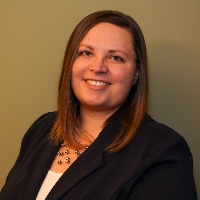
Illinois · 12 yrs exp
Works with Stress, Anxiety / Trauma and abuse / Parenting +13
Works by Client-Centered Therapy / Cognitive Behavioral Therapy (CBT)
View Profile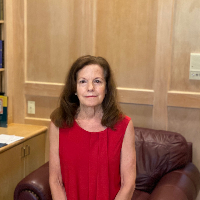
Massachusetts · 25 yrs exp
Works with Stress, Anxiety / Relationship / Family +15
Works by Attachment-Based Therapy / Client-Centered Therapy
View Profile
Texas · 25 yrs exp
Works with Stress, Anxiety / Family / Intimacy-related issues +16
Works by Attachment-Based Therapy / Client-Centered Therapy
View Profile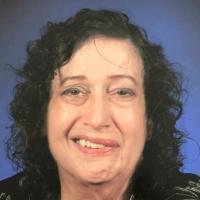
Florida · 30 yrs exp
Works with Stress, Anxiety / Grief / Anger +16
Works by Cognitive Behavioral Therapy (CBT) / Solution-Focused Therapy
View Profile
Indiana · 8 yrs exp
Works with Stress, Anxiety / Addictions / Family +16
Works by Acceptance and Commitment Therapy (ACT) / Attachment-Based Therapy
View Profile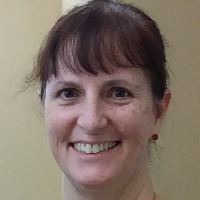
Florida · 32 yrs exp
Works with Stress, Anxiety / Addictions / Relationship +14
Works by Attachment-Based Therapy / Client-Centered Therapy
View Profile
Florida · 20 yrs exp
Works with Addictions / Relationship / Trauma and abuse +15
Works by Acceptance and Commitment Therapy (ACT) / Attachment-Based Therapy
View Profile
Virginia · 31 yrs exp
Works with Stress, Anxiety / Relationship / Family +13
Works by Attachment-Based Therapy / Client-Centered Therapy
View Profile
Florida · 17 yrs exp
Works with Stress, Anxiety / Trauma and abuse / Eating +15
Works by Acceptance and Commitment Therapy (ACT) / Client-Centered Therapy
View Profile
Mississippi · 25 yrs exp
Works with Stress, Anxiety / Relationship / Family +16
Works by Acceptance and Commitment Therapy (ACT) / Client-Centered Therapy
View Profile
Georgia · 25 yrs exp
Works with Stress, Anxiety / Parenting / Anger +16
Works by Attachment-Based Therapy / Client-Centered Therapy
View Profile
Florida · 14 yrs exp
Works with Stress, Anxiety / Trauma and abuse / Grief +14
Works by Cognitive Behavioral Therapy (CBT) / Dialectical Behavior Therapy (DBT)
View Profile
Florida · 24 yrs exp
Works with Stress, Anxiety / Addictions / Grief +15
Works by Acceptance and Commitment Therapy (ACT) / Client-Centered Therapy
View Profile
Illinois · 20 yrs exp
Works with Stress, Anxiety / Grief / Self esteem +12
Works by Client-Centered Therapy / Cognitive Behavioral Therapy (CBT)
View Profile
Louisiana · 10 yrs exp
Works with Stress, Anxiety / Trauma and abuse / Anger +13
Works by Attachment-Based Therapy / Client-Centered Therapy
View Profile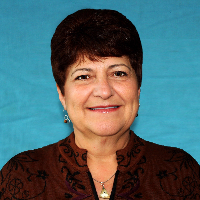
Alaska · 11 yrs exp
Works with Stress, Anxiety / Relationship / Family +10
Works by Client-Centered Therapy / Cognitive Behavioral Therapy (CBT)
View Profile
Ohio · 17 yrs exp
Works with Stress, Anxiety / Family / Parenting +13
Works by Attachment-Based Therapy / Client-Centered Therapy
View Profile
Arkansas · 44 yrs exp
Works with Stress, Anxiety / Trauma and abuse / Grief +17
Works by Acceptance and Commitment Therapy (ACT) / Client-Centered Therapy
View Profile
Michigan · 31 yrs exp
Works with Stress, Anxiety / Family / Trauma and abuse +17
Works by Attachment-Based Therapy / Client-Centered Therapy
View Profile
Florida · 33 yrs exp
Works with Stress, Anxiety / LGBT / Relationship +9
Works by Client-Centered Therapy / Cognitive Behavioral Therapy (CBT)
View Profile
North Carolina · 16 yrs exp
Works with Stress, Anxiety / Addictions / Trauma and abuse +14
Works by Acceptance and Commitment Therapy (ACT) / Client-Centered Therapy
View Profile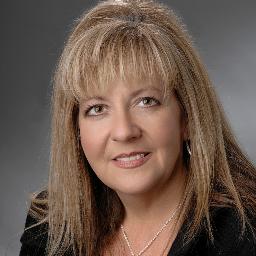
Kansas · 17 yrs exp
Works with Stress, Anxiety / Relationship / Family +11
Works by Attachment-Based Therapy / Client-Centered Therapy
View Profile
New York · 18 yrs exp · 3 languages
Works with Stress, Anxiety / Relationship / Parenting +2
View Profile
Missouri · 17 yrs exp
Works with Stress, Anxiety / Addictions / Relationship +10
Works by Attachment-Based Therapy / Client-Centered Therapy
View Profile
Texas · 11 yrs exp · 2 languages
Works with Stress, Anxiety / Anger / Self esteem +9
Works by Acceptance and Commitment Therapy (ACT) / Client-Centered Therapy
View Profile
Wyoming · 14 yrs exp
Works with Addictions / Relationship / Depression +12
Works by Client-Centered Therapy / Cognitive Behavioral Therapy (CBT)
View Profile
New York · 25 yrs exp · 2 languages
Works with Stress, Anxiety / Grief / Anger +7
Works by Client-Centered Therapy / Cognitive Behavioral Therapy (CBT)
View Profile
Texas · 26 yrs exp
Works with Stress, Anxiety / Relationship / Trauma and abuse +12
Works by Client-Centered Therapy / Cognitive Behavioral Therapy (CBT)
View Profile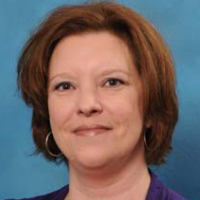
Michigan · 13 yrs exp
Works with Stress, Anxiety / Addictions / Trauma and abuse +17
Works by Acceptance and Commitment Therapy (ACT) / Client-Centered Therapy
View Profile
Texas · 20 yrs exp
Works with Stress, Anxiety / Relationship / Family +14
Works by Attachment-Based Therapy / Client-Centered Therapy
View Profile
Florida · 20 yrs exp
Works with Stress, Anxiety / Relationship / Grief +2
Works by Acceptance and Commitment Therapy (ACT) / Attachment-Based Therapy
View ProfileSelf esteem refers to the sense you have of your own worth and competence. It shapes how you view your strengths, interpret setbacks, and relate to others. When your self esteem is steady, you are more likely to take measured risks, set boundaries, and bounce back from criticism. When it is low or unstable, you may find yourself doubting decisions, craving approval, or avoiding opportunities that could lead to personal growth. Self esteem is influenced by life experiences, relationships, cultural messages, and internalized beliefs about what you deserve. It is not a fixed trait - it can change over time and can be strengthened through focused work.
Because self esteem affects many parts of daily life, it often shows up in areas like work, social relationships, romantic partnerships, and parenting. You might notice it as a pattern of harsh self-talk, persistent comparison to others, or a tendency to minimize your achievements. Understanding the role self esteem plays in your life is a helpful first step toward making practical changes that feel meaningful and sustainable.
You might consider therapy when feelings about yourself start to get in the way of the life you want to lead. If you repeatedly feel unworthy despite evidence to the contrary, if criticism or perceived rejection triggers intense self-blame, or if you find it difficult to accept compliments, working with a therapist can help you identify underlying patterns. People who struggle with perfectionism, chronic people-pleasing, or avoidance of new challenges often find that self esteem work addresses those behaviors at their roots. You may also seek support when negative self-beliefs follow traumatic experiences, long-term relationship dynamics, or persistent anxiety and depression.
Therapy is not only for moments of crisis. You can also pursue therapy to build resilience, develop a more compassionate relationship with yourself, and learn skills that support healthier decision-making. If you notice you retreat from opportunities that could expand your life, or if you frequently defer to others even when your needs are legitimate, these are practical indicators that focused self esteem work could be beneficial.
The early sessions typically involve discussing the areas where you feel stuck and setting goals that matter to you. You and your therapist will talk about patterns in your thinking and behavior, significant life events that shaped your self-view, and what a healthier sense of self would look like in your daily life. Therapy for self esteem tends to be collaborative - your therapist will aim to understand your experience and help you identify achievable steps forward.
In-session work often combines reflective conversation with practical exercises. You may be invited to track thought patterns, practice new ways of speaking to yourself, or experiment with boundary-setting in relationships. Sessions can include role-playing to rehearse difficult conversations, imagery exercises to access more positive self-feelings, and behavioral experiments to test new beliefs. Homework between sessions is common because small, repeated actions help rebuild self-assurance over time.
Progress is rarely linear, and your therapist will expect setbacks as part of the process. You will likely notice small shifts first - feeling slightly more assertive, accepting a compliment without deflecting it, or attempting a task you would have avoided before. Over months of consistent work those small changes can accumulate into a broader sense of competence and self-respect. Therapy for self esteem is tailored to your pace and priorities, with attention to both immediate relief and long-term growth.
A range of therapeutic approaches can support improvements in self esteem. Cognitive behavioral methods focus on identifying and challenging unhelpful thoughts about yourself, and practicing alternative ways of interpreting events. Psychodynamic perspectives explore how early relationships and internalized messages shaped your self-view, helping you reframe long-standing narratives. Mindfulness and acceptance-based approaches help you notice critical self-talk without getting swept into it, and build skills for responding with intention rather than reactivity.
Other approaches emphasize emotional processing and self-compassion. Therapists who list compassion-focused techniques among their approaches work on fostering a kinder inner voice and reducing shame-based responses. Narrative-oriented work helps you rewrite the stories you tell about who you are and what you can do. Some clinicians include experiential or body-centered methods to help you reconnect with a more grounded sense of self. Because therapy styles vary, you may find that a particular blend of approaches resonates more strongly with you.
When reviewing therapist profiles, look for descriptions that explain how they apply their methods to self esteem concerns rather than assuming specific credentials. Many therapists describe the kinds of interventions they use and the goals they emphasize, which can help you find someone whose approach aligns with your preferences.
Online therapy typically takes place through video sessions, phone calls, or text-based messaging systems, allowing you to meet with a therapist from a location that feels comfortable for you. For work on self esteem, remote sessions can be especially practical because they make it easier to schedule consistent appointments and to practice new skills between sessions in your daily environment. Therapists may incorporate screen-sharing to review worksheets, send exercises by email, or assign short tasks to try outside of sessions to reinforce learning.
When choosing a clinician for self esteem work, notice how they describe their approach to self worth, whether they emphasize skill-building, emotional processing, or a combination. Consider their stated focus areas, experience with similar concerns, and the languages they offer if that is important to you. Read profiles for clues about their therapeutic style - some clinicians emphasize practical tools and structure, while others highlight reflective exploration and relational healing. You might prefer someone who talks explicitly about working on shame, perfectionism, or assertiveness, depending on what you most want to address.
Think about what makes you feel comfortable in a helping relationship. Some people value warmth and direct feedback, while others want a calm, exploratory approach. Pay attention to how a therapist communicates in their profile and initial outreach messages, and choose someone whose tone and stated values align with your expectations for change. It is also reasonable to consider logistical factors like session length, meeting format, and whether the clinician lists experience with life stages or identity issues relevant to you. Those elements can influence how effectively you can work together toward healthier self esteem.
Working on self esteem is often a gradual, deeply personal journey. With thoughtful selection of an approach and a clinician who resonates with your goals, therapy can give you tools to change limiting beliefs, practice new behaviors, and develop a more balanced, compassionate view of yourself. Use the listings on this page to explore therapists who list self esteem as a focus and read profiles to find an approach that feels right for you.
Alabama
44 therapists
Alaska
6 therapists
Arizona
45 therapists
Arkansas
19 therapists
Australia
125 therapists
California
219 therapists
Colorado
66 therapists
Connecticut
19 therapists
Delaware
7 therapists
District of Columbia
2 therapists
Florida
404 therapists
Georgia
85 therapists
Hawaii
13 therapists
Idaho
24 therapists
Illinois
99 therapists
Indiana
60 therapists
Iowa
22 therapists
Kansas
30 therapists
Kentucky
47 therapists
Louisiana
68 therapists
Maine
14 therapists
Maryland
35 therapists
Massachusetts
36 therapists
Michigan
128 therapists
Minnesota
37 therapists
Mississippi
31 therapists
Missouri
84 therapists
Montana
20 therapists
Nebraska
24 therapists
Nevada
17 therapists
New Hampshire
13 therapists
New Jersey
85 therapists
New Mexico
15 therapists
New York
155 therapists
North Carolina
130 therapists
North Dakota
4 therapists
Ohio
84 therapists
Oklahoma
53 therapists
Oregon
22 therapists
Pennsylvania
120 therapists
Rhode Island
7 therapists
South Carolina
52 therapists
South Dakota
10 therapists
Tennessee
58 therapists
Texas
332 therapists
United Kingdom
1261 therapists
Utah
38 therapists
Vermont
8 therapists
Virginia
53 therapists
Washington
40 therapists
West Virginia
18 therapists
Wisconsin
59 therapists
Wyoming
13 therapists