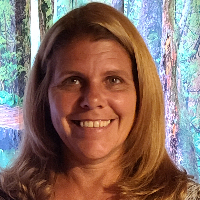
About Amanda
Amanda Polk is a licensed social worker who brings ten years of clinical experience to her practice. She holds the LISW-CP credential and offers approachable, practical support for people dealing with anxiety, stress, depression, trauma, and relationship concerns. Amanda focuses on building a steady, respectful connection with each person who reaches out.
Sessions aim to identify what feels most urgent, set clear goals, and develop everyday skills that make life more manageable.
Background and approach
She uses straightforward tools rather than jargon so people can try techniques between sessions. Her background includes work with veterans and involvement in foster care and child advocacy roles. Those experiences shape a down-to-earth style and an understanding of how life events affect mood, behavior, and safety.
Amanda pays attention to how trauma shows up in daily routines and relationships. In sessions she blends client-centered listening with cognitive behavioral and dialectical strategies. Mindfulness and trauma-focused methods are also part of her toolbox, especially when memories or panic symptoms cause distress.
The aim is to reduce symptoms and increase coping options that fit each person’s life. Amanda offers video, phone, chat, and messaging sessions from South Carolina and speaks English. She accepts international clients and works with people who want concrete steps for phobias, panic, mood disorders, self-harm thoughts, and other concerns.
How therapeutic approaches translate online
Amanda uses cognitive behavioral therapy to help identify unhelpful thought patterns and to practice different behaviors that reduce anxiety and panic. CBT is practical and focuses on small experiments people can try between sessions to see what helps.She also uses dialectical behavior therapy to teach emotion regulation, distress tolerance, and clearer communication skills. DBT techniques are useful when strong emotions or impulsivity get in the way of daily life or relationships.
Choosing the right approach is a collaborative process. The therapist will talk with each person about goals, preferences, and what feels most manageable. Together they decide which methods to try and adjust the plan as progress is made.
Online sessions are offered by video calls, phone sessions, live chat, or text-based messaging to offer flexibility. Video is helpful for face-to-face conversation and skill demonstrations. Phone sessions work well when bandwidth is limited or when someone prefers not to be on camera. Live chat and messaging are useful for brief check-ins, homework support, or when a written format feels easier. These options make it simpler to fit therapy into work, travel, or a busy home life.
Questions people ask
What concerns does she help with?
What is her therapeutic style?
How much clinical experience does she have?
What credential does she hold and where is she based?
Can people who live outside the US work with her?
Which session formats are available?
How does pricing work?
What are the first steps to begin therapy?
What this therapist works with
Most often
- Stress, Anxiety
- Relationship issues
- Family conflicts
Also listed
- Adoption and foster care
- Depression
- Dissociation
- First responder issues
- Forgiveness
- Guilt and shame
- Impulsivity
- Life purpose
- Mood disorders
- Panic disorder and panic attacks
- Personality disorders
- Phobias
- Post-traumatic stress
- Self-harm
- Self-love
- Social anxiety and phobia
- Trauma and abuse
- Trichotillomania
- Veteran and Armed Forces Issues
Therapeutic approaches
- Experience
- 10 years
- Licensed
- South Carolina
- Languages
- English
We will earn a commission if you sign up through our link, at no cost to you.