
Velma Jones, LCSW
New York · 29 yrs exp
Works with Stress, Anxiety / Relationship / Trauma and abuse +11
Works by Attachment-Based Therapy / Client-Centered Therapy
View ProfileOn this page you'll find therapists who focus on first responder issues, including trauma response, chronic stress, and occupational impacts. Browse the listings below to review clinicians' focus areas, approaches, credentials and languages to find a good match.
New York · 29 yrs exp
Works with Stress, Anxiety / Relationship / Trauma and abuse +11
Works by Attachment-Based Therapy / Client-Centered Therapy
View Profile
North Carolina · 25 yrs exp
Works with Stress, Anxiety / Relationship / Family +16
Works by Attachment-Based Therapy / Client-Centered Therapy
View Profile
North Carolina · 30 yrs exp · 2 languages
Works with Relationship / Parenting / Anger +6
Works by Cognitive Behavioral Therapy (CBT) / Mindfulness Therapy
View Profile
California · 14 yrs exp
Works with Stress, Anxiety / Relationship / Family +10
Works by Attachment-Based Therapy / Client-Centered Therapy
View Profile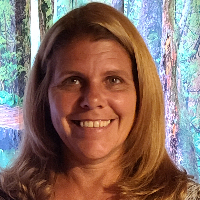
South Carolina · 10 yrs exp
Works with Stress, Anxiety / Relationship / Family +2
Works by Client-Centered Therapy / Cognitive Behavioral Therapy (CBT)
View Profile
Colorado · 11 yrs exp
Works with Stress, Anxiety / LGBT / Trauma and abuse +16
Works by Acceptance and Commitment Therapy (ACT) / Client-Centered Therapy
View Profile
Illinois · 12 yrs exp
Works with Stress, Anxiety / Trauma and abuse / Parenting +13
Works by Client-Centered Therapy / Cognitive Behavioral Therapy (CBT)
View Profile
Indiana · 8 yrs exp
Works with Stress, Anxiety / Addictions / Family +16
Works by Acceptance and Commitment Therapy (ACT) / Attachment-Based Therapy
View Profile
Florida · 32 yrs exp
Works with Stress, Anxiety / Addictions / Relationship +14
Works by Attachment-Based Therapy / Client-Centered Therapy
View Profile
Florida · 20 yrs exp
Works with Addictions / Relationship / Trauma and abuse +15
Works by Acceptance and Commitment Therapy (ACT) / Attachment-Based Therapy
View Profile
Virginia · 31 yrs exp
Works with Stress, Anxiety / Relationship / Family +13
Works by Attachment-Based Therapy / Client-Centered Therapy
View Profile
Florida · 24 yrs exp
Works with Stress, Anxiety / Addictions / Grief +15
Works by Acceptance and Commitment Therapy (ACT) / Client-Centered Therapy
View Profile
Arkansas · 44 yrs exp
Works with Stress, Anxiety / Trauma and abuse / Grief +17
Works by Acceptance and Commitment Therapy (ACT) / Client-Centered Therapy
View Profile
Michigan · 31 yrs exp
Works with Stress, Anxiety / Family / Trauma and abuse +17
Works by Attachment-Based Therapy / Client-Centered Therapy
View Profile
Florida · 33 yrs exp
Works with Stress, Anxiety / LGBT / Relationship +9
Works by Client-Centered Therapy / Cognitive Behavioral Therapy (CBT)
View Profile
North Carolina · 16 yrs exp
Works with Stress, Anxiety / Addictions / Trauma and abuse +14
Works by Acceptance and Commitment Therapy (ACT) / Client-Centered Therapy
View Profile
Wyoming · 14 yrs exp
Works with Addictions / Relationship / Depression +12
Works by Client-Centered Therapy / Cognitive Behavioral Therapy (CBT)
View Profile
New York · 25 yrs exp · 2 languages
Works with Stress, Anxiety / Grief / Anger +7
Works by Client-Centered Therapy / Cognitive Behavioral Therapy (CBT)
View Profile
Texas · 26 yrs exp
Works with Stress, Anxiety / Relationship / Trauma and abuse +12
Works by Client-Centered Therapy / Cognitive Behavioral Therapy (CBT)
View Profile
Michigan · 13 yrs exp
Works with Stress, Anxiety / Addictions / Trauma and abuse +17
Works by Acceptance and Commitment Therapy (ACT) / Client-Centered Therapy
View Profile
Texas · 20 yrs exp
Works with Stress, Anxiety / Relationship / Family +14
Works by Attachment-Based Therapy / Client-Centered Therapy
View Profile
Florida · 20 yrs exp
Works with Stress, Anxiety / Relationship / Grief +2
Works by Acceptance and Commitment Therapy (ACT) / Attachment-Based Therapy
View Profile
Texas · 18 yrs exp
Works with Stress, Anxiety / Addictions / LGBT +15
Works by Attachment-Based Therapy / Client-Centered Therapy
View Profile
South Carolina · 20 yrs exp
Works with Stress, Anxiety / Relationship / Trauma and abuse +12
Works by Client-Centered Therapy / Cognitive Behavioral Therapy (CBT)
View Profile
North Dakota · 10 yrs exp
Works with Stress, Anxiety / Relationship / Family +11
Works by Acceptance and Commitment Therapy (ACT) / Attachment-Based Therapy
View Profile
New York · 25 yrs exp
Works with Stress, Anxiety / Relationship / Family +16
Works by Acceptance and Commitment Therapy (ACT) / Client-Centered Therapy
View Profile
Kentucky · 15 yrs exp
Works with Stress, Anxiety / Relationship / Parenting +14
Works by Acceptance and Commitment Therapy (ACT) / Attachment-Based Therapy
View Profile
Oklahoma · 9 yrs exp
Works with Stress, Anxiety / Anger / Self esteem +17
Works by Acceptance and Commitment Therapy (ACT) / Attachment-Based Therapy
View Profile
Florida · 35 yrs exp
Works with Stress, Anxiety / Family / Grief +17
Works by Attachment-Based Therapy / Client-Centered Therapy
View Profile
Florida · 19 yrs exp
Works with Stress, Anxiety / Trauma and abuse / Grief +10
Works by Client-Centered Therapy / Cognitive Behavioral Therapy (CBT)
View Profile
Texas · 39 yrs exp
Works with Stress, Anxiety / Relationship / Trauma and abuse +12
Works by Acceptance and Commitment Therapy (ACT) / Attachment-Based Therapy
View Profile
South Carolina · 15 yrs exp
Works with Stress, Anxiety / Trauma and abuse / Anger +14
Works by Acceptance and Commitment Therapy (ACT) / Attachment-Based Therapy
View Profile
Texas · 15 yrs exp
Works with Stress, Anxiety / Addictions / LGBT +12
Works by Acceptance and Commitment Therapy (ACT) / Attachment-Based Therapy
View Profile
Texas · 12 yrs exp
Works with Stress, Anxiety / Addictions / Relationship +15
Works by Acceptance and Commitment Therapy (ACT) / Attachment-Based Therapy
View Profile
Colorado · 15 yrs exp
Works with Stress, Anxiety / Addictions / Trauma and abuse +7
Works by Client-Centered Therapy / Cognitive Behavioral Therapy (CBT)
View Profile
Illinois · 30 yrs exp
Works with Stress, Anxiety / Relationship / Family +13
Works by Acceptance and Commitment Therapy (ACT) / Attachment-Based Therapy
View Profile
Mississippi · 26 yrs exp
Works with Stress, Anxiety / Relationship / Family +11
Works by Client-Centered Therapy / Cognitive Behavioral Therapy (CBT)
View Profile
Wyoming · 26 yrs exp
Works with Stress, Anxiety / Trauma and abuse / Anger +11
Works by Client-Centered Therapy / Cognitive Behavioral Therapy (CBT)
View Profile
Tennessee · 37 yrs exp
Works with Addictions / Family / Grief +10
Works by Client-Centered Therapy / Cognitive Behavioral Therapy (CBT)
View Profile
North Carolina · 5 yrs exp
Works with Stress, Anxiety / Family / Trauma and abuse +16
Works by Attachment-Based Therapy / Client-Centered Therapy
View Profile
Missouri · 8 yrs exp
Works with Stress, Anxiety / Addictions / LGBT +16
Works by Client-Centered Therapy / Cognitive Behavioral Therapy (CBT)
View Profile
Alabama · 41 yrs exp
Works with Stress, Anxiety / Addictions / Trauma and abuse +15
Works by Attachment-Based Therapy / Cognitive Behavioral Therapy (CBT)
View Profile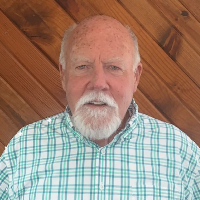
Missouri · 45 yrs exp
Works with Stress, Anxiety / Relationship / Family +16
Works by Client-Centered Therapy / Cognitive Behavioral Therapy (CBT)
View Profile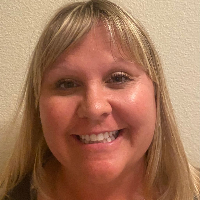
Colorado · 18 yrs exp
Works with Stress, Anxiety / Addictions / Relationship +16
Works by Client-Centered Therapy / Cognitive Behavioral Therapy (CBT)
View Profile
Florida · 5 yrs exp
Works with Stress, Anxiety / LGBT / Trauma and abuse +11
Works by Acceptance and Commitment Therapy (ACT) / Client-Centered Therapy
View Profile
Oklahoma · 25 yrs exp
Works with Stress, Anxiety / Family / Trauma and abuse +16
Works by Client-Centered Therapy / Cognitive Behavioral Therapy (CBT)
View Profile
Kansas · 30 yrs exp
Works with Stress, Anxiety / Trauma and abuse / Sleeping +15
Works by Client-Centered Therapy / Cognitive Behavioral Therapy (CBT)
View Profile
Ohio · 35 yrs exp
Works with Addictions / Trauma and abuse / Self esteem +8
Works by Client-Centered Therapy / Cognitive Behavioral Therapy (CBT)
View ProfileFirst responder issues describe the range of emotional, cognitive and physical effects that can arise from repeated exposure to emergencies, violence, loss and high-pressure decision making. If you work as a firefighter, paramedic, police officer, emergency medical technician, search and rescue responder or in another emergency role, your daily duties may involve experiences that feel intense in the moment and linger afterward. Over time those reactions can shift the way you sleep, the way you relate to family and colleagues, and the way you think about risk and safety.
The impact is not limited to outright trauma. Chronic stress, moral injury, cumulative grief and occupational burnout are common patterns that develop gradually. You may notice changes in concentration, irritability, numbing or a sense of being on edge. Physical symptoms such as headaches, digestive disturbances and trouble sleeping are frequent companions to emotional strain. Recognizing these reactions as related to your work can open the door to options for managing them effectively.
The culture of emergency services often values resilience, quick action and team cohesion. Those strengths can also make it harder to admit when you are struggling or to ask for help. Peers and supervisors play a large role in how concerns are addressed in the workplace, and stigma around mental health can delay care. Therapy offers a setting where you can explore the ways your professional identity intersects with your emotional responses without pressure to perform or conform to expectations.
You might consider seeking support if you notice persistent changes in mood, behavior or functioning that are linked to your work experiences. Some people report repeated intrusive memories, nightmares, flashbacks or strong emotional reactions to reminders of incidents. Others experience ongoing hypervigilance, avoidance of people or places related to calls, and a sense of emotional numbness. If you find it harder to connect with loved ones, if trust is eroding in important relationships, or if alcohol or other coping strategies are becoming more prominent, these are signals that outside help could be useful.
Difficulty concentrating, declining job satisfaction, and physical symptoms that do not respond to routine medical care can also point to work-related stress. You do not need to meet any diagnostic threshold to seek therapy. Many people come for prevention, to learn tools to manage acute stress reactions, or to address the ripple effects of long-term exposure. Therapy can help you clarify goals - whether that means improving sleep, regaining emotional balance, improving family communication, or processing difficult incidents - and work toward them at your own pace.
When you begin therapy for first responder issues, the first sessions typically involve an intake conversation to understand your history, current concerns and what you hope to change. A clinician will ask about your occupational experiences, patterns of response, relationships and any coping methods you use. This initial phase is an opportunity to set goals and decide on a pace that feels manageable given your responsibilities and shift work.
Over time sessions may balance skills-building with processing work-related experiences. Skills can include techniques for stress management, sleep improvement, emotion regulation, grounding and interpersonal communication. Processing might involve exploring the meaning of particular incidents, addressing moral injury and working through intrusive memories or intense emotions. Some clinicians incorporate role-specific strategies that acknowledge the realities of shift schedules, critical incidents and the culture of emergency response. Progress is often gradual, with an emphasis on equipping you to handle future stressors more effectively rather than striving for quick fixes.
Your therapy may include conversations about the impact of your work on family life, parenting and relationships. Some clinicians offer family-focused sessions or consultation about how to explain work-related reactions to partners and children. Others may help you navigate conversations with supervisors or peer support systems while respecting professional boundaries. These steps can help rebuild connection and reduce isolation.
A range of therapeutic approaches is used with people who experience first responder issues. Cognitive behavioral approaches focus on identifying and reshaping unhelpful thinking and behavior patterns that maintain distress. Acceptance and commitment approaches help you clarify values and commit to actions that align with what matters to you despite difficult internal experiences. Mindfulness-informed and stress-reduction practices train attention and bodily regulation, which can be useful when you experience hyperarousal or intrusive thoughts.
Some therapists list EMDR among their approaches for processing distressing memories, noting it as one of several methods they may use. Others offer somatic or body-oriented work that emphasizes how trauma shows up physically. Narrative approaches can help you integrate difficult events into your life story in ways that reduce their ongoing emotional charge. Family systems perspectives consider how occupational stress plays out in relationships and patterns at home. Because therapists differ in the combination of methods they use, you may find it helpful to read profiles that describe both focus areas and approaches so you can choose a clinician whose style fits your needs.
Online therapy has become a practical option for many first responders because it offers flexibility around shift schedules and geographic constraints. Sessions typically take place by video or phone and can replicate much of the structure of in-person work - intake, goal setting, skills training and deeper processing. Some people appreciate the convenience of meeting from a vehicle between shifts, from home, or from another setting that offers a sense of safety. Messaging and brief check-ins are available in some formats as supplements to regular sessions, though depth work usually occurs in real-time meetings.
When choosing a therapist for first responder issues, focus on information you can evaluate now. Look for clinicians who list experience with first responder populations or who explicitly describe work with trauma, burnout or occupational stress. Review the approaches they list so you can select someone whose methods align with your preferences - for example, if you want more skills-based work, or if you prefer an approach that includes body-centered techniques. Consider practical details such as language preferences, professional credentials and session formats so your choice fits your logistical needs.
Before you begin, think about what you want therapy to help you do in the short and long term. Prepare to discuss your work schedule and any safety concerns so your clinician can tailor recommendations. If you are part of a department wellness program or peer support network, you may find it helpful to combine those resources with individual therapy. Remember that rapport matters - you may meet a few clinicians before you find someone whose style and focus feel like a good match. Use the listings below to compare focus areas, approaches, credentials and languages, and reach out to start a conversation about how a clinician would approach your goals.
Therapy for first responder issues is about practical, real-world improvement - reducing the day-to-day burden of stress, rebuilding connections, improving sleep and coping with intense memories. You do not have to navigate these challenges alone, and finding a clinician who understands the occupational context can be an important step toward feeling more grounded and effective both on duty and off.
Alabama
44 therapists
Alaska
6 therapists
Arizona
45 therapists
Arkansas
19 therapists
Australia
125 therapists
California
219 therapists
Colorado
66 therapists
Connecticut
19 therapists
Delaware
7 therapists
District of Columbia
2 therapists
Florida
404 therapists
Georgia
85 therapists
Hawaii
13 therapists
Idaho
24 therapists
Illinois
99 therapists
Indiana
60 therapists
Iowa
22 therapists
Kansas
30 therapists
Kentucky
47 therapists
Louisiana
68 therapists
Maine
14 therapists
Maryland
35 therapists
Massachusetts
36 therapists
Michigan
128 therapists
Minnesota
37 therapists
Mississippi
31 therapists
Missouri
84 therapists
Montana
20 therapists
Nebraska
24 therapists
Nevada
17 therapists
New Hampshire
13 therapists
New Jersey
85 therapists
New Mexico
15 therapists
New York
155 therapists
North Carolina
130 therapists
North Dakota
4 therapists
Ohio
84 therapists
Oklahoma
53 therapists
Oregon
22 therapists
Pennsylvania
120 therapists
Rhode Island
7 therapists
South Carolina
52 therapists
South Dakota
10 therapists
Tennessee
58 therapists
Texas
332 therapists
United Kingdom
1261 therapists
Utah
38 therapists
Vermont
8 therapists
Virginia
53 therapists
Washington
40 therapists
West Virginia
18 therapists
Wisconsin
59 therapists
Wyoming
13 therapists