
Evalee Smith, LISW, LCSW, CSW
Georgia · 25 yrs exp
Works with Stress, Anxiety / Parenting / Anger +16
Works by Attachment-Based Therapy / Client-Centered Therapy
View ProfileWelcome to a directory of licensed online therapists who serve Georgia residents. All therapists listed here hold an active Georgia license. Explore the profiles below to compare approaches, languages, and areas of focus that may fit your needs.
Georgia · 25 yrs exp
Works with Stress, Anxiety / Parenting / Anger +16
Works by Attachment-Based Therapy / Client-Centered Therapy
View Profile
Georgia · 9 yrs exp
Works with Stress, Anxiety / Anger / Self esteem +12
Works by Acceptance and Commitment Therapy (ACT) / Cognitive Behavioral Therapy (CBT)
View Profile
Georgia · 25 yrs exp
Works with Stress, Anxiety / Trauma and abuse / Grief +14
Works by Attachment-Based Therapy / Client-Centered Therapy
View Profile
Georgia · 20 yrs exp
Works with Stress, Anxiety / Relationship / Career +14
Works by Acceptance and Commitment Therapy (ACT) / Attachment-Based Therapy
View Profile
Georgia · 11 yrs exp
Works with Stress, Anxiety / Addictions / Family +14
Works by Client-Centered Therapy / Cognitive Behavioral Therapy (CBT)
View Profile
Georgia · 15 yrs exp
Works with Stress, Anxiety / Relationship / Family +17
Works by Acceptance and Commitment Therapy (ACT) / Attachment-Based Therapy
View Profile
Georgia · 8 yrs exp
Works with Stress, Anxiety / Addictions / Trauma and abuse +5
Works by Acceptance and Commitment Therapy (ACT) / Attachment-Based Therapy
View Profile
Georgia · 41 yrs exp
Works with Addictions / Relationship / Family +13
Works by Client-Centered Therapy / Cognitive Behavioral Therapy (CBT)
View Profile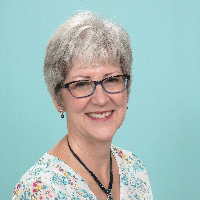
Georgia · 9 yrs exp
Works with Stress, Anxiety / Grief / Self esteem +13
Works by Acceptance and Commitment Therapy (ACT) / Client-Centered Therapy
View Profile
Georgia · 11 yrs exp
Works with Stress, Anxiety / Relationship / Trauma and abuse +11
Works by Client-Centered Therapy / Cognitive Behavioral Therapy (CBT)
View Profile
Georgia · 10 yrs exp
Works with Stress, Anxiety / Relationship / Grief +11
Works by Acceptance and Commitment Therapy (ACT) / Client-Centered Therapy
View Profile
Georgia · 20 yrs exp
Works with Stress, Anxiety / Addictions / Family +14
Works by Acceptance and Commitment Therapy (ACT) / Attachment-Based Therapy
View Profile
Georgia · 8 yrs exp
Works with Family / Intimacy-related issues / Parenting +12
Works by Client-Centered Therapy / Cognitive Behavioral Therapy (CBT)
View Profile
Georgia · 18 yrs exp
Works with Stress, Anxiety / Addictions / Trauma and abuse +14
Works by Client-Centered Therapy / Cognitive Behavioral Therapy (CBT)
View Profile
Georgia · 18 yrs exp
Works with Stress, Anxiety / Relationship / Family +11
Works by Client-Centered Therapy / Cognitive Behavioral Therapy (CBT)
View Profile
Georgia · 12 yrs exp
Works with Stress, Anxiety / Depression / Coping with life changes +12
Works by Cognitive Behavioral Therapy (CBT) / Dialectical Behavior Therapy (DBT)
View Profile
Georgia · 22 yrs exp
Works with Stress, Anxiety / Addictions / Trauma and abuse +12
Works by Attachment-Based Therapy / Cognitive Behavioral Therapy (CBT)
View Profile
Georgia · 16 yrs exp
Works with Stress, Anxiety / Addictions / Trauma and abuse +10
Works by Client-Centered Therapy / Cognitive Behavioral Therapy (CBT)
View Profile
Georgia · 15 yrs exp
Works with Stress, Anxiety / Relationship / Family +13
Works by Acceptance and Commitment Therapy (ACT) / Client-Centered Therapy
View Profile
Georgia · 20 yrs exp
Works with Stress, Anxiety / Relationship / Grief +6
Works by Client-Centered Therapy / Cognitive Behavioral Therapy (CBT)
View Profile
Georgia · 36 yrs exp · 3 languages
Works with Stress, Anxiety / Family / Trauma and abuse +14
Works by Client-Centered Therapy / Cognitive Behavioral Therapy (CBT)
View Profile
Georgia · 8 yrs exp
Works with Stress, Anxiety / Addictions / Family +14
Works by Client-Centered Therapy / Cognitive Behavioral Therapy (CBT)
View Profile
Georgia · 30 yrs exp
Works with Stress, Anxiety / Relationship / Grief +11
Works by Cognitive Behavioral Therapy (CBT) / Solution-Focused Therapy
View Profile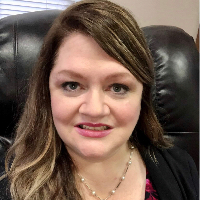
Georgia · 27 yrs exp
Works with Stress, Anxiety / Trauma and abuse / Bipolar +17
Works by Acceptance and Commitment Therapy (ACT) / Attachment-Based Therapy
View Profile
Georgia · 25 yrs exp
Works with Stress, Anxiety / Family / Trauma and abuse +13
Works by Client-Centered Therapy / Cognitive Behavioral Therapy (CBT)
View Profile
Georgia · 16 yrs exp
Works with Stress, Anxiety / LGBT / Relationship +16
Works by Acceptance and Commitment Therapy (ACT) / Attachment-Based Therapy
View Profile
Georgia · 20 yrs exp
Works with Relationship / Family / Grief +16
Works by Client-Centered Therapy / Cognitive Behavioral Therapy (CBT)
View Profile
Georgia · 8 yrs exp
Works with Stress, Anxiety / Trauma and abuse / Anger +9
Works by Client-Centered Therapy / Cognitive Behavioral Therapy (CBT)
View Profile
Georgia · 13 yrs exp
Works with Stress, Anxiety / Addictions / LGBT +17
View Profile
Georgia · 3 yrs exp
Works with Stress, Anxiety / Addictions / Relationship +17
Works by Acceptance and Commitment Therapy (ACT) / Attachment-Based Therapy
View Profile
Georgia · 13 yrs exp
Works with Stress, Anxiety / Addictions / Trauma and abuse +16
Works by Client-Centered Therapy / Cognitive Behavioral Therapy (CBT)
View Profile
Georgia · 10 yrs exp
Works with Stress, Anxiety / Parenting / Self esteem +11
Works by Cognitive Behavioral Therapy (CBT) / Motivational Interviewing
View Profile
Georgia · 28 yrs exp
Works with Stress, Anxiety / Self esteem / Depression +10
View Profile
Georgia · 7 yrs exp
Works with Stress, Anxiety / Addictions / Relationship +9
Works by Acceptance and Commitment Therapy (ACT) / Attachment-Based Therapy
View Profile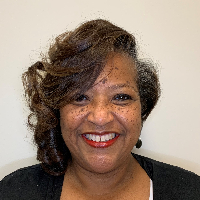
Georgia · 16 yrs exp
Works with Stress, Anxiety / LGBT / Relationship +15
Works by Client-Centered Therapy / Cognitive Behavioral Therapy (CBT)
View Profile
Georgia · 23 yrs exp
Works with Family / Trauma and abuse / Grief +14
Works by Acceptance and Commitment Therapy (ACT) / Attachment-Based Therapy
View Profile
Georgia · 10 yrs exp
Works with Stress, Anxiety / Trauma and abuse / Self esteem +15
Works by Client-Centered Therapy / Cognitive Behavioral Therapy (CBT)
View Profile
Georgia · 38 yrs exp
Works with Stress, Anxiety / Addictions / Relationship +14
Works by Client-Centered Therapy / Cognitive Behavioral Therapy (CBT)
View Profile
Georgia · 25 yrs exp
Works with Stress, Anxiety / Addictions / Relationship +16
Works by Acceptance and Commitment Therapy (ACT) / Client-Centered Therapy
View Profile
Georgia · 8 yrs exp
Works with Stress, Anxiety / Addictions / Trauma and abuse +16
Works by Client-Centered Therapy / Cognitive Behavioral Therapy (CBT)
View Profile
Georgia · 24 yrs exp
Works with Stress, Anxiety / Relationship / Self esteem +16
Works by Client-Centered Therapy / Cognitive Behavioral Therapy (CBT)
View Profile
Georgia · 7 yrs exp
Works with Addictions / Relationship / Family +16
Works by Acceptance and Commitment Therapy (ACT) / Attachment-Based Therapy
View Profile
Georgia · 25 yrs exp
Works with Stress, Anxiety / Family / Grief +10
Works by Acceptance and Commitment Therapy (ACT) / Client-Centered Therapy
View Profile
Georgia · 9 yrs exp
Works with Stress, Anxiety / Addictions / Trauma and abuse +16
Works by Acceptance and Commitment Therapy (ACT) / Client-Centered Therapy
View Profile
Georgia · 19 yrs exp
Works with Relationship / Trauma and abuse / Parenting +16
Works by Cognitive Behavioral Therapy (CBT) / Dialectical Behavior Therapy (DBT)
View Profile
Georgia · 20 yrs exp
Works with Stress, Anxiety / Addictions / LGBT +14
Works by Acceptance and Commitment Therapy (ACT) / Attachment-Based Therapy
View Profile
Georgia · 30 yrs exp
Works with Relationship / Intimacy-related issues / Self esteem +10
Works by Cognitive Behavioral Therapy (CBT) / Gottman Method
View Profile
Georgia · 25 yrs exp
Works with Stress, Anxiety / Sleeping / Self esteem +11
Works by Client-Centered Therapy / Motivational Interviewing
View ProfileIf you live in Georgia and are considering online therapy, you will find a growing number of clinicians offering services via video and phone. Online therapy in Georgia operates within the same licensing framework as in-person practice, so therapists who work remotely still hold a Georgia-issued license or are otherwise approved to provide services in the state. The landscape includes clinicians with different professional credentials - such as licensed professional counselors, social workers, marriage and family therapists, and psychologists - and each license type has its own scope of practice and regulatory oversight.
You should expect to see a wide range of approaches described in profiles, from cognitive behavioral therapy to psychodynamic or trauma-informed care. When profiles list specific methods, that indicates the clinician's stated approaches rather than a formal guarantee of specialized certification. Online therapy is offered in a variety of formats, including single-session consultations, ongoing weekly sessions, and adjunctive support that complements other forms of care. Since rules and technology evolve, the ways services are delivered in 2026 may look different from what you remember - platforms can update, and practitioners adapt their workflows to meet client needs within state regulations.
One of the most immediate benefits you will notice is convenience. If you live in a rural area of Georgia or in a city with limited local options in your preferred language or therapeutic approach, online sessions can expand the pool of clinicians you can work with. That means you may be able to connect with someone who lists specialty experience in working with teens, veterans, parents, or people managing chronic stress without having to travel long distances.
Online therapy also tends to offer scheduling flexibility. You may find appointment times that better fit your work hours, caregiving responsibilities, or school schedule because clinicians can blend remote and in-person workflows. For people who travel within the state frequently or need continuity of care during life transitions, remote sessions can make it easier to maintain progress and keep ongoing therapeutic momentum.
For many people, online therapy can reduce barriers to care. If mobility, transportation, or local mobility constraints make in-person visits difficult, remote sessions can be easier to attend. Clinicians often note the languages they speak and communication accommodations they provide, so you can look for a therapist who lists the language you prefer or experience with particular communication needs. Those practical match points matter as much as theoretical orientation when you are seeking a good fit.
Online therapists address a broad range of concerns that mirror in-person practice. You can expect clinicians to work with individuals on anxiety and panic, mood concerns such as depression, relationship and family issues, stress related to work or caregiving, life transitions, and grief. Many therapists also list experience helping people with trauma-related symptoms, behavioral concerns in adolescents, and adjustment issues connected to health problems or relocation.
When reading profiles, note how clinicians describe their focus areas. Some therapists emphasize short-term symptom reduction and skills-based strategies, while others highlight longer-term exploration of patterns and relationships. If a profile mentions approaches such as cognitive behavioral therapy, acceptance and commitment therapy, or somatic-informed work, understand that these descriptions reflect the therapist's stated orientation and ways of working. If you have a specific concern - for example, parenting support or managing performance anxiety - look for therapists who explicitly list those focal areas so you can gauge whether their experience aligns with your priorities.
It is important to confirm that any clinician you consider holds an active license to practice in Georgia. You can verify licensure through official state resources by using the online license lookup or verification tool maintained by Georgia's professional licensing authority. That lookup will usually display the license type, issue and expiration dates, and whether any disciplinary actions are recorded. If a profile includes a license number, you can use that to search the state database. If not, searching by the clinician's full name and professional designation typically returns the same information.
When you check a license record, pay attention to the license category - such as LPC, LCSW, LMFT, or psychologist designation - and confirm it matches the credentials listed in the therapist's profile. You may also want to review any public disciplinary history and the license status. If you have questions about what you find, state boards often provide contact information for further inquiries. Verifying licensure helps you confirm that the clinician meets Georgia's regulatory requirements to provide care within the state.
Start by clarifying what you hope to get from therapy. Are you looking for short-term skills to manage anxiety, ongoing support for relationship challenges, or help navigating grief or career change? Once you know your priorities, use profile filters to narrow the list by approach, languages spoken, and areas of focus. Reading several profiles will give you a sense of how clinicians describe their work and whether their style resonates with you.
Credentials and licensure are important, but fit also includes interpersonal factors. Look for language in profiles that describes the therapist's stance - do they emphasize collaborative problem solving, gentle exploration, or structured skills training? You may prefer a clinician who explicitly mentions working with people at your life stage or with similar challenges. Notice whether a profile mentions cultural competence, experience with specific populations, or bilingual services if those factors matter to you.
Before scheduling, check practical details that affect the experience. Confirm how the clinician conducts telehealth sessions - whether via video or phone - and any technical requirements they list. Review information about fees and insurance to understand cost expectations. Consider whether you prefer a clinician who lists experience coordinating with medical providers or who outlines typical session length and frequency. If a therapist's profile raises questions, you can reach out with a brief message to ask about their approach to your specific concern and whether they have experience working with similar issues.
Choosing a therapist is a personal process and it is normal to explore a few profiles before you find someone who feels like a fit. Trust your initial impressions while also allowing some time for relationship building if you decide to begin sessions. Many people find that a short exploratory period helps them determine whether a therapist's style and focus align with their goals.
Once you select a therapist, the first sessions typically involve intake and assessment. You can expect to discuss your reasons for seeking therapy, relevant personal history, and immediate goals. The clinician will usually explain their approach and the practical aspects of how they work online - for example, session length, scheduling norms, and how they handle emergencies or referrals if more intensive care is needed. If you have preferences about communication style, homework or exercises between sessions, or session pacing, mention them early so the clinician can adapt their approach accordingly.
It is helpful to prepare some questions in advance, such as how the therapist measures progress, what a typical session looks like, and how they incorporate different therapeutic techniques. Being transparent about your priorities and concerns will help you and the clinician establish clear goals and expectations. Remember that building rapport takes time and that you have the right to change course if a therapist's approach does not align with what you need. Trust the process and use the directory as a tool to explore profiles and reach out to clinicians who describe experience and approaches that match your goals.
Finding the right online therapist in Georgia involves balancing credentials, approach, and interpersonal fit. By verifying licensure, reading profiles carefully, and prioritizing what matters most to you, you can identify clinicians who match your needs and begin a therapeutic process that supports your goals.
Addictions
2832 therapists
ADHD
2594 therapists
Anger
3243 therapists
Bipolar
2460 therapists
Chronic Illness
1986 therapists
Chronic Pain
1986 therapists
Compulsion
3196 therapists
Control Issues
3242 therapists
Depression
4153 therapists
Disaster Relief Therapy
2093 therapists
Dissociation
1844 therapists
Domestic Violence
2496 therapists
Eating Disorders
1776 therapists
Gambling
1952 therapists
Grief
3466 therapists
Guilt and Shame
3844 therapists
Impulsivity
2895 therapists
Intimacy Issues
2599 therapists
Isolation / Loneliness
3749 therapists
Midlife Crisis
2921 therapists
Mood Disorders
3398 therapists
Obsession
3196 therapists
OCD
3196 therapists
Panic Disorder and Panic Attacks
3732 therapists
Phobias
4454 therapists
Post-Traumatic Stress
3578 therapists
Postpartum Depression
2172 therapists
Seasonal Affective Disorder (SAD)
2789 therapists
Self Esteem
3949 therapists
Self-Harm
2785 therapists
Sexual Trauma
2483 therapists
Sleeping Disorders
1992 therapists
Social Anxiety and Phobia
4090 therapists
Stress & Anxiety
4352 therapists
Trauma and Abuse
3831 therapists
Abandonment
3158 therapists
Adoption
1535 therapists
Aging and Geriatric Issues
2095 therapists
Attachment Issues
3186 therapists
Blended Family Issues
2468 therapists
Body Image
2667 therapists
Career
2768 therapists
Caregiver Issues and Stress
2875 therapists
Codependency
2973 therapists
Commitment Issues
2795 therapists
Communication Problems
3745 therapists
Compassion Fatigue
2468 therapists
Coping with Life Changes
3661 therapists
Divorce
3191 therapists
Family
3341 therapists
Family of Origin Issues
2361 therapists
Fatherhood Issues
1950 therapists
Fertility Issues
1210 therapists
First Responder Issues
1687 therapists
Forgiveness
3517 therapists
Foster Care
1535 therapists
Hospice and End-of-Life Counseling
1495 therapists
Infidelity
2612 therapists
Jealousy
2868 therapists
Life Purpose
3693 therapists
Money and Financial Issues
2170 therapists
Parenting
2905 therapists
Pregnancy
1599 therapists
Relationship
3765 therapists
Self-Love
3585 therapists
Separation
3191 therapists
Sexuality
2072 therapists
Workplace Issues
3258 therapists