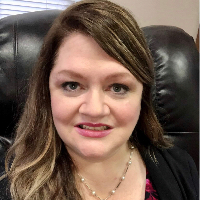
About Tracey
Tracey Byram, LPC, helps people facing anxiety, trauma, depression, bipolar disorder, and phobias. She brings 27 years of clinical experience and a calm, steady approach to sessions. Her manner is warm and direct, focused on practical steps that reduce distress and build coping skills.
Tracey uses clear, goal-oriented methods. She blends cognitive behavioral ideas with acceptance strategies and skills training. Sessions emphasize small experiments, manageable behavioral changes, and steady practice between meetings.
Background and approach
Her work often addresses relationship strain, parenting stress, grief, addiction concerns, and challenges like attention differences or chronic health issues. She also supports people dealing with body image, career stress, and changes tied to caregiving. The focus is on what the person wants to change and how to get there in doable steps.
Tracey has worked in Georgia for many years and holds a Licensed Professional Counselor credential. She offers conversational, person-centered sessions that welcome client questions and feedback. She aims to create a place where people can try out new ways of thinking and acting without judgment.
Her approach values collaboration. She helps each person choose strategies that fit their life and goals. Practical tools, behavior experiments, and emotion regulation skills are common parts of the plan.
How her approaches translate to online therapy
Acceptance and Commitment Therapy (ACT) helps people notice unhelpful thoughts and commit to actions that match their values. It is useful when anxiety, avoidance, or life changes keep someone stuck. Cognitive Behavioral Therapy (CBT) focuses on changing unhelpful thinking patterns and testing new behaviors with small experiments. This approach often helps with anxiety, depression, phobias, and sleep or eating concerns. Dialectical Behavior Therapy (DBT) teaches emotion regulation, distress tolerance, and interpersonal skills in clear, step-by-step ways that can reduce crisis moments and improve relationships.Choosing the best approach is part of the early work. Tracey will talk with each person about goals and preferences and then try methods that fit their situation. The plan can change as progress is made so the work stays useful and realistic.
Online formats include video calls, phone sessions, live chat, and text-based messaging. Video is good for deeper conversation and skills practice. Phone sessions can be shorter check-ins or work when bandwidth is limited. Live chat and messaging let people check in between sessions, share quick updates, or get prompts for exercises. These options let people fit therapy into busy schedules and keep continuity when travel or relocation occurs.
Questions people ask
What kinds of problems does she address?
What is her general approach in sessions?
How long has she been practicing?
Where is she based and what are her credentials?
Can sessions be held in other languages?
What formats are available for meeting online?
How are fees handled?
How do I begin working with her?
What this therapist works with
Most often
- Stress, Anxiety
- Trauma and abuse
- Bipolar disorder
Also listed
- Abandonment
- Addictions
- ADHD
- Adoption and foster care
- Anger management
- Attachment issues
- Autism and Asperger Syndrome
- Avoidant personality
- Blended family issues
- Body image
- Cancer
- Career difficulties
- Caregiver issues and stress
- Chronic pain, illness, and disability
- Co-morbidity
- Coaching
- Codependency
- Commitment issues
- Communication problems
- Compassion fatigue
- Control issues
- Coping with life changes
- Coping with natural or human-caused disaster
- Dependent personality
- Depression
- Disruptive Mood Dysregulation Disorder (DMDD)
- Dissociation
- Divorce and separation
- Domestic violence
- Eating and food-related issues
- Eating disorders
- Emptiness
- Family conflicts
- Family of origin issues
- Family problems
- Fatherhood issues
- Fertility issues
- First responder issues
- Forgiveness
- Gender dysphoria
- Grief
- Guilt and shame
- Hoarding
- Impulsivity
- Infidelity
- Intimacy-related issues
- Isolation / loneliness
- Jealousy
- LGBT
- Life purpose
- Men's issues
- Midlife crisis
- Money and financial issues
- Mood disorders
- Multicultural concerns
- Obsessions, compulsions, and OCD
- Panic disorder and panic attacks
- Paranoia
- Parenting issues
- Personality disorders
- Phobias
- Post-traumatic stress
- Postpartum depression
- Pregnancy and childbirth
- Relationship issues
- Seasonal Affective Disorder (SAD)
- Self esteem
- Self-harm
- Self-love
- Sexual assault and abuse
- Sexuality
- Sleeping disorders
- Social anxiety and phobia
- Somatization
- Traumatic brain injury
- Trichotillomania
- Veteran and Armed Forces Issues
- Women's issues
- Workplace issues
- Young adult issues
Therapeutic approaches
- Acceptance and Commitment Therapy (ACT)
- Attachment-Based Therapy
- Client-Centered Therapy
- Cognitive Behavioral Therapy (CBT)
- Dialectical Behavior Therapy (DBT)
- Emotionally-Focused Therapy (EFT)
- Existential Therapy
- Imago Relationship Therapy
- Jungian Therapy
- Mindfulness Therapy
- Motivational Interviewing
- Narrative Therapy
- Psychodynamic Therapy
- Solution-Focused Therapy
- Somatic Therapy
- Trauma-Focused Therapy
- Systemic Therapy
- Experience
- 27 years
- Licensed
- Georgia
- Languages
- English
We will earn a commission if you sign up through our link, at no cost to you.