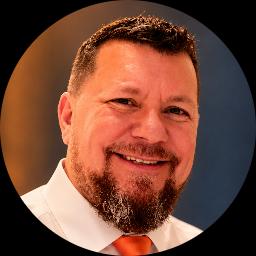
About David
David Routly is a Licensed Professional Counselor (LPC) with 18 years of experience helping people navigate stress, anxiety, addictions, depression, and trauma. He also supports concerns such as grief, intimacy-related issues, sleep problems, ADHD, and relationship or parenting strains. He writes plainly and listens first to understand what matters most to each person.
In sessions he focuses on practical steps people can try between meetings. He uses client-centered methods to build a trusting space and cognitive-behavioral tools to change unhelpful thoughts and behaviors.
Background and approach
He also draws on dialectical behavior therapy skills for emotional regulation and EMDR for trauma work when appropriate. David aims to break big problems into smaller, manageable tasks. He helps clients set clear goals and track progress.
He talks through coping skills, communication techniques, and ways to reduce day-to-day stressors. His style is straightforward and collaborative. He listens first, then offers techniques informed by the client’s needs.
Sessions are paced to match what each person can try and sustain. David practices in Georgia and works with adults on a range of life challenges. He offers multiple online session formats to fit different schedules.
To begin, people complete a short matching questionnaire and schedule a session based on availability.
Online approaches for anxiety, trauma, and behavior change
Client-Centered Therapy focuses on listening and building a respectful relationship. The therapist follows the client’s lead and works to understand each person’s priorities and values. Cognitive Behavioral Therapy, or CBT, looks at the connection between thoughts, feelings, and actions and teaches practical skills to change patterns that cause distress. Dialectical Behavior Therapy, or DBT, offers specific skills for managing intense emotions, improving interpersonal effectiveness, and tolerating distress.Choosing the right approach is part of the work together. The therapist will discuss goals, past experiences with therapy, and what feels most useful. That conversation helps decide whether to use CBT techniques, DBT skills, EMDR for trauma-focused work, or a client-centered path forward, and it remains flexible as needs change.
Online sessions are offered by video calls, phone, live chat, or text-based messaging to make care more accessible. Video calls allow face-to-face conversation and visual cues. Phone sessions use less bandwidth and can fit into a work break. Live chat or text messaging can serve for shorter check-ins or when typing feels easier. These options give flexibility to fit therapy into busy schedules and different daily routines.
Questions people ask
What kinds of concerns does he help with?
What is his therapeutic style like?
How much experience does he have?
What credentials and location apply?
Which languages are supported for sessions?
What session formats are offered?
How are fees and billing handled?
What do I do to begin working together?
What this therapist works with
Also listed
- Abandonment
- ADHD
- Adoption and foster care
- Anger management
- Antisocial personality
- Attachment issues
- Avoidant personality
- BDSM, kink, and alternative sex culture
- Bipolar disorder
- Blended family issues
- Body image
- Co-morbidity
- Codependency
- Commitment issues
- Communication problems
- Compassion fatigue
- Control issues
- Coping with life changes
- Dependent personality
- Depression
- Disruptive Mood Dysregulation Disorder (DMDD)
- Divorce and separation
- Drug and alcohol addiction
- Emptiness
- Family conflicts
- Family of origin issues
- Family problems
- Fatherhood issues
- First responder issues
- Forgiveness
- Grief
- Guilt and shame
- Immigration issues
- Impulsivity
- Infidelity
- Intimacy-related issues
- Isolation / loneliness
- Jealousy
- LGBT
- Life purpose
- Men's issues
- Midlife crisis
- Multicultural concerns
- Narcissism
- Obsessions, compulsions, and OCD
- Panic disorder and panic attacks
- Paranoia
- Parenting issues
- Personality disorders
- Phobias
- Polyamory / non-monogamous relationships
- Post-traumatic stress
- Relationship issues
- Seasonal Affective Disorder (SAD)
- Self esteem
- Self-harm
- Self-love
- Sex addiction
- Sexual assault and abuse
- Sexuality
- Sleeping disorders
- Social anxiety and phobia
- Veteran and Armed Forces Issues
- Workplace issues
Therapeutic approaches
- Experience
- 18 years
- Licensed
- Georgia
- Languages
- English
We will earn a commission if you sign up through our link, at no cost to you.