
Dr. Manuel Evangelista, LCSW
Utah · 21 yrs exp
Works with Stress, Anxiety / Family / Bipolar +16
Works by Acceptance and Commitment Therapy (ACT) / Client-Centered Therapy
View ProfileWelcome to our directory of online therapists serving Utah. All therapists listed here are licensed to practice in Utah. Explore profiles to learn about approaches, focus areas, credentials and languages.
Utah · 21 yrs exp
Works with Stress, Anxiety / Family / Bipolar +16
Works by Acceptance and Commitment Therapy (ACT) / Client-Centered Therapy
View Profile
Utah · 11 yrs exp
Works with Stress, Anxiety / Addictions / Relationship +17
Works by Acceptance and Commitment Therapy (ACT) / Attachment-Based Therapy
View Profile
Utah · 10 yrs exp
Works with Stress, Anxiety / Addictions / Relationship +13
Works by Attachment-Based Therapy / Client-Centered Therapy
View Profile
Utah · 32 yrs exp
Works with Stress, Anxiety / Relationship / Parenting +2
View Profile
Utah · 4 yrs exp
Works with Addictions / Relationship / Trauma and abuse +2
Works by Acceptance and Commitment Therapy (ACT) / Client-Centered Therapy
View Profile
Utah · 9 yrs exp
Works with Stress, Anxiety / Relationship / Parenting +8
Works by Cognitive Behavioral Therapy (CBT) / Dialectical Behavior Therapy (DBT)
View Profile
Utah · 13 yrs exp
Works with Stress, Anxiety / Addictions / LGBT +9
Works by Client-Centered Therapy / Cognitive Behavioral Therapy (CBT)
View Profile
Utah · 10 yrs exp
Works with Stress, Anxiety / Addictions / Trauma and abuse +15
Works by Client-Centered Therapy / Cognitive Behavioral Therapy (CBT)
View Profile
Utah · 11 yrs exp
Works with Stress, Anxiety / Relationship / Trauma and abuse +14
Works by Client-Centered Therapy / Cognitive Behavioral Therapy (CBT)
View Profile
Utah · 25 yrs exp
Works with Stress, Anxiety / Family / Trauma and abuse +16
Works by Acceptance and Commitment Therapy (ACT) / Client-Centered Therapy
View Profile
Utah · 20 yrs exp
Works with Relationship / Family / Trauma and abuse +14
Works by Client-Centered Therapy / Cognitive Behavioral Therapy (CBT)
View Profile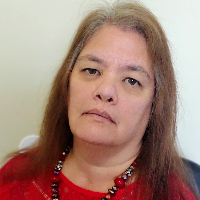
Utah · 17 yrs exp
Works with Stress, Anxiety / Trauma and abuse / Anger +14
Works by Acceptance and Commitment Therapy (ACT) / Attachment-Based Therapy
View Profile
Utah · 34 yrs exp
Works with Relationship / Trauma and abuse / Self esteem +14
Works by Attachment-Based Therapy / Cognitive Behavioral Therapy (CBT)
View Profile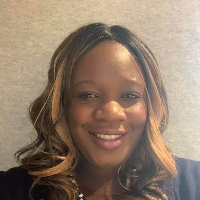
Utah · 20 yrs exp
Works with Stress, Anxiety / Addictions / Trauma and abuse +13
Works by Acceptance and Commitment Therapy (ACT) / Attachment-Based Therapy
View Profile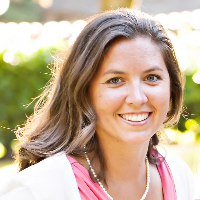
Utah · 12 yrs exp
Works with Stress, Anxiety / Relationship / Family +14
Works by Acceptance and Commitment Therapy (ACT) / Attachment-Based Therapy
View Profile
Utah · 8 yrs exp
Works with Stress, Anxiety / Relationship / Trauma and abuse +15
Works by Client-Centered Therapy / Cognitive Behavioral Therapy (CBT)
View Profile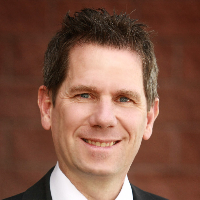
Utah · 25 yrs exp
Works with Stress, Anxiety / Addictions / Relationship +11
Works by Cognitive Behavioral Therapy (CBT) / Existential Therapy
View Profile
Utah · 13 yrs exp
Works with Stress, Anxiety / Addictions / Relationship +8
Works by Client-Centered Therapy / Cognitive Behavioral Therapy (CBT)
View Profile
Utah · 25 yrs exp
Works with Relationship / Family / Parenting +15
Works by Client-Centered Therapy / Cognitive Behavioral Therapy (CBT)
View Profile
Utah · 18 yrs exp
Works with Stress, Anxiety / Relationship / Trauma and abuse +14
View Profile
Utah · 24 yrs exp · 2 languages
Works with Stress, Anxiety / Relationship / Trauma and abuse +16
Works by Acceptance and Commitment Therapy (ACT) / Client-Centered Therapy
View Profile
Utah · 35 yrs exp
Works with Stress, Anxiety / Addictions / Relationship +14
Works by Client-Centered Therapy / Cognitive Behavioral Therapy (CBT)
View Profile
Utah · 22 yrs exp
Works with Stress, Anxiety / LGBT / Depression +8
Works by Cognitive Behavioral Therapy (CBT) / Mindfulness Therapy
View Profile
Utah · 21 yrs exp
Works with Stress, Anxiety / Trauma and abuse / Parenting +14
Works by Attachment-Based Therapy / Client-Centered Therapy
View Profile
Utah · 19 yrs exp
Works with Stress, Anxiety / Relationship / Trauma and abuse +15
Works by Acceptance and Commitment Therapy (ACT) / Client-Centered Therapy
View Profile
Utah · 21 yrs exp
Works with Stress, Anxiety / Relationship / Family +15
Works by Cognitive Behavioral Therapy (CBT) / Dialectical Behavior Therapy (DBT)
View Profile
Utah · 8 yrs exp
Works with Stress, Anxiety / Addictions / Trauma and abuse +16
Works by Acceptance and Commitment Therapy (ACT) / Attachment-Based Therapy
View Profile
Utah · 12 yrs exp
Works with Stress, Anxiety / Addictions / Grief +16
Works by Acceptance and Commitment Therapy (ACT) / Cognitive Behavioral Therapy (CBT)
View Profile
Utah · 6 yrs exp
Works with Stress, Anxiety / Addictions / Trauma and abuse +8
Works by Attachment-Based Therapy / Cognitive Behavioral Therapy (CBT)
View Profile
Utah · 6 yrs exp
Works with Stress, Anxiety / Trauma and abuse / Anger +15
Works by Client-Centered Therapy / Cognitive Behavioral Therapy (CBT)
View Profile
Utah · 10 yrs exp
Works with Stress, Anxiety / Trauma and abuse / Self esteem +12
Works by Acceptance and Commitment Therapy (ACT) / Attachment-Based Therapy
View Profile
Utah · 10 yrs exp
Works with Stress, Anxiety / Trauma and abuse / Anger +2
Works by Client-Centered Therapy / Cognitive Behavioral Therapy (CBT)
View Profile
Utah · 7 yrs exp
Works with Stress, Anxiety / Addictions / Relationship +2
Works by Acceptance and Commitment Therapy (ACT) / Attachment-Based Therapy
View Profile
Utah · 14 yrs exp
Works with Stress, Anxiety / Trauma and abuse / Anger +2
View Profile
Utah · 3 yrs exp
Works with Stress, Anxiety / Trauma and abuse / Depression +1
View Profile
Utah · 15 yrs exp
Works with Stress, Anxiety / Relationship / Grief +2
View Profile
Utah · 3 yrs exp
Works with Stress, Anxiety / Self esteem / Bipolar +2
View Profile
Utah · 20 yrs exp
Works with Stress, Anxiety / Relationship / Trauma and abuse +2
View ProfileOnline therapy has grown into a common way for people in Utah to connect with licensed mental health professionals from their homes, workplaces or wherever they have a reliable internet connection. State regulations require that therapists be licensed in the state where they practice with residents, and many clinicians who provide remote sessions list their Utah licensure on their profiles. That means you can often find a clinician whose professional background, areas of focus and therapeutic approaches align with what you are looking for without needing to travel long distances. While the way services are offered can vary by clinician - some focus on video sessions, others incorporate phone or messaging options - the core element is a professional relationship that happens remotely. When you review profiles, you will see a range of credentials such as licensed professional counselors, clinical social workers, marriage and family therapists and psychologists. Each title reflects different training paths and scopes of practice under Utah law, so looking at the listed credentials can help you understand a clinician's background before you reach out.
Online therapy offers practical benefits that are particularly relevant in a state with rural regions and long travel distances. You can reduce or eliminate commute time, which can make it easier to fit sessions into a busy schedule. If you live in a community with few local mental health options, remote sessions open up a wider pool of clinicians who list a variety of approaches and areas of focus. Online therapy can also be helpful if you prefer the comfort of your own home or another setting where you feel at ease, provided you can arrange a quiet room for the session. For parents, caregivers and people with mobility limits, remote sessions can reduce the logistical challenges of in-person visits. You may also find it easier to match with a clinician who speaks your preferred language or who works with specific populations, such as teenagers, veterans or people managing chronic health concerns. Keep in mind that the effectiveness of online therapy depends on factors such as the therapeutic relationship, the clinician's methods and your engagement in the process. Technology requirements are generally modest - a device with a camera and microphone and a stable internet connection - and many clinicians will outline the platforms they use on their profiles so you know what to expect.
Online therapists in Utah typically work with many of the same concerns addressed in traditional settings. You can find clinicians who list anxiety, depression, stress management and relationship challenges among their focus areas. Others highlight work with trauma-related symptoms, grief, life transitions, parenting and adolescent issues. There are also clinicians who indicate experience working with work-related stress, academic pressures and difficulties tied to major life changes. Some professionals list specific therapeutic approaches among their methods, such as cognitive behavioral strategies, mindfulness-based practices, family systems approaches or trauma-informed care; when you see a modality mentioned on a profile, understand that it reflects what the clinician uses in their practice rather than formal certification. If you are seeking support for a particular concern, reading the profile descriptions can help you gauge which clinicians emphasize that area and whether they mention working with people who share your background or circumstances. It is also reasonable to contact a clinician to ask how they typically structure treatment for the issue you want to address and what to expect from early sessions.
Verifying licensure is an important step when you are evaluating online therapists. In Utah, you can confirm a clinician's standing through the Utah Division of Occupational and Professional Licensing, which maintains an online license lookup tool. When you use that resource, search by the clinician's name or license number if it is provided on the profile. The lookup will show whether the license is active, what type of license it is and any public disciplinary actions that may have been recorded. Familiarize yourself with common license categories such as licensed professional counselor, licensed clinical social worker, licensed marriage and family therapist and psychologist. If a profile lists a specific credential, check that the credential and the name match the state record. If you have questions about what a license type allows a clinician to do, the licensing website usually explains scopes of practice and continuing education requirements. Another practical step is to confirm the license expiration date to ensure it is current. If you prefer, you can also call the licensing board to ask for assistance interpreting the records. Verifying licensure gives you a factual basis for trusting that the person you find in the directory is recognized by Utah authorities to provide mental health services.
Beginning online therapy is a process of matching the practical and personal elements that matter most to you. Start by identifying what you want to address and which therapist qualities are important - for example, approaches a clinician uses, experience with certain populations, languages spoken or professional credentials. Profiles often include short descriptions of focus areas and the methods a clinician uses, so look for phrasing such as therapists who list EMDR among their approaches if that is relevant to you. You may also prioritize logistical factors like session length, fees and whether a clinician offers a sliding scale; however, do not interpret a profile as a guarantee of ongoing availability. Once you find a few profiles that seem like a fit, prepare a short list of questions to ask during an initial conversation. You might ask how the clinician typically structures sessions, what a typical early treatment plan looks like for your concern and how they measure progress. Pay attention to how they describe the therapeutic relationship, their approach to collaboration and how they adapt work to fit your lifestyle. When preparing for remote sessions, choose a quiet room where interruptions are unlikely and where you feel at ease. Use a device with a reliable internet connection and a charged battery or power source. If you have concerns about technology, ask the clinician what platform they use and whether they can provide a brief test call. Trust your instincts during the first few sessions about whether the clinician's style and communication resonate with you. It is normal to try more than one clinician before finding the right match, and taking time to compare focus areas, approaches, credentials and languages can help you feel confident in your choice. If you ever need to confirm licensure or ask additional questions about a clinician's practice, use the state licensing resources to gather accurate information. Taking these practical steps will help you begin therapy in a way that fits your needs and circumstances as a Utah resident.
As you explore online therapy options in Utah, remember that finding the right clinician is a personal process. Use the directory to narrow your search by the elements that matter most to you - approaches, focus areas, languages and professional credentials - and then reach out to learn more. With the right preparation and by verifying licensure through the state, you can approach online therapy with clear expectations and a practical plan for getting started.
Addictions
2832 therapists
ADHD
2594 therapists
Anger
3243 therapists
Bipolar
2460 therapists
Chronic Illness
1986 therapists
Chronic Pain
1986 therapists
Compulsion
3196 therapists
Control Issues
3242 therapists
Depression
4153 therapists
Disaster Relief Therapy
2093 therapists
Dissociation
1844 therapists
Domestic Violence
2496 therapists
Eating Disorders
1776 therapists
Gambling
1952 therapists
Grief
3466 therapists
Guilt and Shame
3844 therapists
Impulsivity
2895 therapists
Intimacy Issues
2599 therapists
Isolation / Loneliness
3749 therapists
Midlife Crisis
2921 therapists
Mood Disorders
3398 therapists
Obsession
3196 therapists
OCD
3196 therapists
Panic Disorder and Panic Attacks
3732 therapists
Phobias
4454 therapists
Post-Traumatic Stress
3578 therapists
Postpartum Depression
2172 therapists
Seasonal Affective Disorder (SAD)
2789 therapists
Self Esteem
3949 therapists
Self-Harm
2785 therapists
Sexual Trauma
2483 therapists
Sleeping Disorders
1992 therapists
Social Anxiety and Phobia
4090 therapists
Stress & Anxiety
4352 therapists
Trauma and Abuse
3831 therapists
Abandonment
3158 therapists
Adoption
1535 therapists
Aging and Geriatric Issues
2095 therapists
Attachment Issues
3186 therapists
Blended Family Issues
2468 therapists
Body Image
2667 therapists
Career
2768 therapists
Caregiver Issues and Stress
2875 therapists
Codependency
2973 therapists
Commitment Issues
2795 therapists
Communication Problems
3745 therapists
Compassion Fatigue
2468 therapists
Coping with Life Changes
3661 therapists
Divorce
3191 therapists
Family
3341 therapists
Family of Origin Issues
2361 therapists
Fatherhood Issues
1950 therapists
Fertility Issues
1210 therapists
First Responder Issues
1687 therapists
Forgiveness
3517 therapists
Foster Care
1535 therapists
Hospice and End-of-Life Counseling
1495 therapists
Infidelity
2612 therapists
Jealousy
2868 therapists
Life Purpose
3693 therapists
Money and Financial Issues
2170 therapists
Parenting
2905 therapists
Pregnancy
1599 therapists
Relationship
3765 therapists
Self-Love
3585 therapists
Separation
3191 therapists
Sexuality
2072 therapists
Workplace Issues
3258 therapists