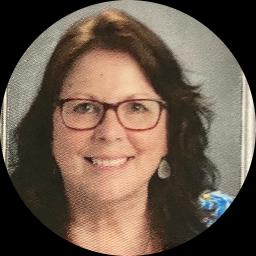
About Geralynn
Geralynn Barney is a licensed clinical social worker with 22 years of experience helping people cope with stress, anxiety, depression, grief, and phobias. She creates a calm, nonjudgmental space where people can talk through painful experiences and make practical changes. Her work is grounded in respect for each person's story and identity.
Geralynn uses straightforward methods to build skills for daily life. She draws on cognitive behavioral techniques to spot unhelpful thoughts and try new behaviors.
Background and approach
Mindfulness practices help people notice feelings without getting overwhelmed. Solution-focused steps are used to set small, achievable goals. Clients often come with relationship strain, workplace stress, parenting challenges, or the aftermath of trauma and abuse.
Geralynn also supports concerns such as compassion fatigue, chronic illness, and issues related to adoption and foster care. She listens for patterns that keep people stuck and works with them to try different approaches. Sessions are collaborative and practical.
Geralynn helps people practice skills between meetings and adjusts plans when something isn’t working. The goal is to build resilience and better day-to-day functioning. She practices in Utah and holds the credential LCSW, which stands for Licensed Clinical Social Worker.
Sessions are conducted in English and tailored to each person's needs.
Approaches that shape online care
Geralynn uses a mix of approaches to meet everyday needs. Cognitive Behavioral Therapy, or CBT, helps people notice unhelpful thoughts and test small behavior changes to reduce anxiety and low mood. Mindfulness Therapy teaches simple attention and breathing practices that make strong emotions easier to tolerate. Solution-Focused Therapy narrows attention to realistic, short-term steps and practical goals that move life forward.Finding the right approach is part of the work. Geralynn treats approach selection as a collaborative process. She will listen to your goals and preferences, try methods that fit, and adjust plans based on what helps most. That way each client gets a tailored path rather than a fixed program.
Online formats offer practical advantages. Video calls allow face-to-face conversation when that helps build trust. Phone sessions work well when bandwidth is limited or a quick check-in is needed. Live chat and text-based messaging make it easier to fit brief conversations into a busy day or to track progress between sessions. These options give flexibility for different schedules and communication styles, while keeping the focus on usable skills and steady progress.
Questions people ask
What concerns does this therapist address?
How would you describe her therapeutic style?
What is her professional background?
What credential and location are listed?
Are sessions available in other languages or internationally?
What formats are used for sessions?
How is cost handled for sessions?
How do I get started with therapy?
What this therapist works with
Most often
Also listed
- Adoption and foster care
- Avoidant personality
- Cancer
- Career difficulties
- Chronic pain, illness, and disability
- Codependency
- Communication problems
- Compassion fatigue
- Coping with life changes
- Divorce and separation
- Domestic violence
- Family conflicts
- Family problems
- Forgiveness
- Grief
- Guilt and shame
- HIV / AIDS
- Isolation / loneliness
- Mood disorders
- Panic disorder and panic attacks
- Parenting issues
- Phobias
- Seasonal Affective Disorder (SAD)
- Self esteem
- Self-love
- Sexual assault and abuse
- Sexuality
- Social anxiety and phobia
- Trauma and abuse
- Women's issues
- Workplace issues
- Young adult issues
Therapeutic approaches
- Experience
- 22 years
- Licensed
- Utah
- Languages
- English
We will earn a commission if you sign up through our link, at no cost to you.