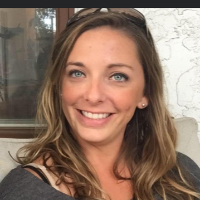
About Stephanie
Stephanie Young is a licensed mental health counselor based in Utah. She brings 13 years of experience to online work and aims to make therapy direct and approachable. Stephanie uses practical methods to help people manage anxiety, stress, depression, and phobias while keeping sessions down to earth.
She trained in psychology for her bachelor's degree and completed a master’s degree in clinical counseling. Her clinical background includes substantial work with addiction and dual diagnosis, where mood concerns and anxiety often overlap.
Background and approach
That practical experience shapes how she structures sessions and sets goals. Stephanie emphasizes clear, behavior-focused strategies alongside a warm, respectful relationship. She leans on cognitive behavioral techniques to identify patterns and change unhelpful thinking.
At the same time she centers each person's goals and motivation when planning next steps. Sessions often include skill-building, short-term problem solving, and motivation-focused conversations to address change. She also works with issues related to relationships, parenting, career strain, self-esteem, and the effects of traumatic brain injury or visual impairment when relevant.
Clients can expect straightforward feedback and occasional challenges aimed at growth. Stephanie likes to tailor interventions so they fit daily life, and she invites people to try creative approaches when that helps keep progress going.
How practical approaches work online
Stephanie often uses cognitive behavioral therapy and client-centered methods in online sessions. Cognitive behavioral therapy focuses on identifying unhelpful thoughts and trying experiments to change patterns, which can help with anxiety, phobias, and mood concerns. Client-centered therapy centers on the person's goals and feelings, with the therapist offering reflective listening and support to help clients decide next steps.Finding the right approach is collaborative. The therapist will work with each person to choose methods that match their goals, daily routine, and comfort level. Together they will try options, check what helps, and adjust the plan as needed so progress fits real life.
Online formats include video calls, phone sessions, live chat, and text-based messaging, which offer flexibility for different situations. Video calls let people practice skills in conversation and read nonverbal cues. Phone sessions use less bandwidth and can fit a break at work. Live chat and text-based messaging are useful for brief check-ins, quick problem solving, or when written reflection feels easier. These options make it simpler to keep continuity and try consistent skill practice between sessions.
Questions people ask
What kinds of concerns does she address?
What is her therapy style like?
How much experience does she have?
What credentials and location are listed?
Which languages are supported and can international clients join?
What session formats does she offer?
How are fees handled?
How do I begin working with her?
What this therapist works with
Most often
- Stress, Anxiety
- Addictions
- Relationship issues
Also listed
- Adoption and foster care
- Anger management
- Antisocial personality
- Blended family issues
- Career difficulties
- Communication problems
- Coping with life changes
- Depression
- Family conflicts
- LGBT
- Mood disorders
- Parenting issues
- Phobias
- Self esteem
- Social anxiety and phobia
- Traumatic brain injury
- Visually impaired
- Young adult issues
Therapeutic approaches
- Experience
- 13 years
- Licensed
- Utah, Washington
- Languages
- English
We will earn a commission if you sign up through our link, at no cost to you.