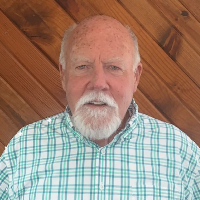
About Michael
Dr. Michael Cundiff is a licensed professional counselor with 45 years of experience. He greets new clients in a straightforward way and focuses on building a working relationship from the start.
Sessions are often 45 minutes, but he can adjust to meet individual needs. He uses a client-centered approach that puts the person's goals and experiences first. That means he listens, reflects what he hears, and works alongside the client to set practical goals.
Background and approach
He also draws on cognitive behavioral and mindfulness ideas to help people notice patterns and try small changes. Dr. Cundiff has long experience helping people with anxiety, stress, depression, grief, addictions, and relationship concerns.
He also addresses issues like parenting strain, caregiving stress, attachment and abandonment, self-esteem, and coping with life changes. Phobias appear among the areas he lists. Sessions are available by video calls, phone, live chat, or text-based messaging, and he encourages clients to move at their own pace.
He answers messages several times a day and aims to respond promptly when questions come up. In therapy he combines listening with clear, practical work. You will be invited to set goals together and try techniques that fit your life.
That combination is meant to help people manage symptoms and build skills for everyday challenges.
How his approaches translate to online therapy
Client-centered therapy focuses on listening and building a trusting working relationship. Online sessions let him hear your concerns and work with you to set goals, whether for anxiety, grief, or relationship stress.Cognitive Behavioral Therapy, or CBT, helps people notice unhelpful thoughts and try new behaviors. In online sessions this can mean tracking thoughts between meetings and practicing short exercises together during video or phone calls.
Mindfulness Therapy teaches simple ways to bring attention back to the present moment and reduce reactivity. Short guided practices over video or audio can be used between messages to support calmer responses to stress.
Finding the right approach is a collaborative process. He will talk with you about your goals, try techniques that match your needs, and adjust based on what helps. Together you decide which methods to keep and which to change.
Online formats offer flexibility for busy schedules and different comfort levels. Video calls allow face-to-face conversation and shared exercises, phone sessions work well when bandwidth is limited, and live chat or text-based messaging can be useful for brief check-ins or ongoing support between meetings. These options make it easier to fit therapy into work, caregiving, or other commitments.
Questions people ask
What kinds of problems does he address?
How would you describe his therapy style?
How long has he practiced?
What credentials does he hold and where is he based?
Which languages are supported for sessions?
What session formats are available?
How does payment work and what does it cost?
How do I begin working with him?
What this therapist works with
Most often
- Stress, Anxiety
- Relationship issues
- Family conflicts
Also listed
- Abandonment
- Addictions
- ADHD
- Adoption and foster care
- Aging and geriatric issues
- Anger management
- Attachment issues
- Career difficulties
- Caregiver issues and stress
- Coaching
- Codependency
- Commitment issues
- Communication problems
- Compassion fatigue
- Coping with life changes
- Depression
- Divorce and separation
- Eating disorders
- Emptiness
- Family problems
- Fatherhood issues
- First responder issues
- Forgiveness
- Grief
- Guilt and shame
- Hearing impaired
- Hospice and end-of-life counseling
- Impulsivity
- Infidelity
- Intellectual disability
- Intimacy-related issues
- Jealousy
- LGBT
- Life purpose
- Men's issues
- Midlife crisis
- Money and financial issues
- Obsessions, compulsions, and OCD
- Panic disorder and panic attacks
- Parenting issues
- Personality disorders
- Phobias
- Post-traumatic stress
- Process addiction (porn, exercise, gambling)
- Seasonal Affective Disorder (SAD)
- Self esteem
- Self-harm
- Sex addiction
- Sexual assault and abuse
- Sexual dysfunction
- Sleeping disorders
- Social anxiety and phobia
- Trauma and abuse
- Trichotillomania
- Women's issues
- Workplace issues
- Young adult issues
Therapeutic approaches
- Experience
- 45 years
- Licensed
- Missouri
- Languages
- English
We will earn a commission if you sign up through our link, at no cost to you.