
Gwendolyn Downing, LPC
Alabama · 41 yrs exp
Works with Stress, Anxiety / Addictions / Trauma and abuse +15
Works by Attachment-Based Therapy / Cognitive Behavioral Therapy (CBT)
View ProfileWelcome to our directory of online therapists serving Alabama. All therapists listed here hold active professional licenses in Alabama, and you can explore profiles to review their credentials, approaches, languages, and areas of focus.
Browse the listings to learn more about each therapist and how they describe their specialties and approaches.
Alabama · 41 yrs exp
Works with Stress, Anxiety / Addictions / Trauma and abuse +15
Works by Attachment-Based Therapy / Cognitive Behavioral Therapy (CBT)
View Profile
Alabama · 40 yrs exp
Works with Stress, Anxiety / Family / Trauma and abuse +15
View Profile
Alabama · 30 yrs exp
Works with Stress, Anxiety / Relationship / Family +8
Works by Acceptance and Commitment Therapy (ACT) / Client-Centered Therapy
View Profile
Alabama · 10 yrs exp
Works with Stress, Anxiety / Career / Depression +14
Works by Attachment-Based Therapy / Client-Centered Therapy
View Profile
Alabama · 26 yrs exp
Works with Stress, Anxiety / Addictions / Relationship +16
Works by Attachment-Based Therapy / Client-Centered Therapy
View Profile
Alabama · 3 yrs exp
Works with Stress, Anxiety / Family / Trauma and abuse +14
Works by Acceptance and Commitment Therapy (ACT) / Cognitive Behavioral Therapy (CBT)
View Profile
Alabama · 4 yrs exp
Works with Stress, Anxiety / Trauma and abuse / Anger +2
View Profile
Alabama · 38 yrs exp
Works with Stress, Anxiety / Trauma and abuse / Sleeping +16
Works by Client-Centered Therapy / Cognitive Behavioral Therapy (CBT)
View Profile
Alabama · 22 yrs exp
Works with Stress, Anxiety / Trauma and abuse / Anger +17
Works by Acceptance and Commitment Therapy (ACT) / Attachment-Based Therapy
View Profile
Alabama · 19 yrs exp
Works with Stress, Anxiety / Trauma and abuse / Eating +16
Works by Acceptance and Commitment Therapy (ACT) / Client-Centered Therapy
View Profile
Alabama · 31 yrs exp
Works with Stress, Anxiety / Relationship / Trauma and abuse +11
Works by Client-Centered Therapy / Cognitive Behavioral Therapy (CBT)
View Profile
Alabama · 15 yrs exp
Works with Stress, Anxiety / Family / Grief +10
View Profile
Alabama · 19 yrs exp
Works with Stress, Anxiety / Self esteem / Depression +11
Works by Client-Centered Therapy / Cognitive Behavioral Therapy (CBT)
View Profile
Alabama · 14 yrs exp
Works with Stress, Anxiety / Relationship / Self esteem +14
Works by Client-Centered Therapy / Cognitive Behavioral Therapy (CBT)
View Profile
Alabama · 40 yrs exp
Works with Stress, Anxiety / Addictions / Relationship +2
View Profile
Alabama · 21 yrs exp
Works with Stress, Anxiety / Trauma and abuse / Anger +11
Works by Acceptance and Commitment Therapy (ACT) / Client-Centered Therapy
View Profile
Alabama · 15 yrs exp
Works with Stress, Anxiety / Addictions / Bipolar +17
Works by Client-Centered Therapy / Cognitive Behavioral Therapy (CBT)
View Profile
Alabama · 10 yrs exp
Works with Stress, Anxiety / Family / Trauma and abuse +15
Works by Client-Centered Therapy / Cognitive Behavioral Therapy (CBT)
View Profile
Alabama · 13 yrs exp
Works with Stress, Anxiety / Trauma and abuse / Anger +13
Works by Client-Centered Therapy / Cognitive Behavioral Therapy (CBT)
View Profile
Alabama · 10 yrs exp
Works with Stress, Anxiety / Relationship / Family +11
Works by Client-Centered Therapy / Cognitive Behavioral Therapy (CBT)
View Profile
Alabama · 26 yrs exp
Works with Stress, Anxiety / Trauma and abuse / Grief +9
Works by Acceptance and Commitment Therapy (ACT) / Client-Centered Therapy
View Profile
Alabama · 8 yrs exp
Works with Stress, Anxiety / Addictions / Relationship +13
Works by Acceptance and Commitment Therapy (ACT) / Client-Centered Therapy
View Profile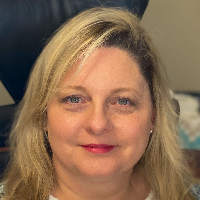
Alabama · 4 yrs exp
Works with Stress, Anxiety / Addictions / Trauma and abuse +11
Works by Acceptance and Commitment Therapy (ACT) / Attachment-Based Therapy
View Profile
Alabama · 22 yrs exp
Works with Stress, Anxiety / LGBT / Family +14
Works by Attachment-Based Therapy / Client-Centered Therapy
View Profile
Alabama · 20 yrs exp
Works with Stress, Anxiety / Trauma and abuse / Anger +9
Works by Client-Centered Therapy / Cognitive Behavioral Therapy (CBT)
View Profile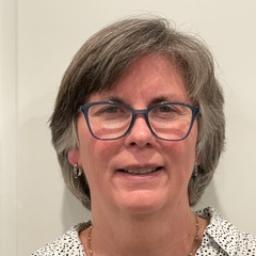
Alabama · 5 yrs exp
Works with Stress, Anxiety / Relationship / Bipolar +10
Works by Acceptance and Commitment Therapy (ACT) / Client-Centered Therapy
View Profile
Alabama · 28 yrs exp
Works with Relationship / Family / Trauma and abuse +8
Works by Client-Centered Therapy / Cognitive Behavioral Therapy (CBT)
View Profile
Alabama · 18 yrs exp
Works with Stress, Anxiety / Addictions / Relationship +10
Works by Client-Centered Therapy / Cognitive Behavioral Therapy (CBT)
View Profile
Alabama · 30 yrs exp
Works with Stress, Anxiety / Grief / Self esteem +8
Works by Acceptance and Commitment Therapy (ACT) / Client-Centered Therapy
View Profile
Alabama · 6 yrs exp
Works with Stress, Anxiety / Trauma and abuse / Bipolar +11
Works by Acceptance and Commitment Therapy (ACT) / Client-Centered Therapy
View Profile
Alabama · 10 yrs exp
Works with Stress, Anxiety / Addictions / Anger +12
Works by Client-Centered Therapy / Cognitive Behavioral Therapy (CBT)
View Profile
Alabama · 5 yrs exp
Works with Stress, Anxiety / Grief / Self esteem +11
Works by Client-Centered Therapy / Cognitive Behavioral Therapy (CBT)
View Profile
Alabama · 23 yrs exp
Works with Stress, Anxiety / Relationship / Parenting +14
Works by Client-Centered Therapy / Cognitive Behavioral Therapy (CBT)
View Profile
Alabama · 6 yrs exp
Works with Stress, Anxiety / Addictions / Relationship +7
Works by Acceptance and Commitment Therapy (ACT) / Attachment-Based Therapy
View Profile
Alabama · 3 yrs exp
Works with Stress, Anxiety / Trauma and abuse / Anger +17
Works by Acceptance and Commitment Therapy (ACT) / Attachment-Based Therapy
View Profile
Alabama · 27 yrs exp
Works with Stress, Anxiety / Relationship / Trauma and abuse +2
Works by Client-Centered Therapy / Cognitive Behavioral Therapy (CBT)
View Profile
Alabama · 10 yrs exp
Works with Stress, Anxiety / Addictions / Anger +13
Works by Acceptance and Commitment Therapy (ACT) / Client-Centered Therapy
View Profile
Alabama · 30 yrs exp
Works with Stress, Anxiety / Addictions / Relationship +6
Works by Client-Centered Therapy / Cognitive Behavioral Therapy (CBT)
View Profile
Alabama · 7 yrs exp
Works with Stress, Anxiety / Relationship / Family +4
View Profile
Alabama · 9 yrs exp
Works with Stress, Anxiety / Relationship / Family +14
View Profile
Alabama · 20 yrs exp
Works with Stress, Anxiety / Addictions / Grief +6
Works by Client-Centered Therapy / Cognitive Behavioral Therapy (CBT)
View Profile
Alabama · 6 yrs exp
Works with Stress, Anxiety / Family / Trauma and abuse +16
Works by Acceptance and Commitment Therapy (ACT) / Client-Centered Therapy
View Profile
Alabama · 15 yrs exp
Works with Stress, Anxiety / Trauma and abuse / Grief +8
Works by Acceptance and Commitment Therapy (ACT) / Attachment-Based Therapy
View Profile
Alabama · 4 yrs exp
Works with Stress, Anxiety / LGBT / Trauma and abuse +2
View ProfileOnline therapy has become a common option for many people living in Alabama, and you can find clinicians who offer video sessions, phone consultations, or text-based communication as part of their services. The shift toward remote care reflects a broader change in how mental health support is delivered - technology makes it possible to connect with a therapist even when geography, mobility, or scheduling would otherwise be a barrier. In Alabama, therapists who work with online clients still operate under state licensing requirements and professional practice standards, which guide how therapy is provided across digital channels.
When you choose online therapy, sessions often follow a familiar clinical structure - an intake conversation, goal-setting, and regular meetings that focus on your concerns and goals. Therapists may describe the methods they use and the client populations they serve in their profiles. You should expect clear information about session length, communication methods, fees, and how records are handled. Many therapists also outline how they manage technology and what you need to participate, so you can decide whether remote sessions fit your situation.
Online therapy removes much of the travel burden that comes with in-person appointments. If you live in a rural county or a smaller city in Alabama, reaching a clinician with a particular language ability, specialty, or approach may be easier through remote sessions. You can meet with a therapist from your home, workplace, or another comfortable environment, reducing the time and stress of commuting and making it simpler to maintain regular appointments.
Because online options expand the pool of clinicians you can consider, you may be better able to find a therapist who lists experience with the issues you want to address or who works with the population you identify with. Therapists who list approaches such as cognitive behavioral methods, mindfulness-based work, family systems perspectives, or who list EMDR among their approaches are often transparent about their typical areas of focus. That makes it easier for you to align therapeutic style with the way you prefer to work.
Online therapists in Alabama commonly work with people facing anxiety, depressive symptoms, relationship challenges, grief, stress related to work or caregiving, and life transitions such as relocation or major career changes. Some clinicians emphasize support for specific populations, including adolescents, parents, couples, or older adults. When you read profiles, you will often see both the presenting concerns a therapist addresses and the approaches they use to support clients.
Some therapists describe experience working with trauma-related concerns, chronic stress, substance misuse, or issues related to identity and cultural background. While profiles may list approaches or populations they regularly engage with, those listings do not replace a conversation about fit and expectations. If you have complex care needs, you can look for therapists who describe collaborative work with medical providers or community resources, and you can ask a clinician how they approach coordination when multiple forms of care are involved.
Because different disciplines have different licensing authorities, the first step is to identify which board oversees the profession you are considering - for example, licensed professional counselors, psychologists, social workers, or marriage and family therapists. Each board typically maintains an online license lookup tool where you can search by name or license number. That tool will help you confirm a therapist's license status, the type of license they hold, and the expiration date of the license.
When you review a license record you should look for the license type, the status shown by the board, and whether there are any public disciplinary actions noted. Boards may also list the date of initial licensure, any additional endorsements, and contact information if you need to verify details. If anything in a profile is unclear, you can contact the appropriate licensing board directly to ask for guidance on interpreting the information you find.
Before you reach out to a therapist you are considering, think about your goals and the practical details that matter to you. Clarify what you hope to address in sessions and what type of support you think will help - whether it is symptom reduction, skill-building, relational work, or coping strategies for a life transition. Consider practical factors such as the technologies you can use for video sessions, language preferences, and whether you need evening or weekend options. Knowing these preferences will help you focus your search.
As you review therapist profiles, pay attention to the issues they describe working with, the approaches they list, and the populations they mention. Because profiles reflect how clinicians present their practice rather than a verification of specific training, look for clarity about how they describe their approach and how they explain what a typical session might look like. When you contact a therapist to learn more, you can ask about their experience with the concerns you bring, how they structure remote sessions, what the typical duration of work might be, and how they measure progress. Ask about fees and whether they work with any insurance plans or offer sliding scale options if cost is a consideration for you.
Your relationship with a therapist is an important part of successful work, and it is normal to interview more than one clinician before deciding who feels like the right match. Notice how a clinician communicates about goals, boundaries, and methods during your initial contact. If you do begin sessions, give yourself time to assess how comfortable you feel sharing important concerns and how well the therapist's approach aligns with your preferences. If something does not feel right, it is appropriate to discuss it with the therapist or seek a different match.
Since sessions take place online, check that you have a reliable internet connection and a quiet place where you can speak without interruption. Ask the therapist how they handle session delays or technical problems, and whether they have alternative plans such as a phone call if video is disrupted. You can also ask how records and notes are maintained and what to expect in terms of communication between sessions. Clear expectations about logistics make it easier for you to focus on the therapeutic work.
Choosing an online therapist in Alabama is a personal process that benefits from thoughtful preparation and clear questions. By reviewing profiles, verifying licensure, and reflecting on what you need from therapy, you can find a clinician who aligns with your goals and communication style. Use the listings to explore options and begin conversations that help you decide who will support you on your path forward.
Addictions
2832 therapists
ADHD
2594 therapists
Anger
3243 therapists
Bipolar
2460 therapists
Chronic Illness
1986 therapists
Chronic Pain
1986 therapists
Compulsion
3196 therapists
Control Issues
3242 therapists
Depression
4153 therapists
Disaster Relief Therapy
2093 therapists
Dissociation
1844 therapists
Domestic Violence
2496 therapists
Eating Disorders
1776 therapists
Gambling
1952 therapists
Grief
3466 therapists
Guilt and Shame
3844 therapists
Impulsivity
2895 therapists
Intimacy Issues
2599 therapists
Isolation / Loneliness
3749 therapists
Midlife Crisis
2921 therapists
Mood Disorders
3398 therapists
Obsession
3196 therapists
OCD
3196 therapists
Panic Disorder and Panic Attacks
3732 therapists
Phobias
4454 therapists
Post-Traumatic Stress
3578 therapists
Postpartum Depression
2172 therapists
Seasonal Affective Disorder (SAD)
2789 therapists
Self Esteem
3949 therapists
Self-Harm
2785 therapists
Sexual Trauma
2483 therapists
Sleeping Disorders
1992 therapists
Social Anxiety and Phobia
4090 therapists
Stress & Anxiety
4352 therapists
Trauma and Abuse
3831 therapists
Abandonment
3158 therapists
Adoption
1535 therapists
Aging and Geriatric Issues
2095 therapists
Attachment Issues
3186 therapists
Blended Family Issues
2468 therapists
Body Image
2667 therapists
Career
2768 therapists
Caregiver Issues and Stress
2875 therapists
Codependency
2973 therapists
Commitment Issues
2795 therapists
Communication Problems
3745 therapists
Compassion Fatigue
2468 therapists
Coping with Life Changes
3661 therapists
Divorce
3191 therapists
Family
3341 therapists
Family of Origin Issues
2361 therapists
Fatherhood Issues
1950 therapists
Fertility Issues
1210 therapists
First Responder Issues
1687 therapists
Forgiveness
3517 therapists
Foster Care
1535 therapists
Hospice and End-of-Life Counseling
1495 therapists
Infidelity
2612 therapists
Jealousy
2868 therapists
Life Purpose
3693 therapists
Money and Financial Issues
2170 therapists
Parenting
2905 therapists
Pregnancy
1599 therapists
Relationship
3765 therapists
Self-Love
3585 therapists
Separation
3191 therapists
Sexuality
2072 therapists
Workplace Issues
3258 therapists