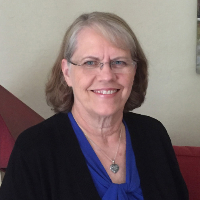
About Terry
Terry Wester is a Licensed Professional Counselor (LPC) based in Texas who blends practical methods with a focus on how the brain learns and changes. She draws on eight years of counseling experience to help people facing anxiety, depression, phobias, and other common struggles. She often uses client-centered work to make sessions feel like a collaboration.
That means the person’s goals guide each meeting and the therapist listens closely before suggesting tools.
Background and approach
Cognitive Behavioral Therapy, or CBT, is a frequent choice to help people change unhelpful thinking and behavior patterns. Terry has a background in community health where she supported people with chronic pain and multiple health concerns. She led classes in weight management and smoking cessation and later moved into independent practice.
Those experiences shaped her practical, results-focused style. She also uses approaches such as EMDR and hypnotherapy when they fit a person’s needs, and she draws on existential ideas to address meaning, choice, and life transitions. The goal is to reduce distress without forcing someone to relive painful memories in detail.
Sessions address a wide range of concerns including trauma and abuse, panic and panic disorder, sleep problems, grief, mood disorders, caregiver stress, and compassion fatigue. Terry works in English and offers video calls, phone sessions, live chat, and text-based messaging for convenience.
People who want straightforward tools and a steady, thoughtful counselor may find her approach helpful as they work toward clearer thinking, improved coping, and better daily functioning.
Therapeutic approaches adapted for online care
Client-Centered Therapy emphasizes listening and collaboration so the therapist follows the person's goals and feedback when planning sessions; this helps shape what is tried and changed in online meetings. Cognitive Behavioral Therapy, or CBT, focuses on identifying unhelpful thoughts and testing new behaviors to reduce anxiety, panic, and mood-related symptoms through concrete exercises and practice between sessions. EMDR is used at times to reduce the emotional intensity of traumatic memories by pairing focused attention with guided processing; it can be adapted to remote sessions when appropriate.Finding the right approach is part of the work. The therapist will talk with the person about their goals, symptoms, and preferences and then suggest methods to try. That collaborative process means approaches can be adjusted over time based on what helps most.
Online formats include video calls, phone sessions, live chat, and text-based messaging, offering flexibility for different needs. Video allows face-to-face interaction and visual cues, phone calls can fit into a work break or require less bandwidth, chat is useful for short check-ins, and messaging supports brief updates or between-session contact. These options make it easier to keep therapy consistent while fitting appointments into a busy life.
Questions people ask
What kinds of concerns does this therapist help with?
How would you describe the therapeutic style and approach?
How much clinical experience does the therapist have?
Where is the therapist located and what are the credentials?
In which languages are sessions offered?
What session formats are available for online work?
How are fees and payment handled?
What should I do to begin working with this therapist?
What this therapist works with
Most often
- Stress, Anxiety
- Sleeping disorders
- Self esteem
Also listed
- Aging and geriatric issues
- Bipolar disorder
- Body image
- Caregiver issues and stress
- Chronic pain, illness, and disability
- Codependency
- Commitment issues
- Compassion fatigue
- Coping with life changes
- Coping with natural or human-caused disaster
- Depression
- Family of origin issues
- Grief
- Guilt and shame
- Intimacy-related issues
- Isolation / loneliness
- Mood disorders
- Panic disorder and panic attacks
- Phobias
- Post-traumatic stress
- Seasonal Affective Disorder (SAD)
- Smoking / vaping cessation
- Social anxiety and phobia
- Trauma and abuse
- Trichotillomania
Therapeutic approaches
- Experience
- 8 years
- Licensed
- Texas
- Languages
- English
We will earn a commission if you sign up through our link, at no cost to you.