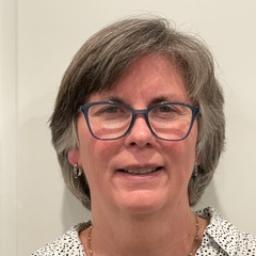
About Rebecca
Rebecca Shaughnessy is a Licensed Professional Counselor (LPC) based in Alabama who helps people facing stress, anxiety, depression, panic, and phobias. She focuses on practical steps people can use right away. Her approach is collaborative and grounded in everyday language.
She uses a client-centered style that starts with listening. Sessions aim to find small, manageable steps that build confidence over time. Rebecca combines Acceptance and Commitment Therapy (ACT) and Cognitive Behavioral Therapy (CBT) tools with solution-focused thinking to help people move forward.
Background and approach
Her work often addresses life transitions, grief, relationship strain, and burnout from demanding roles. She also supports people dealing with trauma, addictions, obsessive-compulsive patterns, and mood disorders. Rebecca pays attention to how patterns of thinking and behavior affect daily life and willingness to try new strategies.
Sessions are conversational and practical. Clients can expect to set clear goals and practice skills between meetings. She emphasizes steady progress rather than quick fixes, and she encourages people to notice even small gains.
Rebecca has five years of counseling experience and holds LPC credentials in Alabama and Virginia. She offers multiple online session formats to fit different needs. If someone wants to start, the first step is a short matching questionnaire and scheduling a session.
Therapeutic approaches you can use online
Acceptance and Commitment Therapy (ACT) helps people notice unhelpful thoughts and choose actions that match their values. It is useful for anxiety, stress, and patterns that get in the way of daily goals. Cognitive Behavioral Therapy (CBT) focuses on how thoughts and behaviors connect and teaches practical skills to reduce symptoms like panic and obsessive thinking. Both approaches teach exercises that can be practiced between sessions. Finding the best approach is part of the work together. The therapist will talk with each person about goals, preferences, and what has or hasn’t helped before. That conversation guides which tools and strategies get used, and the plan can be adjusted as progress is made. Online sessions can make it easier to fit therapy into a busy life. Video calls let people have face-to-face conversation without travel. Phone sessions or live chat can work when bandwidth is limited or a shorter check-in is needed. Text-based messaging supports ongoing reflection and brief coaching between longer sessions. These options give flexibility while keeping the focus on practical steps and steady progress.Questions people ask
What kinds of concerns does Rebecca work with?
What is her general approach in sessions?
How much counseling experience does she have?
What credentials and location apply?
In what language are sessions offered?
Which session formats are available?
How are costs handled for sessions?
What should I do to begin working together?
What this therapist works with
Most often
- Stress, Anxiety
- Relationship issues
- Bipolar disorder
Also listed
- Abandonment
- Addictions
- ADHD
- Aging and geriatric issues
- Attachment issues
- Career difficulties
- Codependency
- Compassion fatigue
- Coping with life changes
- Depression
- Divorce and separation
- Emptiness
- First responder issues
- Grief
- Guilt and shame
- Midlife crisis
- Money and financial issues
- Mood disorders
- Narcissism
- Obsessions, compulsions, and OCD
- Panic disorder and panic attacks
- Parenting issues
- Phobias
- Post-traumatic stress
- Postpartum depression
- Pregnancy and childbirth
- Self esteem
- Social anxiety and phobia
- Somatization
- Trauma and abuse
- Veteran and Armed Forces Issues
- Women's issues
- Workplace issues
- Young adult issues
Therapeutic approaches
- Experience
- 5 years
- Licensed
- Alabama, Virginia
- Languages
- English
We will earn a commission if you sign up through our link, at no cost to you.