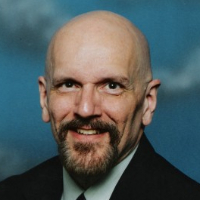
About Jack
Jack Richey is a licensed clinical social worker with 20 years of experience in Illinois. He helps people facing anxiety, depression, stress, grief, and phobias. He also supports those dealing with relationship and family concerns, parenting strain, and life changes.
Jack aims for straightforward therapy that feels practical. Sessions focus on clear goals, coping steps, and skills people can use between meetings. He uses an approachable style that centers the person's needs and pace.
Background and approach
In practice he draws on client-centered work to listen and reflect what matters most. He also uses cognitive behavioral techniques to identify unhelpful thinking and try small behavioral experiments. Solution-focused methods help set short-term goals and track progress.
Clients may bring issues such as abandonment, communication problems, divorce and separation, fatherhood questions, or caregiver stress. He also addresses impulsivity, feelings of emptiness, isolation, and career concerns. Jack pays attention to how family of origin patterns affect present choices.
People who prefer a practical, goal-oriented approach often find his sessions useful. He talks through concrete steps, homework when helpful, and ways to measure change. His work is aimed at helping people regain a sense of direction and more manageable daily routines.
Approaches that translate to online care
Client-Centered Therapy focuses on understanding a person's perspective and reflecting what matters most to them. It helps when someone needs a listening space to sort feelings, clarify values, or make personal decisions. Cognitive Behavioral Therapy, or CBT, looks at how thoughts, feelings, and actions interact and uses simple experiments and practice to reduce anxiety or low mood. It is helpful for phobias, panic, and persistent worry. Solution-Focused Therapy emphasizes small, practical changes and measurable goals so people can see progress quickly and build momentum.Finding the right approach is part of the work. The therapist will discuss goals and preferences during early sessions and together decide which methods to try first. That collaborative process lets the plan shift if something isn’t working or if priorities change over time.
Online therapy offers flexibility through video calls, phone sessions, live chat, or text-based messaging. Video works well when visual cues matter and a fuller conversation is needed. Phone sessions can fit a busy day or require less bandwidth. Live chat and text messaging allow shorter check-ins, quick skill practice, and ongoing encouragement between longer sessions. These options make it easier to schedule consistent work on anxiety, phobias, relationship issues, and life transitions.
Questions people ask
What kinds of problems does Jack help with?
How would you describe his therapy style?
What is his professional background?
What credentials and location are listed?
Which languages are sessions offered in and are international clients taken?
What formats are available for sessions?
How is cost handled for sessions?
How do I begin working with him?
What this therapist works with
Most often
Also listed
- Abandonment
- ADHD
- Anger management
- Bipolar disorder
- Blended family issues
- Career difficulties
- Caregiver issues and stress
- Coaching
- Commitment issues
- Communication problems
- Coping with life changes
- Depression
- Divorce and separation
- Emptiness
- Family conflicts
- Family of origin issues
- Family problems
- Fatherhood issues
- Forgiveness
- Guilt and shame
- Impulsivity
- Intimacy-related issues
- Isolation / loneliness
- Life purpose
- Men's issues
- Midlife crisis
- Mood disorders
- Panic disorder and panic attacks
- Parenting issues
- Phobias
- Relationship issues
- Seasonal Affective Disorder (SAD)
- Self-love
- Social anxiety and phobia
- Trauma and abuse
- Workplace issues
- Young adult issues
Therapeutic approaches
- Experience
- 20 years
- Licensed
- Illinois
- Languages
- English
We will earn a commission if you sign up through our link, at no cost to you.