
Velma Jones, LCSW
New York · 29 yrs exp
Works with Stress, Anxiety / Relationship / Trauma and abuse +11
Works by Attachment-Based Therapy / Client-Centered Therapy
View ProfileSolution-Focused Therapy is a strengths-based approach that emphasizes practical, goal-oriented strategies to support change. Below, browse therapists who list Solution-Focused Therapy among their approaches and view profiles to learn more.
New York · 29 yrs exp
Works with Stress, Anxiety / Relationship / Trauma and abuse +11
Works by Attachment-Based Therapy / Client-Centered Therapy
View Profile
North Carolina · 25 yrs exp
Works with Stress, Anxiety / Relationship / Family +16
Works by Attachment-Based Therapy / Client-Centered Therapy
View Profile
North Carolina · 30 yrs exp · 2 languages
Works with Relationship / Parenting / Anger +6
Works by Cognitive Behavioral Therapy (CBT) / Mindfulness Therapy
View Profile
California · 14 yrs exp
Works with Stress, Anxiety / Relationship / Family +10
Works by Attachment-Based Therapy / Client-Centered Therapy
View Profile
Texas · 13 yrs exp
Works with Stress, Anxiety / Relationship / Trauma and abuse +12
Works by Attachment-Based Therapy / Client-Centered Therapy
View Profile
Florida · 20 yrs exp · 2 languages
Works with Stress, Anxiety / Addictions / Relationship +17
Works by Acceptance and Commitment Therapy (ACT) / Attachment-Based Therapy
View Profile
Oregon · 26 yrs exp
Works with Stress, Anxiety / Trauma and abuse / Grief +11
Works by Acceptance and Commitment Therapy (ACT) / Attachment-Based Therapy
View Profile
Louisiana · 7 yrs exp
Works with Stress, Anxiety / Family / Trauma and abuse +16
Works by Acceptance and Commitment Therapy (ACT) / Attachment-Based Therapy
View Profile
Maryland · 6 yrs exp
Works with Stress, Anxiety / Trauma and abuse / Self esteem +11
Works by Attachment-Based Therapy / Client-Centered Therapy
View Profile
Florida · 23 yrs exp
Works with Stress, Anxiety / Addictions / Self esteem +11
Works by Client-Centered Therapy / Cognitive Behavioral Therapy (CBT)
View Profile
Michigan · 5 yrs exp
Works with Stress, Anxiety / Relationship / Family +13
Works by Acceptance and Commitment Therapy (ACT) / Cognitive Behavioral Therapy (CBT)
View Profile
North Carolina · 10 yrs exp
Works with Stress, Anxiety / Relationship / Family +17
Works by Acceptance and Commitment Therapy (ACT) / Client-Centered Therapy
View Profile
Ohio · 18 yrs exp
Works with Stress, Anxiety / Trauma and abuse / Grief +12
Works by Acceptance and Commitment Therapy (ACT) / Client-Centered Therapy
View Profile
Illinois · 10 yrs exp
Works with Stress, Anxiety / LGBT / Relationship +11
Works by Client-Centered Therapy / Emotionally-Focused Therapy (EFT)
View Profile
Colorado · 11 yrs exp
Works with Stress, Anxiety / LGBT / Trauma and abuse +16
Works by Acceptance and Commitment Therapy (ACT) / Client-Centered Therapy
View Profile
Florida · 15 yrs exp
Works with Stress, Anxiety / Addictions / Trauma and abuse +15
Works by Acceptance and Commitment Therapy (ACT) / Client-Centered Therapy
View Profile
Michigan · 21 yrs exp
Works with Stress, Anxiety / Relationship / Family +15
Works by Acceptance and Commitment Therapy (ACT) / Attachment-Based Therapy
View Profile
Texas · 22 yrs exp
Works with Stress, Anxiety / Relationship / Trauma and abuse +17
Works by Acceptance and Commitment Therapy (ACT) / Attachment-Based Therapy
View Profile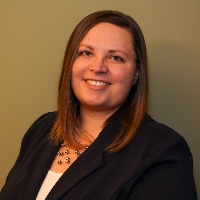
Illinois · 12 yrs exp
Works with Stress, Anxiety / Trauma and abuse / Parenting +13
Works by Client-Centered Therapy / Cognitive Behavioral Therapy (CBT)
View Profile
Texas · 25 yrs exp
Works with Stress, Anxiety / Family / Intimacy-related issues +16
Works by Attachment-Based Therapy / Client-Centered Therapy
View Profile
Florida · 30 yrs exp
Works with Stress, Anxiety / Grief / Anger +16
Works by Cognitive Behavioral Therapy (CBT) / Solution-Focused Therapy
View Profile
Indiana · 8 yrs exp
Works with Stress, Anxiety / Addictions / Family +16
Works by Acceptance and Commitment Therapy (ACT) / Attachment-Based Therapy
View Profile
Florida · 20 yrs exp
Works with Addictions / Relationship / Trauma and abuse +15
Works by Acceptance and Commitment Therapy (ACT) / Attachment-Based Therapy
View Profile
Virginia · 31 yrs exp
Works with Stress, Anxiety / Relationship / Family +13
Works by Attachment-Based Therapy / Client-Centered Therapy
View Profile
Florida · 17 yrs exp
Works with Stress, Anxiety / Trauma and abuse / Eating +15
Works by Acceptance and Commitment Therapy (ACT) / Client-Centered Therapy
View Profile
Mississippi · 25 yrs exp
Works with Stress, Anxiety / Relationship / Family +16
Works by Acceptance and Commitment Therapy (ACT) / Client-Centered Therapy
View Profile
Georgia · 25 yrs exp
Works with Stress, Anxiety / Parenting / Anger +16
Works by Attachment-Based Therapy / Client-Centered Therapy
View Profile
Florida · 14 yrs exp
Works with Stress, Anxiety / Trauma and abuse / Grief +14
Works by Cognitive Behavioral Therapy (CBT) / Dialectical Behavior Therapy (DBT)
View Profile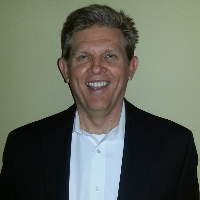
Texas · 18 yrs exp
Works with Stress, Anxiety / Relationship / Family +10
Works by Cognitive Behavioral Therapy (CBT) / Mindfulness Therapy
View Profile
Florida · 24 yrs exp
Works with Stress, Anxiety / Addictions / Grief +15
Works by Acceptance and Commitment Therapy (ACT) / Client-Centered Therapy
View Profile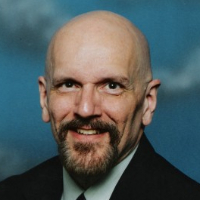
Illinois · 20 yrs exp
Works with Stress, Anxiety / Grief / Self esteem +12
Works by Client-Centered Therapy / Cognitive Behavioral Therapy (CBT)
View Profile
Hawaii · 3 yrs exp
Works with Stress, Anxiety / Addictions / Relationship +2
Works by Client-Centered Therapy / Cognitive Behavioral Therapy (CBT)
View Profile
Alaska · 11 yrs exp
Works with Stress, Anxiety / Relationship / Family +10
Works by Client-Centered Therapy / Cognitive Behavioral Therapy (CBT)
View Profile
Ohio · 17 yrs exp
Works with Stress, Anxiety / Family / Parenting +13
Works by Attachment-Based Therapy / Client-Centered Therapy
View Profile
Arkansas · 44 yrs exp
Works with Stress, Anxiety / Trauma and abuse / Grief +17
Works by Acceptance and Commitment Therapy (ACT) / Client-Centered Therapy
View Profile
Florida · 33 yrs exp
Works with Stress, Anxiety / LGBT / Relationship +9
Works by Client-Centered Therapy / Cognitive Behavioral Therapy (CBT)
View Profile
North Carolina · 16 yrs exp
Works with Stress, Anxiety / Addictions / Trauma and abuse +14
Works by Acceptance and Commitment Therapy (ACT) / Client-Centered Therapy
View Profile
Kansas · 17 yrs exp
Works with Stress, Anxiety / Relationship / Family +11
Works by Attachment-Based Therapy / Client-Centered Therapy
View Profile
Missouri · 17 yrs exp
Works with Stress, Anxiety / Addictions / Relationship +10
Works by Attachment-Based Therapy / Client-Centered Therapy
View Profile
Wyoming · 14 yrs exp
Works with Addictions / Relationship / Depression +12
Works by Client-Centered Therapy / Cognitive Behavioral Therapy (CBT)
View Profile
New York · 25 yrs exp · 2 languages
Works with Stress, Anxiety / Grief / Anger +7
Works by Client-Centered Therapy / Cognitive Behavioral Therapy (CBT)
View Profile
Texas · 26 yrs exp
Works with Stress, Anxiety / Relationship / Trauma and abuse +12
Works by Client-Centered Therapy / Cognitive Behavioral Therapy (CBT)
View Profile
Michigan · 13 yrs exp
Works with Stress, Anxiety / Addictions / Trauma and abuse +17
Works by Acceptance and Commitment Therapy (ACT) / Client-Centered Therapy
View Profile
Texas · 20 yrs exp
Works with Stress, Anxiety / Relationship / Family +14
Works by Attachment-Based Therapy / Client-Centered Therapy
View Profile
Florida · 20 yrs exp
Works with Stress, Anxiety / Relationship / Grief +2
Works by Acceptance and Commitment Therapy (ACT) / Attachment-Based Therapy
View Profile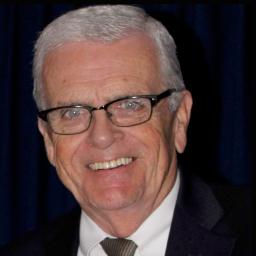
Florida · 24 yrs exp
Works with Stress, Anxiety / Relationship / Family +12
Works by Client-Centered Therapy / Cognitive Behavioral Therapy (CBT)
View Profile
Michigan · 20 yrs exp
Works with Stress, Anxiety / Addictions / Trauma and abuse +11
Works by Acceptance and Commitment Therapy (ACT) / Client-Centered Therapy
View Profile
Texas · 18 yrs exp
Works with Stress, Anxiety / Addictions / LGBT +15
Works by Attachment-Based Therapy / Client-Centered Therapy
View ProfileSolution-Focused Therapy centers on building solutions rather than spending extensive time analyzing problems. In practice you and a therapist work together to identify concrete, achievable goals and to notice the small changes that point toward progress. The approach rests on several core principles: focusing on what you want to achieve, amplifying existing strengths and resources, and assuming that even small steps can lead to meaningful change. Therapists who list Solution-Focused Therapy among their approaches tend to use techniques that highlight exceptions - times when the problem is less intense or absent - and to ask questions that help you envision a preferred future.
Rather than tracing every cause or exploring deep historical roots, the work is pragmatic. A therapist will invite you to articulate what would be different if the issue were partly or fully resolved and then to map out manageable steps to get there. This does not mean your concerns are minimized. Instead, the process is designed to channel attention toward practical strategies and leverage what already works in your life. The collaborative tone gives you a central role in defining outcomes and measuring progress.
The focus on goals, the search for exceptions, and the use of scaling questions are typical tools. Scaling questions ask you to rate where you are now on a progress scale and to identify next steps that could move the dial even one point. The miracle question - an invitation to imagine waking up with the problem solved - can help clarify priorities and practical steps. Overall the orientation is future-focused, brief, and oriented toward action.
People turn to Solution-Focused Therapy for a range of concerns that benefit from a structured, goal-oriented conversation. You might encounter it in work with anxiety symptoms, low mood, relationship challenges, parenting difficulties, workplace stress, and life transitions such as career change or relocation. Because of its emphasis on immediate change and pragmatic steps, it is also commonly used for short-term problem solving and for situations where you want to make measurable progress in a limited number of sessions.
Solution-Focused Therapy can be applied to individual work, couples, and families. For relational concerns the approach helps clarify desired interactions and small shifts that can improve communication. In parenting contexts it can assist in identifying strategies that have worked before and adapting them to current challenges. For day-to-day stress or task-oriented goals, you can expect a focus on actionable next steps rather than deep exploration of past events. That makes the approach flexible for many practical concerns, though some issues that require intensive exploration or medical attention may be addressed alongside other supports.
A typical Solution-Focused Therapy session begins with an open conversation about what you would like to achieve. The therapist will ask you to describe a preferred future and to pinpoint specific, observable changes that would indicate progress. You will likely be invited to describe exceptions - moments when the problem was absent or less severe - and to reflect on what made those moments possible. This helps uncover resources and behaviors you can reuse.
Sessions often include scaling questions where you rate progress on a numerical scale and identify small, practical steps to move up one or two points. Expect homework that is action-oriented and brief, such as trying a new behavior during the week, noticing when something goes differently, or experimenting with an alternative response. The therapist’s role is collaborative - they help you identify and amplify what is already working - and sessions are typically structured to build momentum toward the goals you set together. Over time progress is measured against the specific changes you described rather than only by symptom reduction.
Early sessions focus on clarifying goals and discovering exceptions. You will work with the therapist to define what success looks like and to identify very small, concrete steps. If you prefer a more exploratory process, you can discuss how Solution-Focused techniques might be combined with other approaches to fit your needs.
Solution-Focused Therapy stands out because of its future orientation and its emphasis on strengths rather than on extensive problem analysis. Compared with approaches that explore the root causes of behavior or long-term patterns, Solution-Focused work is typically shorter and more directive about goal-setting. For example, psychodynamic approaches may delve into historical patterns and unconscious influences, while Solution-Focused Therapy prioritizes what you can do now to move toward your goals.
Compared with cognitive-behavioral approaches, there is overlap in the focus on practical strategies, but Solution-Focused Therapy often places greater emphasis on exceptions and on amplifying what works rather than on identifying and restructuring thought patterns. Person-centered methods emphasize unconditional acceptance and exploration at your pace, while Solution-Focused Therapy moves more quickly into goal definition and action. Many therapists combine elements from several approaches, so you may encounter practitioners who integrate Solution-Focused techniques with other methods to match your preferences and situation.
Solution-Focused Therapy can be a suitable path if you want to make focused, practical changes within a relatively brief time frame. If you have clear goals, are willing to try small experiments between sessions, and prefer a forward-looking conversation, you may find this approach helpful. It is often a good fit when you want to address specific problems or patterns without embarking on long-term exploratory therapy. At the same time, people dealing with complex trauma or medical issues often combine Solution-Focused work with other supports; you can discuss that with a therapist to tailor the approach.
When searching for a therapist who uses Solution-Focused Therapy, look for profiles that list this approach among their methods. Read about the therapist’s focus areas, languages, credentials, and the types of clients they describe working with. Pay attention to how they explain their approach in plain language and whether their description aligns with your goals. Consider reaching out to ask about how they typically use Solution-Focused techniques in sessions, what a short-term plan might look like, and how they measure progress. If you prefer a specific session format, note whether they offer in-person, remote, or hybrid sessions in the profile details. Taking time to review profiles and to reflect on your goals will help you identify a therapist whose style and experience match what you want to accomplish.
Ask how the therapist describes a typical Solution-Focused session and how they help clients set measurable goals. Inquire about languages spoken, population focus such as working with families or adults, and how they combine different approaches when needed. These conversations can help you decide whether a therapist’s way of working fits your preferences.
Solution-Focused Therapy offers a pragmatic framework for change that centers your goals and strengths. By understanding the principles, what a session looks like, and how to evaluate profiles, you can make an informed choice about whether this approach aligns with what you want to work on. Use the listings to read descriptions, compare styles, and connect with therapists who list Solution-Focused Therapy among their approaches so you can begin shaping the practical steps toward the changes you want to see.
Alabama
44 therapists
Alaska
6 therapists
Arizona
45 therapists
Arkansas
19 therapists
Australia
125 therapists
California
219 therapists
Colorado
66 therapists
Connecticut
19 therapists
Delaware
7 therapists
District of Columbia
2 therapists
Florida
404 therapists
Georgia
85 therapists
Hawaii
13 therapists
Idaho
24 therapists
Illinois
99 therapists
Indiana
60 therapists
Iowa
22 therapists
Kansas
30 therapists
Kentucky
47 therapists
Louisiana
68 therapists
Maine
14 therapists
Maryland
35 therapists
Massachusetts
36 therapists
Michigan
128 therapists
Minnesota
37 therapists
Mississippi
31 therapists
Missouri
84 therapists
Montana
20 therapists
Nebraska
24 therapists
Nevada
17 therapists
New Hampshire
13 therapists
New Jersey
85 therapists
New Mexico
15 therapists
New York
155 therapists
North Carolina
130 therapists
North Dakota
4 therapists
Ohio
84 therapists
Oklahoma
53 therapists
Oregon
22 therapists
Pennsylvania
120 therapists
Rhode Island
7 therapists
South Carolina
52 therapists
South Dakota
10 therapists
Tennessee
58 therapists
Texas
332 therapists
United Kingdom
1261 therapists
Utah
38 therapists
Vermont
8 therapists
Virginia
53 therapists
Washington
40 therapists
West Virginia
18 therapists
Wisconsin
59 therapists
Wyoming
13 therapists