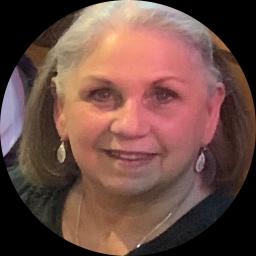
About Vickie
Vickie Frizzell Pratt, LIMHP, brings 29 years of clinical work to her practice in Nebraska. She focuses on common struggles such as anxiety, depression, bipolar disorder, trauma, and low self-esteem. She uses a straightforward, person-centered way of meeting people where they are.
Her style is calm and collaborative. She listens first, then helps people set clear, manageable goals. Sessions often include problem-solving steps, gentle exploration of past hurts, and practical coping tools for day-to-day life.
Background and approach
She draws on approaches such as cognitive behavioral methods to change unhelpful thinking, mindfulness practices to build moment-to-moment awareness, and emotionally focused work to address painful relationship patterns. For some trauma work she incorporates eye movement desensitization and reprocessing techniques alongside talk therapy. Vickie helps people dealing with a wide range of issues beyond core mood and trauma concerns.
These include abandonment, attachment struggles, body image, chronic illness or pain, caregiver stress, and communication or control problems. She also supports people managing life transitions and the impact of serious illness like cancer. Sessions are offered in English and American Sign Language.
She works with each person to build coping skills, strengthen resilience, and create plans that fit daily life.
How Vickie’s Approaches Work Online
Vickie uses cognitive behavioral methods to help people identify and change unhelpful thinking and behavior patterns. In online sessions she might guide a person through thought records, behavioral experiments, or simple homework to practice between meetings.She also integrates emotionally focused techniques that help people notice and name emotions and how those feelings shape interactions. This work can support healing after relationship ruptures or when strong emotions feel overwhelming.
Finding the right approach is part of the process and she makes that decision together with each person. She will talk about what feels most useful, try strategies, and adjust methods based on goals, comfort, and progress.
Online therapy offers practical flexibility. Video calls allow face-to-face conversation when visual cues help the work. Phone sessions can be shorter check-ins or work better when bandwidth is limited. Live chat and text-based messaging make it possible to share updates, process moments between sessions, or get support without scheduling a full call. These options make it easier to fit therapy into a busy life and to keep steady momentum toward personal goals.
Questions people ask
What kinds of problems does she help with?
What is her therapeutic style like?
How much clinical experience does she have?
What credential does she hold and where is she based?
Can sessions be conducted in other languages?
What session formats are available?
How much do sessions cost?
How do I begin working with her?
What this therapist works with
Also listed
- Abandonment
- Aging and geriatric issues
- Attachment issues
- Avoidant personality
- Bipolar disorder
- Blended family issues
- Body image
- Cancer
- Caregiver issues and stress
- Chronic pain, illness, and disability
- Co-morbidity
- Codependency
- Commitment issues
- Communication problems
- Control issues
- Coping with natural or human-caused disaster
- Dependent personality
- Depression
- Disruptive Mood Dysregulation Disorder (DMDD)
- Dissociation
- Divorce and separation
- Domestic violence
- Drug and alcohol addiction
- Emptiness
- Family of origin issues
- Family problems
- First responder issues
- Forgiveness
- Gender dysphoria
- Guilt and shame
- Hearing impaired
- HIV / AIDS
- Hoarding
- Hospice and end-of-life counseling
- Immigration issues
- Impulsivity
- Infidelity
- Isolation / loneliness
- Jealousy
- Life purpose
- Men's issues
- Midlife crisis
- Mood disorders
- Multicultural concerns
- Narcissism
- Obsessions, compulsions, and OCD
- Panic disorder and panic attacks
- Phobias
- Post-traumatic stress
- Postpartum depression
- Prejudice and discrimination
- Seasonal Affective Disorder (SAD)
- Self-harm
- Self-love
- Sexual assault and abuse
- Sexuality
- Social anxiety and phobia
- Traumatic brain injury
- Trichotillomania
- Veteran and Armed Forces Issues
- Visually impaired
- Women's issues
- Workplace issues
- Young adult issues
Therapeutic approaches
- Experience
- 29 years
- Licensed
- Nebraska
- Languages
- English, American Sign Language
We will earn a commission if you sign up through our link, at no cost to you.