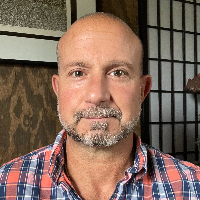
About Timothy
Timothy Welch is a Licensed Professional Clinical Counselor with 22 years of experience. He approaches therapy as a collaborative effort and aims to help people move past what is holding them back. Timothy emphasizes respect for each person's story and works to empower clients toward practical change.
He focuses on concerns such as stress, anxiety, addictions, depression, grief, trauma and phobias. He also supports people facing relationship friction, parenting strain, career challenges, and identity issues including LGBT concerns.
Background and approach
Timothy has long experience with substance use recovery and helping people rebuild after loss. In sessions he uses straightforward, goal-oriented work. He blends client-centered conversation with tools from cognitive behavioral approaches and skills training to reduce distress.
He also draws on emotion-focused ideas to address relationship patterns and on existential themes when people face big life questions. Timothy maintains a telehealth practice based in Ohio and accepts clients who prefer online options. He can work with insurance for clients located in Ohio.
He also offers coaching services separately for people who want extra accountability and skills practice between sessions. His background includes community mental health, crisis intervention, inpatient and rehabilitation settings, and work with diverse populations in shelters and hospices. That range informs a practical, steady approach focused on what helps someone function day to day.
People typically find his style direct and encouraging. He aims to help each person build tools, notice patterns, and take manageable steps toward better daily functioning.
How therapeutic approaches translate to online care
Client-centered therapy focuses on listening and understanding each person's experience. In online sessions this means the therapist follows your lead, reflects what matters to you, and helps set goals that fit your life. Cognitive behavioral therapy, or CBT, teaches practical strategies to change unhelpful thoughts and behaviors. Online CBT can include short exercises, planning between sessions, and tracking progress to reduce anxiety, depression, and phobia responses.Finding the right approach is part of the work. The therapist will collaborate with you to choose techniques that match your goals, preferences, and what feels useful. That might mean using CBT tools one week and focusing on emotional patterns the next. The plan can shift as needs change, with your input guiding what comes next.
Online care is offered through video calls, phone sessions, live chat, or text-based messaging to fit busy schedules. Video lets you see facial cues and form a connection, phone can be simpler when bandwidth is limited, chat is useful for short check-ins, and messaging supports ongoing reflection and quick skill practice. These options make it easier to keep consistent sessions and use therapeutic tools between meetings.
Questions people ask
What concerns does Timothy often address?
How would you describe his therapeutic style?
How much experience does he bring to sessions?
What credentials and location apply to this therapist?
Which languages and international arrangements are supported?
What session formats does he offer?
How are fees and billing handled?
What is the first step to begin working with him?
What this therapist works with
Most often
Also listed
- Abandonment
- ADHD
- Adoption and foster care
- Anger management
- Antisocial personality
- Attachment issues
- Autism and Asperger Syndrome
- Avoidant personality
- Bipolar disorder
- Blended family issues
- Body image
- Career difficulties
- Caregiver issues and stress
- Chronic pain, illness, and disability
- Co-morbidity
- Coaching
- Codependency
- Commitment issues
- Communication problems
- Compassion fatigue
- Control issues
- Coping with life changes
- Coping with natural or human-caused disaster
- Dependent personality
- Depression
- Disruptive Mood Dysregulation Disorder (DMDD)
- Divorce and separation
- Drug and alcohol addiction
- Eating and food-related issues
- Eating disorders
- Emptiness
- Family conflicts
- Family of origin issues
- Family problems
- Fatherhood issues
- Fertility issues
- First responder issues
- Forgiveness
- Grief
- Guilt and shame
- Impulsivity
- Intimacy-related issues
- Isolation / loneliness
- Jealousy
- LGBT
- Life purpose
- Men's issues
- Midlife crisis
- Mood disorders
- Multicultural concerns
- Narcissism
- Obsessions, compulsions, and OCD
- Panic disorder and panic attacks
- Parenting issues
- Personality disorders
- Phobias
- Post-traumatic stress
- Postpartum depression
- Prejudice and discrimination
- Process addiction (porn, exercise, gambling)
- Relationship issues
- Seasonal Affective Disorder (SAD)
- Self-harm
- Self-love
- Sleeping disorders
- Smoking / vaping cessation
- Social anxiety and phobia
- Somatization
- Trauma and abuse
- Veteran and Armed Forces Issues
- Workplace issues
Therapeutic approaches
- Client-Centered Therapy
- Cognitive Behavioral Therapy (CBT)
- Dialectical Behavior Therapy (DBT)
- Emotionally-Focused Therapy (EFT)
- Existential Therapy
- Eye Movement Desensitization and Reprocessing (EMDR)
- Mindfulness Therapy
- Motivational Interviewing
- Narrative Therapy
- Solution-Focused Therapy
- Somatic Therapy
- Trauma-Focused Therapy
- Experience
- 22 years
- Licensed
- Ohio
- Languages
- English
We will earn a commission if you sign up through our link, at no cost to you.