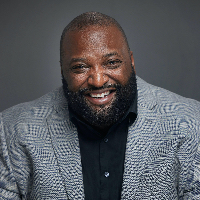
About Patrick
Dr. Patrick Casthely is a Licensed Mental Health Counselor (LMHC) practicing in Florida with three decades of clinical experience. He brings long-term work with people facing anxiety, depression, addiction, and life transitions.
He offers a calm, respectful presence and focuses on practical next steps rather than labels. He uses a mix of approaches to match each person's needs. Sessions center on clear goals and collaborative planning.
He listens for strengths and builds on them to help people manage stress, relationships, grief, and confidence challenges.
Background and approach
Over his career he has worked across community mental health, substance use treatment, and independent practice settings. That background informs a flexible style that fits both short-term problem solving and longer term personal growth. He draws on cognitive and narrative techniques alongside client-centered conversations.
People can expect direct, ordinary language in sessions. Dr. Casthely focuses on skills people can use right away - breathing, thought reframes, communication strategies, and steps toward healthier routines.
He also uses open questions and reflective listening to clarify values and goals. He offers video calls, phone sessions, live chat, and text-based messaging to suit different schedules. Sessions are arranged through a subscription model that can be canceled at any time.
To begin, a Start Therapy button is used to complete a short matching questionnaire and schedule according to availability.
How therapeutic approaches translate to online care
Client-Centered Therapy emphasizes listening and following the person's lead. In practice this means sessions focus on what matters most to the person, using reflective conversation to help them name goals and notice strengths. This approach is useful for concerns like self-esteem, coping with life changes, and relationship questions.Cognitive Behavioral Therapy, or CBT, looks at how thoughts, behaviors, and feelings connect. It teaches practical exercises such as noticing unhelpful thoughts and trying small behavior changes. CBT is often used for anxiety, depression, and stress so people leave sessions with actionable tools.
Narrative Therapy helps people separate themselves from problems by talking about the stories they live with. It can shift how someone understands issues like addiction, trauma, or identity concerns by exploring alternative, strength-focused narratives.
Choosing the right approach is a collaborative process. The therapist will discuss goals, preferences, and what has or hasn’t helped before, then try methods that fit those needs. Adjustments are made along the way based on what the person finds helpful.
Online formats offer flexibility and ease of access. Video calls allow face-to-face conversation when needed, phone sessions can be simpler when bandwidth is low, live chat fits quick check-ins, and text messaging supports brief, ongoing reflection between meetings. These options make it easier to fit therapy into work, school, or caregiving schedules while keeping the focus on practical progress.
Questions people ask
What concerns does he help with?
What is his therapeutic style like?
How much clinical experience does he have?
What credentials and location are listed?
Which languages are supported for sessions?
What session formats are available?
How does payment and cost work?
How do I start a therapy relationship?
What this therapist works with
Most often
- Stress, Anxiety
- Addictions
- Relationship issues
Also listed
- Abandonment
- Aging and geriatric issues
- Anger management
- Antisocial personality
- Attachment issues
- Avoidant personality
- BDSM, kink, and alternative sex culture
- Bipolar disorder
- Blended family issues
- Body image
- Cancer
- Career difficulties
- Caregiver issues and stress
- Chronic pain, illness, and disability
- Co-morbidity
- Coaching
- Codependency
- Commitment issues
- Communication problems
- Compassion fatigue
- Control issues
- Coping with life changes
- Coping with natural or human-caused disaster
- Dependent personality
- Depression
- Disruptive Mood Dysregulation Disorder (DMDD)
- Dissociation
- Divorce and separation
- Domestic violence
- Drug and alcohol addiction
- Eating and food-related issues
- Emptiness
- Family conflicts
- Family of origin issues
- Family problems
- Fatherhood issues
- First responder issues
- Forgiveness
- Gender dysphoria
- Grief
- Guilt and shame
- Hearing impaired
- HIV / AIDS
- Hoarding
- Hospice and end-of-life counseling
- Immigration issues
- Impulsivity
- Infidelity
- Intellectual disability
- Intimacy-related issues
- Isolation / loneliness
- Jealousy
- LGBT
- Life purpose
- Men's issues
- Midlife crisis
- Money and financial issues
- Mood disorders
- Multicultural concerns
- Narcissism
- Obsessions, compulsions, and OCD
- Panic disorder and panic attacks
- Paranoia
- Parenting issues
- Personality disorders
- Phobias
- Polyamory / non-monogamous relationships
- Post-traumatic stress
- Postpartum depression
- Pregnancy and childbirth
- Prejudice and discrimination
- Process addiction (porn, exercise, gambling)
- Seasonal Affective Disorder (SAD)
- Self esteem
- Self-harm
- Self-love
- Sex addiction
- Sexual assault and abuse
- Sexual dysfunction
- Sexuality
- Smoking / vaping cessation
- Social anxiety and phobia
- Somatization
- Trauma and abuse
- Traumatic brain injury
- Trichotillomania
- Veteran and Armed Forces Issues
- Visually impaired
- Workplace issues
- Young adult issues
Therapeutic approaches
- Experience
- 30 years
- Licensed
- Florida
- Languages
- English
We will earn a commission if you sign up through our link, at no cost to you.