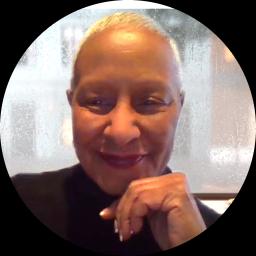
About Nia
Nia Rose is a Licensed Clinical Mental Health Counselor (LCMHC) based in North Carolina. She brings 30 years of experience and a calm, nonjudgmental presence to sessions. She focuses on helping people who struggle with phobias, addictions, trauma, depression, and relationship and intimacy challenges.
She aims to create an open space where clients can talk through hard thoughts and painful memories without feeling judged. Conversations move at the client’s pace and focus on realistic steps people can use between sessions.
Background and approach
Nia emphasizes returning to values and small changes that build confidence over time. Her work blends practical skills with deeper emotional work. That means using problem-solving tools alongside attention to feelings and connection.
She often draws from cognitive behavior techniques to shift unhelpful thinking and from emotion-focused approaches to repair hurt in relationships. Nia also uses acceptance and commitment ideas to help people notice what matters most and act on it, even when anxiety or fear is strong. Dialectical behavior strategies are used when regulation and distress tolerance are needed.
The goal is to help people manage intense reactions and build steady routines. Over three decades she has supported people facing substance and alcohol issues, trauma and abuse, ADHD, body image and eating concerns, and caregiver stress. She works with a wide range of life challenges and helps clients find practical ways forward.
Approach-driven care you can access online
Acceptance and Commitment Therapy (ACT) helps people clarify their values and take small, meaningful steps even when anxiety or fear is present. It’s useful for phobias, avoidance, and getting unstuck from patterns that limit daily life. Cognitive Behavioral Therapy (CBT) focuses on identifying and changing unhelpful thoughts and behaviors with practical exercises that people can practice between sessions. It often helps with depression, anxiety, phobias, and substance-related problems.Finding the right approach is a collaborative process. The therapist will listen to concerns, try a few methods, and adjust based on what helps most. Clients and the therapist decide together which tools to use and when to shift focus as goals evolve.
Online sessions are offered by video, phone, live chat, and text messaging to make therapy more flexible. Video calls allow face-to-face conversation and visual cues. Phone sessions suit people with lower bandwidth or who prefer not to be on camera. Live chat and text-based messaging are useful for shorter check-ins, step-by-step skill practice, or fitting support into a busy day. These options help people keep therapy consistent around work, caregiving, or travel.
Questions people ask
What kinds of concerns does she address?
How would you describe her therapeutic style?
What experience does she bring to sessions?
Where is she licensed and located?
In which languages are sessions offered?
What session formats are available online?
How does cost and payment work?
What should I do to start working with her?
What this therapist works with
Also listed
- Abandonment
- ADHD
- Aging and geriatric issues
- Avoidant personality
- Body image
- Caregiver issues and stress
- Codependency
- Commitment issues
- Communication problems
- Control issues
- Dependent personality
- Depression
- Disruptive Mood Dysregulation Disorder (DMDD)
- Domestic violence
- Drug and alcohol addiction
- Eating and food-related issues
- Emptiness
- Family conflicts
- Family of origin issues
- First responder issues
- Forgiveness
- Gender dysphoria
- Guilt and shame
- HIV / AIDS
- Hoarding
- Impulsivity
- Infidelity
- Isolation / loneliness
- Jealousy
- Life purpose
- Midlife crisis
- Mood disorders
- Multicultural concerns
- Narcissism
- Obsessions, compulsions, and OCD
- Panic disorder and panic attacks
- Paranoia
- Personality disorders
- Phobias
- Post-traumatic stress
- Prejudice and discrimination
- Process addiction (porn, exercise, gambling)
- Relationship issues
- Seasonal Affective Disorder (SAD)
- Self esteem
- Self-harm
- Self-love
- Sex addiction
- Sexual assault and abuse
- Sexuality
- Social anxiety and phobia
- Women's issues
- Workplace issues
Therapeutic approaches
- Experience
- 30 years
- Licensed
- North Carolina
- Languages
- English
We will earn a commission if you sign up through our link, at no cost to you.