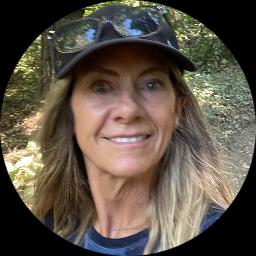
About Michelle
Michelle Underwood is a licensed mental health counselor with 15 years of experience. She works with adults feeling overwhelmed by stress, anxiety, or major life changes and helps people facing phobias, addiction, grief, and relationship challenges. She uses straightforward talk and practical steps in sessions.
Michelle focuses on building habits that reduce distress and improve day-to-day functioning. She also helps people untangle communication problems and intimacy-related concerns. Her background blends several approaches to fit each person.
Background and approach
She draws from Acceptance and Commitment Therapy to help people clarify values and take small, purposeful steps. Attachment-based ideas guide work on connection and trust, especially after abandonment or relationship pain. Client-centered methods shape sessions around each person’s own goals and pace.
When relationship issues arise, she uses tools from the Gottman Method to address patterns and improve problem-solving. Existential themes are woven in for people weighing meaning, identity, or major life transitions. Michelle practices in Florida as an FL LMHC.
Sessions can address many areas including stress, depression, ADHD, eating and sleep concerns, chronic illness, and codependency. She aims for clear goals, usable skills, and steady progress. Her style is calm, direct, and respectful.
People can expect a conversational space that focuses on what matters to them and on concrete steps they can try between sessions.
Practical approaches adapted for online care
Michelle often uses Acceptance and Commitment Therapy to help people name what matters, accept difficult feelings, and take small steps toward a meaningful life. That approach can be helpful for anxiety, stress, phobias, and motivation problems. She also applies Attachment-Based Therapy to address patterns of connection and trust after abandonment, relationship pain, or attachment issues. This helps people understand how past bonds shape current reactions and build new ways of relating.Finding the right approach is collaborative. Michelle will work with each person to choose methods that match their goals and preferences, and she adjusts strategies as progress unfolds. Clients and the therapist decide together which tools to try and how to measure results.
Online sessions are offered by video calls, phone sessions, live chat, or text-based messaging to fit different needs. Video calls are useful for in-depth conversation and demonstrations. Phone sessions use less bandwidth and can fit a break at work. Live chat or messaging can support quick check-ins, brief coaching, or ongoing tracking between longer sessions. These options make therapy more flexible and easier to fit into a busy life.
Questions people ask
What issues can Michelle help with?
What is her therapy style like?
How long has she practiced?
Where is she licensed and based?
Which languages are supported for sessions?
Can international clients work with her?
What session formats are available?
How does the subscription and cost work?
What this therapist works with
Most often
- Stress, Anxiety
- Addictions
- Relationship issues
Also listed
- Abandonment
- ADHD
- Aging and geriatric issues
- Anger management
- Attachment issues
- Body image
- Chronic pain, illness, and disability
- Coaching
- Codependency
- Commitment issues
- Communication problems
- Control issues
- Coping with life changes
- Depression
- Dissociation
- Divorce and separation
- Drug and alcohol addiction
- Eating and food-related issues
- Eating disorders
- Family conflicts
- Family of origin issues
- Family problems
- First responder issues
- Forgiveness
- Gender dysphoria
- Grief
- Guilt and shame
- HIV / AIDS
- Impulsivity
- Infidelity
- Intimacy-related issues
- Isolation / loneliness
- LGBT
- Life purpose
- Men's issues
- Midlife crisis
- Money and financial issues
- Narcissism
- Obsessions, compulsions, and OCD
- Panic disorder and panic attacks
- Parenting issues
- Personality disorders
- Phobias
- Polyamory / non-monogamous relationships
- Post-traumatic stress
- Process addiction (porn, exercise, gambling)
- Self esteem
- Self-love
- Sex addiction
- Sexual assault and abuse
- Sexual dysfunction
- Sexuality
- Sleeping disorders
- Social anxiety and phobia
- Trauma and abuse
- Traumatic brain injury
- Trichotillomania
- Veteran and Armed Forces Issues
- Women's issues
- Workplace issues
Therapeutic approaches
- Experience
- 15 years
- Licensed
- Florida
- Languages
- English
We will earn a commission if you sign up through our link, at no cost to you.