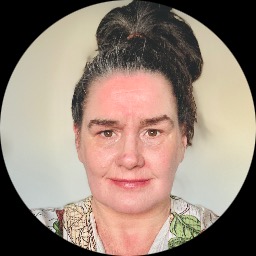
About Jennifer
Jennifer Cromar is a counsellor with 18 years of experience working in the United Kingdom. She holds registration with the British Association for Counselling and Psychotherapy (BACP). Jennifer aims to make the first step into therapy feel manageable and respectful for people who are worried or overwhelmed.
She helps with stress, anxiety, depression and trauma and abuse. She also supports people facing parenting challenges and those coping with major life changes.
Background and approach
Jennifer often works with people who are creative and who want to use writing or art as part of their sessions. Her style is warm and down-to-earth. She adapts conversations and the plan for therapy to fit each person’s needs.
Sessions focus on what matters now and on small, practical steps that can help day to day. Jennifer draws on a range of approaches to match the person in front of her. She uses client-centred listening alongside cognitive behavioural techniques to look at thoughts and behaviours.
Emotionally-focused and Jungian ideas are available when exploring relationships and personal meaning. People can expect a collaborative process. Jennifer aims to treat everyone with sensitivity and compassion while helping them build coping tools.
She describes therapy as a joint effort to support change and greater wellbeing.
How therapeutic approaches work online
Client-Centred Therapy emphasises listening and responding to the person in front of the therapist. It helps people feel heard and decide what they want to focus on in sessions. Cognitive Behavioural Therapy, or CBT, looks at how thoughts, feelings and actions interact and teaches practical strategies to change unhelpful patterns, which can be useful for anxiety and depression.Finding the right approach is part of the work. The therapist will talk with the client about their goals and preferences and then try techniques that feel most helpful. This is a collaborative process and approaches can be mixed or adjusted as needs change.
Online therapy with video calls, phone sessions, live chat or text-based messaging makes it easier to fit sessions into a busy life. Video lets people use face-to-face conversation; phone calls need less bandwidth. Live chat or messaging can suit short check-ins or for people who prefer writing. These options offer flexibility and keep therapy accessible across different schedules and situations.
Questions people ask
What concerns does Jennifer usually help with?
What is her therapeutic style like?
How much experience does she have?
What credentials and location are listed?
Which languages are used in sessions?
What session formats does she offer online?
How are sessions paid for?
How do I begin working with her?
What this therapist works with
Most often
- Stress, Anxiety
- Trauma and abuse
- Parenting issues
Also listed
- Abandonment
- Adoption and foster care
- Aging and geriatric issues
- Antisocial personality
- Attachment issues
- Autism and Asperger Syndrome
- Avoidant personality
- Blended family issues
- Body image
- Cancer
- Caregiver issues and stress
- Chronic pain, illness, and disability
- Co-morbidity
- Codependency
- Commitment issues
- Communication problems
- Control issues
- Coping with life changes
- Coping with natural or human-caused disaster
- Dependent personality
- Depression
- Dissociation
- Divorce and separation
- Domestic violence
- Drug and alcohol addiction
- Eating and food-related issues
- Emptiness
- Family of origin issues
- Family problems
- Fatherhood issues
- Fertility issues
- First responder issues
- Forgiveness
- Gender dysphoria
- Guilt and shame
- Hearing impaired
- HIV / AIDS
- Hoarding
- Hospice and end-of-life counseling
- Immigration issues
- Impulsivity
- Infidelity
- Intellectual disability
- Isolation / loneliness
- Jealousy
- Life purpose
- Midlife crisis
- Money and financial issues
- Mood disorders
- Narcissism
- Obsessions, compulsions, and OCD
- Panic disorder and panic attacks
- Paranoia
- Personality disorders
- Phobias
- Post-traumatic stress
- Postpartum depression
- Pregnancy and childbirth
- Prejudice and discrimination
- Process addiction (porn, exercise, gambling)
- Seasonal Affective Disorder (SAD)
- Self-harm
- Self-love
- Sex addiction
- Sexual assault and abuse
- Sexual dysfunction
- Sexuality
- Smoking / vaping cessation
- Social anxiety and phobia
- Traumatic brain injury
- Trichotillomania
- Visually impaired
- Women's issues
- Workplace issues
- Young adult issues
Therapeutic approaches
- Experience
- 18 years
- Licensed
- Languages
- English
We will earn a commission if you sign up through our link, at no cost to you.