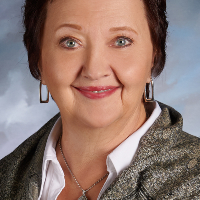
About Ellen
Ellen Shafer-Lind is a Licensed Independent Mental Health Practitioner (LIMHP) who helps people coping with stress, anxiety, grief, relationship concerns, phobias, and life changes. She brings a calm presence and practical focus to sessions. Her goal is to help people find steady ground again.
Ellen draws on more than three decades of clinical work. She uses clear, everyday language and aims to make therapy feel manageable. She listens for what matters most to the person sitting across from her, then works on realistic steps to improve daily life.
Background and approach
Her background includes a Master of Social Work from the University of Nebraska at Omaha and many years in clinical settings, including work with veterans. Ellen has experience across grief and loss, addiction concerns, caregiving stress, and blended family problems. She also supports people facing career stress, eating-related issues, and challenges with intimacy or self-esteem.
In sessions she often uses Cognitive Behavioral Therapy to spot unhelpful thinking and change behavior. She also incorporates client-centered conversations and solution-focused strategies to set short-term goals. Psychodynamic ideas inform deeper work when people want to look at long-standing patterns.
Ellen aims to be present and steady while people work through painful or confusing problems. She frames therapy as a collaborative process and helps people build coping skills they can use outside sessions. Her style tends to be straightforward, caring, and goal-oriented.
Approaches and online options for practical change
Client-centered therapy focuses on the person’s concerns and relies on listening and support to help people feel heard and understood. This approach is useful when someone needs to talk through difficult feelings and regain confidence in their own choices.Cognitive Behavioral Therapy, or CBT, looks at how thoughts, feelings, and actions interact. It teaches people concrete skills to notice unhelpful thinking and try new behaviors, which can help with anxiety, phobias, depression, and stress.
Finding the right approach is part of the work together. The therapist will talk with the client about goals, try methods that fit their needs, and adjust as progress is made. That collaborative process helps shape whether sessions focus more on problem-solving, short-term goals, or exploring deeper patterns.
Online therapy gives flexibility in how and when sessions happen. Video calls are good for a face-to-face feel, phone sessions work when bandwidth is limited, live chat allows quick check-ins, and text messaging supports ongoing reflection between meetings. These options make it easier to fit therapy into work, caregiving, or busy schedules while keeping the focus on practical progress.
Questions people ask
What kinds of problems does Ellen help people with?
What is her basic approach in sessions?
How long has she practiced clinical work?
What credentials and location does she hold?
Can non-US residents work with her?
Which session formats are available?
How are fees structured?
How do I begin working with her?
What this therapist works with
Most often
- Stress, Anxiety
- Family conflicts
- Grief
Also listed
- Addictions
- Aging and geriatric issues
- Anger management
- Bipolar disorder
- Blended family issues
- Body image
- Career difficulties
- Caregiver issues and stress
- Coaching
- Codependency
- Communication problems
- Compassion fatigue
- Control issues
- Coping with life changes
- Dependent personality
- Depression
- Divorce and separation
- Domestic violence
- Eating and food-related issues
- Eating disorders
- Emptiness
- Family of origin issues
- Family problems
- Fatherhood issues
- First responder issues
- Guilt and shame
- Hospice and end-of-life counseling
- Infidelity
- Intimacy-related issues
- Isolation / loneliness
- Jealousy
- Life purpose
- Men's issues
- Midlife crisis
- Obsessions, compulsions, and OCD
- Phobias
- Post-traumatic stress
- Postpartum depression
- Process addiction (porn, exercise, gambling)
- Relationship issues
- Seasonal Affective Disorder (SAD)
- Self esteem
- Self-harm
- Self-love
- Sexual dysfunction
- Sexuality
- Social anxiety and phobia
- Trauma and abuse
- Veteran and Armed Forces Issues
- Women's issues
- Workplace issues
Therapeutic approaches
- Experience
- 36 years
- Licensed
- Nebraska
- Languages
- English
We will earn a commission if you sign up through our link, at no cost to you.