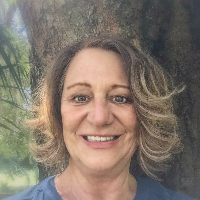
About Susan
Dr. Susan Sult is a Florida psychologist with 35 years of experience helping people manage anxiety, stress, mood struggles, and relationship concerns. She communicates plainly and focuses on practical steps people can use between sessions.
Dr. Sult aims to create a steady, collaborative space where patients can talk through difficult feelings and plan realistic changes. Her work centers on short-term, goal-focused methods that break problems into manageable parts.
She often uses cognitive-behavioral techniques to shift unhelpful thoughts and behaviors.
Background and approach
Mindfulness-based practices are woven in to help people tolerate strong emotions and reduce reactivity. Dr. Sult also draws on dialectical behavior ideas to teach emotional regulation and distress tolerance skills.
Emotionally-focused methods help when relationship patterns and attachment concerns are at issue. She matches the approach to each person’s needs rather than using a single method for everyone. Clients can expect clear explanations of the techniques being used and concrete homework to support progress between sessions.
Sessions move at a practical pace, with attention to immediate coping and longer-term goals. She describes therapy as a partnership where plans are adjusted as people learn what works. Outside of clinical work, Dr.
Sult enjoys horseback riding, quilting, and cooking, and values time with family and friends.
Approaches that translate well to online work
Dr. Sult commonly uses cognitive behavioral therapy and dialectical behavior therapy in sessions. Cognitive behavioral therapy focuses on identifying unhelpful thoughts and testing new behaviors to reduce anxiety and depression. Dialectical behavior therapy teaches concrete skills for managing intense emotions, improving relationships, and tolerating distress.She also draws on emotionally-focused ideas when relationship patterns or attachment concerns are central. That approach helps people see interaction patterns and practice new ways of connecting or communicating. Choosing the right approach is a collaborative process - the therapist and client review goals and try strategies that fit the client’s needs and preferences.
Online formats include video calls, phone sessions, live chat, and text-based messaging. Video is useful for full sessions and visual cues, phone works well for shorter check-ins or when bandwidth is limited, and chat or messaging can support quick skill reminders or brief check-ins between meetings. These options make it easier to fit therapy into a busy life and let people continue work from different locations.
Questions people ask
What kinds of concerns does this therapist help with?
How would you describe the therapy style?
What is her professional background?
What credentials and location are listed?
Which languages are supported for sessions?
What formats are available for sessions?
How is cost handled for sessions?
How do I begin working with this therapist?
What this therapist works with
Most often
- Stress, Anxiety
- Trauma and abuse
- Anger management
Also listed
- Abandonment
- Addictions
- ADHD
- Aging and geriatric issues
- Attachment issues
- BDSM, kink, and alternative sex culture
- Bipolar disorder
- Blended family issues
- Body image
- Cancer
- Career difficulties
- Chronic pain, illness, and disability
- Codependency
- Commitment issues
- Communication problems
- Control issues
- Dependent personality
- Depression
- Dissociation
- Divorce and separation
- Drug and alcohol addiction
- Eating and food-related issues
- Eating disorders
- Emptiness
- Family conflicts
- Family of origin issues
- Family problems
- Fatherhood issues
- Fertility issues
- First responder issues
- Forgiveness
- Gender dysphoria
- Guilt and shame
- Hoarding
- Hospice and end-of-life counseling
- Impulsivity
- Infidelity
- Intimacy-related issues
- Jealousy
- LGBT
- Life purpose
- Midlife crisis
- Money and financial issues
- Mood disorders
- Multicultural concerns
- Obsessions, compulsions, and OCD
- Panic disorder and panic attacks
- Parenting issues
- Personality disorders
- Phobias
- Polyamory / non-monogamous relationships
- Post-traumatic stress
- Postpartum depression
- Pregnancy and childbirth
- Prejudice and discrimination
- Process addiction (porn, exercise, gambling)
- Relationship issues
- Seasonal Affective Disorder (SAD)
- Self esteem
- Sex addiction
- Sexual assault and abuse
- Sexual dysfunction
- Sexuality
- Sleeping disorders
- Smoking / vaping cessation
- Social anxiety and phobia
- Somatization
- Trichotillomania
- Veteran and Armed Forces Issues
- Women's issues
- Workplace issues
- Young adult issues
Therapeutic approaches
- Experience
- 35 years
- Licensed
- Florida
- Languages
- English
We will earn a commission if you sign up through our link, at no cost to you.