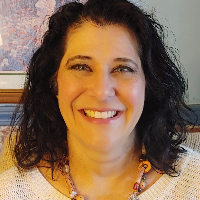
About Nancy
Dr. Nancy Kenyon Richardson greets people with straightforward care and a focus on practical change. She helps those dealing with anxiety, trauma, addiction, relationship strain, grief, and parenting challenges.
Her tone is direct and compassionate, aimed at people who want clear help and real steps forward. Dr. Nancy holds a Ph.D. in psychology with a concentration in addiction and a master's degree in psychology with a concentration in counseling.
She is a Licensed Clinical Mental Health Counselor, LCMHC, practicing in Vermont and bringing ten years of clinical experience.
Background and approach
Her background includes research on recovery after medication-assisted treatment for opioid use. Her work often includes explaining how the brain responds to trauma and habits. She uses that information to help people identify the past "hooks" that keep them stuck and to build different responses in daily life.
Sessions tend to focus on learning tools people can use between meetings and testing new behaviors in real situations. Dr. Nancy combines therapist-attuned listening with clearly described steps.
She draws on approaches that include client-centered methods, cognitive behavioral techniques, dialectical behavior strategies, existential ideas, and EMDR-informed work when appropriate. The result is a practical plan shaped around each person's goals. Outside of practice she has deep ties to Vermont and a long interest in prevention and victim advocacy.
She aims to make therapy understandable and useful so people can move forward from old patterns.
How therapeutic approaches translate to online work
Client-Centered Therapy focuses on listening and building a trusting connection. In online sessions this means the therapist follows the person's lead, reflects what they are saying, and helps them find their own solutions to problems like anxiety or relationship strain.Cognitive Behavioral Therapy, or CBT, teaches practical exercises to change thoughts and behaviors. It works well for anxiety, depression, and stress by breaking problems into small steps and testing new actions between meetings.
Dialectical Behavior Therapy, DBT, provides skills for managing intense emotions and improving communication. It emphasizes learning concrete coping tools and practicing them, which can be useful for anger, relationship conflicts, and overwhelming stress.
Finding the right fit is a collaborative process. The therapist will discuss goals, preferences, and what feels most useful, and then try approaches that match those needs. Adjustments are made over time based on what helps the person progress.
Online formats include video calls, phone sessions, live chat, and text-based messaging. Video is helpful for fuller face-to-face work and skills practice. Phone sessions can be easier when stable internet or camera use is difficult. Live chat and text messaging support quick check-ins, skill coaching between sessions, and short problem-solving moments. These options make scheduling easier and let people use therapy in ways that fit their daily life.
Questions people ask
What concerns does this therapist address?
What is the therapist's general approach in sessions?
How much clinical experience does she have?
What credentials and region are listed?
In which languages are sessions offered?
What session formats are available?
How are fees and payment handled?
How do I begin working with this therapist?
What this therapist works with
Most often
- Addictions
- Relationship issues
- Trauma and abuse
Also listed
- Abandonment
- ADHD
- Adoption and foster care
- Anger management
- Antisocial personality
- Attachment issues
- Autism and Asperger Syndrome
- Avoidant personality
- Bipolar disorder
- Blended family issues
- Body image
- Caregiver issues and stress
- Chronic pain, illness, and disability
- Co-morbidity
- Codependency
- Communication problems
- Compassion fatigue
- Control issues
- Coping with life changes
- Coping with natural or human-caused disaster
- Dependent personality
- Depression
- Disruptive Mood Dysregulation Disorder (DMDD)
- Dissociation
- Divorce and separation
- Domestic violence
- Drug and alcohol addiction
- Eating disorders
- Family conflicts
- Family of origin issues
- Family problems
- Forgiveness
- Gender dysphoria
- Grief
- Guilt and shame
- Hospice and end-of-life counseling
- Impulsivity
- Infidelity
- Intimacy-related issues
- LGBT
- Mood disorders
- Multicultural concerns
- Narcissism
- Obsessions, compulsions, and OCD
- Panic disorder and panic attacks
- Paranoia
- Parenting issues
- Personality disorders
- Phobias
- Post-traumatic stress
- Postpartum depression
- Pregnancy and childbirth
- Prejudice and discrimination
- Seasonal Affective Disorder (SAD)
- Self esteem
- Self-harm
- Self-love
- Sexual assault and abuse
- Sexuality
- Stress, Anxiety
- Women's issues
- Young adult issues
Therapeutic approaches
- Experience
- 10 years
- Licensed
- Vermont
- Languages
- English
We will earn a commission if you sign up through our link, at no cost to you.