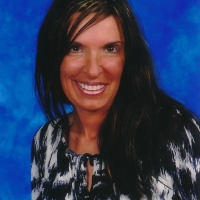
About Julie
Dr. Julie McCune brings 25 years of clinical experience to her counseling work. She holds a master’s degree in Counseling and a doctoral degree (Ph.D.) in Clinical Psychology, and practices as an Ohio Licensed Professional Clinical Counselor (LPCC).
Dr. McCune meets people where they are with a calm, nonjudgmental presence. She focuses on everyday problems that can feel overwhelming, such as anxiety, stress, depression, grief, and addiction.
She also helps with relationship and intimacy issues, self-esteem, anger, and coping with life changes like divorce or loss.
Background and approach
Phobias are listed among the areas she addresses for people seeking help. Her approach is practical and skills-based. She uses Cognitive Behavioral Therapy to identify unhelpful thinking and behavior patterns.
She draws on Dialectical Behavior Therapy to teach emotion regulation and distress-tolerance skills. Mindfulness and Acceptance and Commitment Therapy ideas help clients notice thoughts without getting stuck in them. Dr.
McCune also uses Emotionally-Focused Therapy ideas when relationship patterns are the concern. Sessions include learning tools, practicing new responses, and setting realistic goals for daily life. She aims to help people build stronger routines, better communication, and clearer boundaries.
She has worked in both independent practice and community mental health settings for many years. Sessions are offered by video, phone, live chat, and text-based messaging to fit different schedules and needs. The tone in sessions is warm, direct, and focused on practical change.
Therapeutic approaches for online care and skills practice
Dr. McCune often uses Cognitive Behavioral Therapy to help people notice and change thoughts and behaviors that keep problems going. CBT sessions tend to include clear steps, homework to try new skills between sessions, and practical tools for managing anxiety or depression.She also draws on Dialectical Behavior Therapy to teach emotion regulation, distress tolerance, and interpersonal skills. DBT strategies are useful when strong emotions or frequent conflict make day-to-day life harder. Acceptance and Commitment Therapy ideas may be used to help people clarify what matters to them and take small steps toward those values despite difficult feelings.
Choosing the best approach is a team process. The therapist will talk with the client about goals, try methods that fit current needs, and adjust as progress unfolds. Sessions are collaborative and focused on what works in daily life.
Online sessions are offered by video calls, phone, live chat, or text-based messaging to make therapy easier to fit into a busy life. Video is helpful for full conversation and visual cues, phone calls can be easier when bandwidth is limited, and live chat or text messaging can support quick check-ins or shorter reflections. These options make it possible to practice new skills between sessions and keep momentum toward change.
Questions people ask
What kinds of concerns does she help with?
How would you describe her therapy style?
What background does she bring to sessions?
Where is she licensed and where does she practice?
Are sessions available in other languages or internationally?
What session formats are offered?
How is cost handled for sessions?
How do I begin working with her?
What this therapist works with
Most often
- Stress, Anxiety
- LGBT
- Relationship issues
Also listed
- Abandonment
- Addictions
- ADHD
- Adoption and foster care
- Aging and geriatric issues
- Anger management
- Antisocial personality
- Attachment issues
- Bipolar disorder
- Blended family issues
- Body image
- Cancer
- Career difficulties
- Caregiver issues and stress
- Coaching
- Codependency
- Commitment issues
- Communication problems
- Compassion fatigue
- Control issues
- Coping with life changes
- Depression
- Divorce and separation
- Domestic violence
- Drug and alcohol addiction
- Eating and food-related issues
- Eating disorders
- Emptiness
- Family conflicts
- Family problems
- Fatherhood issues
- Fertility issues
- First responder issues
- Forgiveness
- Gender dysphoria
- Grief
- Guilt and shame
- Hospice and end-of-life counseling
- Infidelity
- Intimacy-related issues
- Isolation / loneliness
- Jealousy
- Life purpose
- Midlife crisis
- Mood disorders
- Multicultural concerns
- Narcissism
- Obsessions, compulsions, and OCD
- Panic disorder and panic attacks
- Paranoia
- Parenting issues
- Personality disorders
- Phobias
- Polyamory / non-monogamous relationships
- Post-traumatic stress
- Postpartum depression
- Pregnancy and childbirth
- Seasonal Affective Disorder (SAD)
- Self esteem
- Self-harm
- Self-love
- Sexual assault and abuse
- Sleeping disorders
- Social anxiety and phobia
- Trauma and abuse
- Visually impaired
- Women's issues
- Workplace issues
- Young adult issues
Therapeutic approaches
- Experience
- 25 years
- Licensed
- Ohio
- Languages
- English
We will earn a commission if you sign up through our link, at no cost to you.