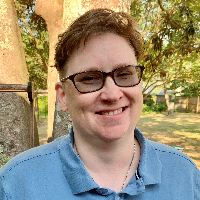
About Heather
Heather Scarboro is a licensed clinical mental health counselor (LCMHC) based in North Carolina. She focuses on helping people who feel overwhelmed by stress, anxiety, grief, relationship struggles, addictions, and phobias. Heather aims to make therapy straightforward and approachable for people who are worried and need practical support.
Heather uses clear, person-focused methods to help people manage intense emotions and confusing experiences. She draws on approaches that emphasize understanding the person's perspective and building skills to stay grounded when stress or trauma surfaces.
Background and approach
Sessions are conversational and paced to match each person’s needs. With ten years of clinical work, Heather has supported people with a wide range of concerns. Her background includes work with elder care, community mental health, university students, and members of the LGBTQIAP+ and plural communities.
That variety informs how she adapts her approach to different life situations. Heather often incorporates evidence-based techniques aimed at processing traumatic memories and reducing emotional distress. She also uses methods that teach emotion regulation, distress tolerance, and clearer communication in relationships.
When helpful, she brings in creative tools like expressive arts and mindfulness practices. Outside of clinical work, Heather writes, speaks, and advocates to increase accurate public understanding of dissociative disorders. She also enjoys music, dance, and songwriting, and those interests sometimes shape how she and a person choose to work together.
Approach-driven care through online sessions
Heather commonly uses Client-Centered Therapy, Dialectical Behavior Therapy (DBT), and Emotionally-Focused Therapy (EFT) in online work. Client-Centered Therapy focuses on listening closely and helping a person clarify their goals and values. It is useful for people who want a collaborative place to make sense of hard feelings. DBT teaches specific skills for managing intense emotions, reducing impulsive behavior, and improving relationships. It can help with anxiety, anger, and self-destructive patterns. EFT concentrates on emotions in close relationships and helps people notice, name, and shift interaction patterns that cause pain.Figuring out which approach fits best is part of the work. The therapist will discuss needs, goals, and personal preferences and will adjust methods as therapy progresses. This collaborative planning helps ensure that sessions stay useful and aligned with each person’s aims.
Online therapy offers practical flexibility. Video calls let a person talk face to face without travel. Phone sessions can be a good choice when bandwidth is limited or for shorter check-ins. Live chat and text-based messaging make it easier to work through small moments between sessions and to get support using written words. These options make it simpler to fit therapy into busy days and varied routines while keeping a steady path toward goals.
Questions people ask
What concerns does Heather commonly help with?
What is Heather's therapeutic style?
How much clinical experience does she have?
What are Heather's credentials and where is she located?
Can sessions be done in languages other than English?
Which session formats are available?
How are costs and billing handled?
What is the first step to begin therapy?
What this therapist works with
Most often
Also listed
- Abandonment
- ADHD
- Aging and geriatric issues
- Anger management
- Attachment issues
- BDSM, kink, and alternative sex culture
- Bipolar disorder
- Blended family issues
- Body image
- Cancer
- Career difficulties
- Caregiver issues and stress
- Chronic pain, illness, and disability
- Co-morbidity
- Coaching
- Codependency
- Commitment issues
- Communication problems
- Compassion fatigue
- Coping with life changes
- Coping with natural or human-caused disaster
- Depression
- Disruptive Mood Dysregulation Disorder (DMDD)
- Dissociation
- Divorce and separation
- Domestic violence
- Drug and alcohol addiction
- Emptiness
- Family conflicts
- Family of origin issues
- Family problems
- Fertility issues
- First responder issues
- Forgiveness
- Gender dysphoria
- Grief
- Guilt and shame
- HIV / AIDS
- Hospice and end-of-life counseling
- Immigration issues
- Infidelity
- Intimacy-related issues
- Isolation / loneliness
- Life purpose
- Midlife crisis
- Multicultural concerns
- Panic disorder and panic attacks
- Paranoia
- Phobias
- Polyamory / non-monogamous relationships
- Post-traumatic stress
- Prejudice and discrimination
- Process addiction (porn, exercise, gambling)
- Relationship issues
- Seasonal Affective Disorder (SAD)
- Self esteem
- Self-harm
- Self-love
- Sex addiction
- Sexual assault and abuse
- Sexual dysfunction
- Sexuality
- Smoking / vaping cessation
- Social anxiety and phobia
- Somatization
- Trauma and abuse
- Women's issues
- Workplace issues
- Young adult issues
Therapeutic approaches
- Client-Centered Therapy
- Dialectical Behavior Therapy (DBT)
- Emotionally-Focused Therapy (EFT)
- Existential Therapy
- Eye Movement Desensitization and Reprocessing (EMDR)
- Hypnotherapy
- Jungian Therapy
- Mindfulness Therapy
- Motivational Interviewing
- Narrative Therapy
- Psychodynamic Therapy
- Trauma-Focused Therapy
- Internal Family Systems
- Experience
- 10 years
- Licensed
- North Carolina
- Languages
- English
We will earn a commission if you sign up through our link, at no cost to you.