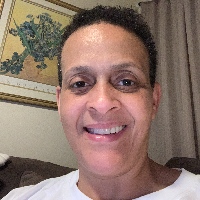
About Eugenia
Eugenia Davis is a Licensed Clinical Mental Health Counselor (LCMHC) with more than 22 years in mental health and addictions work. She has a Master of Science in Mental Health Counseling earned in 1999 and a background that began with a Bachelor of Arts in Criminal Justice. Eugenia practices from North Carolina and offers services in English, including to international clients.
She focuses on practical problem solving and aims to help people manage stress, anxiety, depression, addiction, and relationship concerns.
Background and approach
Sessions emphasize clear conversation and real-world steps clients can try between meetings. She encourages people to use their own strengths while adding a different perspective on familiar problems. Her approach draws on client-centered listening and cognitive behavioral techniques to identify unhelpful thinking and test new behaviors.
She also uses emotionally-focused methods to address connection and closeness, plus mindfulness and motivational interviewing when helpful for coping and change. These tools are mixed to match each person’s needs. Eugenia has long experience with complex and chronic conditions, including mood disorders, bipolar concerns, personality-related issues, and co-occurring substance use.
She has worked across many settings and with a wide range of life challenges such as grief, trauma, parenting strain, chronic illness, and adoption-related issues. In sessions she keeps language plain and action-oriented. People can expect a collaborative tone where the counselor asks questions, suggests experiments, and reviews what helped.
The work typically moves at the client’s pace and concentrates on manageable steps toward feeling more in control.
How her methods translate to online therapy
Client-Centered Therapy emphasizes listening and reflecting what the client says. That means online sessions focus on clear, attentive conversation and building a trusting working relationship. Cognitive Behavioral Therapy (CBT) looks at unhelpful thoughts and practical behavior changes. Online CBT typically uses short exercises, thought records, and homework that people can complete between sessions to notice what changes.Finding the right approach is part of the work. The therapist will talk with each person about problems, goals, and preferences, then suggest which methods to try first. Clients and the therapist decide together whether to continue a given approach or try another way to reach the same goals.
Online formats offer flexibility. Video calls allow face-to-face interaction for deeper conversations. Phone sessions can be easier when bandwidth is limited or a client prefers not to be on camera. Live chat and text-based messaging work well for quick check-ins, brief coaching, or ongoing support between longer sessions. These options help fit therapy into busy lives and different schedules.
Questions people ask
What concerns does she address?
How would you describe her therapy style?
What is her background and experience?
What credentials and location are listed?
Can people outside the U.S. work with her?
Which session formats are available?
How does payment work?
What steps should I take to begin?
What this therapist works with
Most often
- Stress, Anxiety
- Addictions
- Relationship issues
Also listed
- Abandonment
- ADHD
- Adoption and foster care
- Anger management
- Antisocial personality
- Attachment issues
- Bipolar disorder
- Blended family issues
- Cancer
- Caregiver issues and stress
- Chronic pain, illness, and disability
- Co-morbidity
- Codependency
- Commitment issues
- Communication problems
- Control issues
- Coping with life changes
- Coping with natural or human-caused disaster
- Dependent personality
- Depression
- Disruptive Mood Dysregulation Disorder (DMDD)
- Divorce and separation
- Domestic violence
- Drug and alcohol addiction
- Emptiness
- Family conflicts
- Family problems
- Forgiveness
- Grief
- Guilt and shame
- Impulsivity
- Infidelity
- Intimacy-related issues
- Isolation / loneliness
- Jealousy
- LGBT
- Life purpose
- Midlife crisis
- Money and financial issues
- Mood disorders
- Multicultural concerns
- Narcissism
- Obsessions, compulsions, and OCD
- Panic disorder and panic attacks
- Paranoia
- Parenting issues
- Phobias
- Post-traumatic stress
- Postpartum depression
- Pregnancy and childbirth
- Process addiction (porn, exercise, gambling)
- Seasonal Affective Disorder (SAD)
- Self esteem
- Self-harm
- Sexual assault and abuse
- Social anxiety and phobia
- Trauma and abuse
- Traumatic brain injury
- Trichotillomania
- Veteran and Armed Forces Issues
- Women's issues
- Workplace issues
- Young adult issues
Therapeutic approaches
- Experience
- 22 years
- Licensed
- North Carolina
- Languages
- English
We will earn a commission if you sign up through our link, at no cost to you.