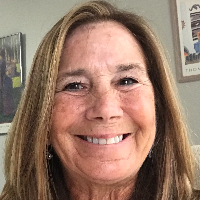
About Debra
Dr. Debra Sandler is a compassionate Licensed Clinical Social Worker (LCSW) who helps people manage stress, anxiety, depression, addictions, and relationship concerns. She speaks plainly and listens closely to what matters most to each person.
Her manner is warm and easygoing, which can help someone feel steadier and more confident about next steps. She focuses on practical skills. Sessions often include planning small steps, learning tools to handle strong emotions, and practicing clearer communication.
Background and approach
She also supports people coping with grief, trauma and abuse, intimacy challenges, eating and sleeping problems, and career or life changes. Dr. Sandler holds a master’s degree from the University of Pennsylvania and a doctorate from Nova Southeastern University.
She has been in practice for 39 years, including more than thirty years in independent practice. Those years inform a calm, experienced approach to common and complex problems. Her style blends several approaches so work in sessions fits the person in front of her.
Methods she uses include Acceptance and Commitment Therapy, cognitive behavioral strategies, attachment-based ideas, client-centered listening, and emotion-regulation skills drawn from dialectical approaches. Sessions focus on achievable steps and real-life practice. People leave with specific strategies to try between sessions and a plan for moving forward.
She provides video calls, phone sessions, live chat, and text-based messaging to fit different needs and schedules.
Combining approaches for online care
Acceptance and Commitment Therapy (ACT) focuses on clarifying values and taking small, guided steps toward a more meaningful life. It helps when worry or avoidance keeps someone stuck. Cognitive Behavioral Therapy (CBT) looks at how thoughts, feelings, and behaviors connect and teaches practical strategies to change patterns that cause distress. This is often useful for anxiety, depression, and some eating or sleep problems. Attachment-Based Therapy pays attention to how early relationships shape current expectations and reactions, which can help with intimacy, relationship patterns, and family-of-origin concerns.Choosing which approach to use is a collaborative process. The therapist will listen to your goals and try different strategies to see what fits. Over time, the plan can be adjusted so the methods match your needs and what feels most helpful.
Online therapy offers flexible ways to work together. Video calls let you meet face to face when a fuller conversation helps. Phone sessions can be easier if bandwidth is limited or you prefer not to be on camera. Live chat and text-based messaging work well for brief check-ins, real-time coaching during stressful moments, or staying connected between longer sessions. These options make it simpler to fit therapy into a busy life.
Questions people ask
What concerns does she address?
What is her therapeutic style like?
How long has she practiced?
Where is she licensed and located?
What languages are supported for sessions?
Which session formats are available?
How is cost handled?
How do I begin working with her?
What this therapist works with
Most often
- Stress, Anxiety
- Addictions
- Relationship issues
Also listed
- ADHD
- Anger management
- Attachment issues
- Bipolar disorder
- Body image
- Career difficulties
- Coaching
- Codependency
- Commitment issues
- Communication problems
- Control issues
- Coping with life changes
- Depression
- Disruptive Mood Dysregulation Disorder (DMDD)
- Divorce and separation
- Drug and alcohol addiction
- Eating and food-related issues
- Eating disorders
- Family conflicts
- Family of origin issues
- Family problems
- Forgiveness
- Grief
- Guilt and shame
- Impulsivity
- Infidelity
- Intimacy-related issues
- Isolation / loneliness
- Jealousy
- Life purpose
- Midlife crisis
- Money and financial issues
- Mood disorders
- Obsessions, compulsions, and OCD
- Panic disorder and panic attacks
- Parenting issues
- Personality disorders
- Phobias
- Post-traumatic stress
- Postpartum depression
- Process addiction (porn, exercise, gambling)
- Seasonal Affective Disorder (SAD)
- Self esteem
- Self-love
- Sex addiction
- Sexuality
- Sleeping disorders
- Smoking / vaping cessation
- Social anxiety and phobia
- Trauma and abuse
- Trichotillomania
- Women's issues
- Workplace issues
Therapeutic approaches
- Experience
- 39 years
- Licensed
- New Jersey, Florida
- Languages
- English
We will earn a commission if you sign up through our link, at no cost to you.