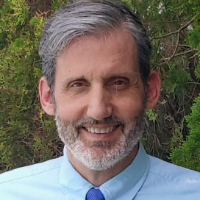
About Benjamin
Benjamin 'Ben' Galloso is a licensed clinical social worker who offers a warm, client-centered style. He uses talking therapy and sometimes light hypnotherapy to help people manage stress, anxiety, addictions, and depression. Ben works in English and Spanish and practices from Florida as an LICSW and LCSW.
He aims to listen closely and meet people where they are in their healing process. Ben blends client-centered methods with cognitive and emotion-focused tools.
Background and approach
He pays attention to how thoughts, self-talk, feelings, and body signals connect. That helps identify patterns that keep someone stuck and shows what may help them move forward. Addiction work includes evidence-informed recovery tools alongside exploration of underlying hurt and avoidance.
He combines SMART Recovery approaches with familiarity with 12-Step programs to support people addressing substance or behavioral compulsions. Ben also supports people with relationship concerns, identity questions, trauma and grief, and issues around intimacy, body image, and codependency. He draws on existential and spiritual perspectives when those areas matter to a person’s growth.
He respects diverse religious and nonreligious backgrounds and how meaning-making can be a resource. Sessions are tailored to each person’s needs and pace. Ben emphasizes collaboration - planning goals together and trying approaches that fit the person.
He believes people have inner resources to heal, and he aims to be present, respectful, and compassionate while they do that work.
Approaches and online options that fit your life
Client-centered therapy focuses on listening and following what matters most to the person. The therapist creates a supportive environment and helps clients name goals and try steps that feel right for them. This approach is useful for building self-understanding, self-esteem, and clearer direction.Cognitive Behavioral Therapy (CBT) looks at unhelpful thinking and behavior patterns and teaches practical ways to change them. It is often used for anxiety, depression, stress, and some aspects of addiction by offering tools to shift thoughts and actions. Emotionally-Focused Therapy (EFT) helps people understand and reorganize emotional responses so they can improve closeness and repair relationship hurts; it is helpful when emotion patterns cause distress in connections with others.
Choosing the right approach is part of the work together. The therapist will collaborate with each person to decide which methods to try based on goals, comfort, and what shows the most benefit. Sometimes talk therapy is primary and light hypnotherapy is added if both agree it could help.
Online formats include video calls, phone sessions, live chat, and text-based messaging to fit different needs. Video works well for deep conversations and visual cues, phone is useful when bandwidth is limited, live chat can help with quick check-ins, and text messaging supports ongoing reflection between sessions. These options make it easier to schedule therapy around work, family, and daily life.
Questions people ask
What kinds of concerns does he help with?
What is his therapeutic style like?
How much clinical experience does he have?
What credentials and location are listed?
Which languages are available for sessions?
What session formats does he use online?
How does billing and cost work?
How do I begin working with him?
What this therapist works with
Most often
Also listed
- Abandonment
- ADHD
- Anger management
- Attachment issues
- BDSM, kink, and alternative sex culture
- Bipolar disorder
- Body image
- Career difficulties
- Codependency
- Communication problems
- Compassion fatigue
- Coping with life changes
- Depression
- Drug and alcohol addiction
- Emptiness
- Family conflicts
- Family of origin issues
- Gender dysphoria
- Grief
- Guilt and shame
- HIV / AIDS
- Infidelity
- Intimacy-related issues
- Isolation / loneliness
- Life purpose
- Men's issues
- Midlife crisis
- Money and financial issues
- Mood disorders
- Multicultural concerns
- Obsessions, compulsions, and OCD
- Phobias
- Polyamory / non-monogamous relationships
- Post-traumatic stress
- Prejudice and discrimination
- Process addiction (porn, exercise, gambling)
- Relationship issues
- Seasonal Affective Disorder (SAD)
- Self esteem
- Self-harm
- Self-love
- Sex addiction
- Sexuality
- Smoking / vaping cessation
- Social anxiety and phobia
- Trauma and abuse
- Workplace issues
- Young adult issues
Therapeutic approaches
- Experience
- 14 years
- Licensed
- Florida, District of Columbia
- Languages
- English, Spanish
We will earn a commission if you sign up through our link, at no cost to you.