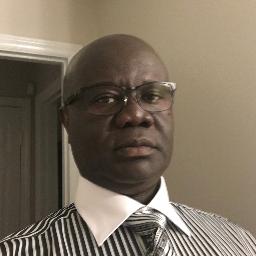
About Agyenim
Dr. Agyenim Akuamoah-Boateng is a Licensed Clinical Mental Health Counselor (LCMHC) based in North Carolina with 23 years of experience. He brings a long career in mental health and substance use counseling to each session.
He focuses on practical help for stress, anxiety, addictions, trauma, grief, depression, and related concerns. He uses clear, straightforward methods to help people set goals and build skills. His work draws on Cognitive Behavioral Therapy (CBT) to change unhelpful thinking and on Acceptance and Commitment Therapy (ACT) to help people live by their values despite difficult feelings.
Background and approach
He also uses client-centered listening to make space for each person's experience. Much of his recent work involves helping people dealing with co-occurring medical, mental health, and substance use challenges. He offers recovery skills training and supports people who want to quit and maintain abstinence from alcohol or drugs.
He combines practical strategies with encouragement to build confidence in recovery. Sessions tend to focus on everyday problems you can act on: sleeping, anger, self-esteem, relationship and intimacy issues, career stress, and coping with life changes. He also addresses specific concerns such as ADHD, bipolar mood issues, compassion fatigue, and caregiving stress.
Dr. Akuamoah-Boateng emphasizes collaboration and clear steps. He helps people set realistic goals, track progress, and practice skills between sessions.
English-language sessions are offered, and he accepts international clients.
How therapeutic approaches translate to online care
Acceptance and Commitment Therapy (ACT) helps people notice difficult thoughts and feelings, and then choose actions that match their values. It is useful for anxiety, trauma-related distress, and motivation challenges. Cognitive Behavioral Therapy (CBT) focuses on identifying unhelpful thoughts and testing them with practical behavioral experiments to reduce symptoms like depression, anxiety, and sleep problems. Client-centered therapy emphasizes empathic listening and building a trusting relationship so clients can explore concerns and feel heard.Finding the right approach is part of the work together. The therapist will talk with each person about goals, try methods that fit those goals, and adjust based on what helps. This collaborative process means techniques are chosen to match the client's needs and preferences rather than applied rigidly.
Online sessions can make this process more flexible. Video calls allow face-to-face interaction for skills practice and real-time feedback. Phone sessions work well when bandwidth is limited or a shorter check-in is needed. Live chat and text-based messaging let people exchange brief updates, homework, or coaching between sessions. Together, these formats help people fit therapy into work, caregiving, and daily life while still using ACT, CBT, and client-centered techniques effectively.
Questions people ask
What concerns does he commonly address?
What kind of therapeutic style can I expect?
How much experience does he have?
Where is he licensed and based?
Which languages are sessions offered in?
What session formats are available?
How are costs handled?
How do I begin working with him?
What this therapist works with
Also listed
- Abandonment
- ADHD
- Aging and geriatric issues
- Anger management
- Attachment issues
- Avoidant personality
- Bipolar disorder
- Body image
- Career difficulties
- Caregiver issues and stress
- Co-morbidity
- Coaching
- Codependency
- Communication problems
- Compassion fatigue
- Coping with life changes
- Coping with natural or human-caused disaster
- Depression
- Disruptive Mood Dysregulation Disorder (DMDD)
- Domestic violence
- Drug and alcohol addiction
- Emptiness
- Family conflicts
- Family problems
- Fatherhood issues
- Forgiveness
- Grief
- Guilt and shame
- Impulsivity
- Infidelity
- Intimacy-related issues
- Isolation / loneliness
- LGBT
- Life purpose
- Men's issues
- Midlife crisis
- Mood disorders
- Multicultural concerns
- Narcissism
- Obsessions, compulsions, and OCD
- Panic disorder and panic attacks
- Phobias
- Post-traumatic stress
- Postpartum depression
- Process addiction (porn, exercise, gambling)
- Relationship issues
- Self esteem
- Self-love
- Sex addiction
- Sleeping disorders
- Social anxiety and phobia
- Veteran and Armed Forces Issues
- Workplace issues
- Young adult issues
Therapeutic approaches
- Acceptance and Commitment Therapy (ACT)
- Attachment-Based Therapy
- Client-Centered Therapy
- Cognitive Behavioral Therapy (CBT)
- Dialectical Behavior Therapy (DBT)
- Emotionally-Focused Therapy (EFT)
- Gottman Method
- Jungian Therapy
- Mindfulness Therapy
- Motivational Interviewing
- Narrative Therapy
- Psychodynamic Therapy
- Solution-Focused Therapy
- Trauma-Focused Therapy
- Experience
- 23 years
- Licensed
- North Carolina
- Languages
- English
We will earn a commission if you sign up through our link, at no cost to you.