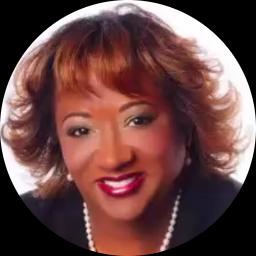
About Tracey
Dr. Tracey Williams helps people who feel overwhelmed by stress, anxiety, low mood, or struggles with self-esteem. She writes plainly and focuses on concrete steps that make day-to-day life easier.
Her work is aimed at people who want practical tools and steady support as they make changes. She works with anxiety, depression, relationship concerns, trauma and abuse, and issues around self-worth. She also pays attention to related topics like body image, chronic illness, caregiver stress, and complicated relationship dynamics.
Background and approach
Phobias are one of the areas listed among her interests. Dr. Williams draws on solution-focused methods to set clear, achievable goals with each person.
Sessions concentrate on what helps most right now, and on building skills that last after therapy ends. She offers straightforward techniques and ongoing encouragement rather than lengthy academic explanations. With 18 years of clinical experience, Dr.
Williams uses a strengths-based stance. She helps people notice what already works for them, then expands those abilities into new habits and coping strategies. Her approach is collaborative; she guides and holds people accountable while respecting their pace.
She practices in Maryland and conducts sessions in English. Her listed credentials include Licensed Clinical Social Worker, LCSW and LCSW-C, and MD. The overall aim is to help people move from feeling stuck toward clearer choices and more confidence.
How evidence-based approaches translate online
Dr. Williams uses clear, evidence-based techniques to help people manage symptoms and reach goals. One common approach focuses on setting small, measurable goals and building step-by-step progress; this helps with anxiety, phobias, and low mood by creating manageable tasks and tracking wins. Another key method emphasizes identifying personal strengths and practical coping skills so clients can handle stress and relationship difficulties more effectively.Choosing the right method is part of the work together. The therapist and client collaborate to decide which techniques fit the client’s needs, goals, and daily life. Adjustments are made as progress is tracked, and the approach can shift over time to match what is most useful.
Online formats include video calls, phone sessions, live chat, and text-based messaging. Video sessions are useful for in-depth conversations and demonstrations of techniques. Phone work can be easier when bandwidth is limited or for a quick check-in. Live chat and text messaging suit shorter updates, skill practice, or times when writing feels most comfortable. These options make it easier to fit therapy into busy schedules and varied routines.
Questions people ask
What problems does she help with?
What is the therapy style like?
How much clinical experience does she have?
Where does she practice and what are her credentials?
Are sessions offered in other languages or internationally?
What session formats are available?
How are fees and billing handled?
How do I begin working with her?
What this therapist works with
Most often
- Stress, Anxiety
- Relationship issues
- Trauma and abuse
Also listed
- Abandonment
- BDSM, kink, and alternative sex culture
- Blended family issues
- Body image
- Cancer
- Caregiver issues and stress
- Chronic pain, illness, and disability
- Co-morbidity
- Codependency
- Communication problems
- Coping with natural or human-caused disaster
- Dependent personality
- Depression
- Divorce and separation
- Domestic violence
- Forgiveness
- Guilt and shame
- Isolation / loneliness
- Life purpose
- Men's issues
- Midlife crisis
- Money and financial issues
- Multicultural concerns
- Obsessions, compulsions, and OCD
- Panic disorder and panic attacks
- Paranoia
- Phobias
- Polyamory / non-monogamous relationships
- Post-traumatic stress
- Postpartum depression
- Pregnancy and childbirth
- Prejudice and discrimination
- Process addiction (porn, exercise, gambling)
- Seasonal Affective Disorder (SAD)
- Self esteem
- Self-harm
- Self-love
- Sex addiction
- Sexual assault and abuse
- Sexual dysfunction
- Sexuality
- Social anxiety and phobia
- Somatization
- Trichotillomania
- Veteran and Armed Forces Issues
- Visually impaired
- Women's issues
- Workplace issues
- Young adult issues
- Experience
- 18 years
- Licensed
- Maryland, Virginia
- Languages
- English
We will earn a commission if you sign up through our link, at no cost to you.