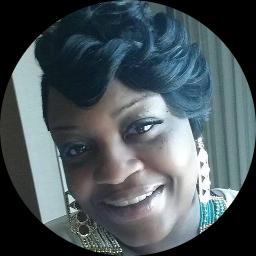
About Tiffany
Tiffany Richburg, LCSW, CSW, uses a person-centered, strength-based approach to help people facing anxiety, stress, relationship strain, and phobias. She keeps sessions practical and collaborative, helping clients spot useful strengths and take gradual steps toward change. Tiffany aims to make the first step feel manageable for people who are unsure what therapy will look like.
She draws on methods from Cognitive Behavioral Therapy (CBT), Dialectical Behavior Therapy (DBT), Acceptance and Commitment Therapy (ACT), and client-centered work.
Background and approach
Those approaches are used to address emotions, thoughts, and coping skills in everyday life. Sessions focus on what matters most to each person and on skills they can use between meetings. Tiffany trained in social work and holds a Master of Social Work from the University of South Carolina.
She has about five years of clinical experience across community mental health, inpatient psychiatric settings, child and family agencies, and advocacy organizations. That background informs how she adapts tools for different situations. Her practice includes support for people dealing with depression, grief, trauma and abuse, addictions, parenting strain, compassion fatigue, and ADHD-related challenges.
She also helps with family of origin concerns, communication problems, codependency, and coping with major life changes. Clients meet with her for practical problem solving, emotion regulation skills, and relationship-focused work. Tiffany aims to listen first, then build a plan together that matches each person’s goals and daily life needs.
Therapeutic approaches you can use online
Acceptance and Commitment Therapy (ACT) focuses on clarifying values and taking committed action even when difficult thoughts or feelings are present. It helps with anxiety, stress, and patterns that keep people stuck. Cognitive Behavioral Therapy (CBT) looks at the links between thoughts, feelings, and behaviors and teaches practical skills to change unhelpful patterns. CBT is often used for anxiety, depression, and phobias.Finding the right approach is a collaborative process. The therapist will talk with each person about goals, preferences, and what has or hasn’t worked before. Together they decide whether ACT, CBT, or a client-centered blend is the best fit and adjust the plan as progress is made.
Online sessions can be held by video calls, phone sessions, live chat, or text-based messaging to fit different needs. Video calls are useful for deeper conversational work and skill practice. Phone sessions can be easier when bandwidth is limited or a shorter check-in is needed. Live chat and messaging work well for quick coaching, check-ins, and between-session support, offering flexibility for busy schedules.
Questions people ask
What concerns does she address?
What is her therapeutic style like?
How much clinical experience does she have?
What are her credentials and where is she located?
Which languages are supported for sessions?
Can she work with clients outside the United States?
What session formats are available?
How does pricing and getting started work?
What this therapist works with
Most often
- Stress, Anxiety
- Relationship issues
- Family conflicts
Also listed
- Abandonment
- Addictions
- ADHD
- Aging and geriatric issues
- Anger management
- Attachment issues
- Blended family issues
- Career difficulties
- Co-morbidity
- Coaching
- Codependency
- Commitment issues
- Communication problems
- Compassion fatigue
- Control issues
- Coping with life changes
- Depression
- Disruptive Mood Dysregulation Disorder (DMDD)
- Divorce and separation
- Domestic violence
- Emptiness
- Family of origin issues
- Family problems
- Forgiveness
- Gender dysphoria
- Grief
- Guilt and shame
- Impulsivity
- Infidelity
- Intimacy-related issues
- Isolation / loneliness
- Life purpose
- Men's issues
- Midlife crisis
- Money and financial issues
- Mood disorders
- Multicultural concerns
- Narcissism
- Panic disorder and panic attacks
- Parenting issues
- Phobias
- Polyamory / non-monogamous relationships
- Post-traumatic stress
- Postpartum depression
- Seasonal Affective Disorder (SAD)
- Self esteem
- Self-love
- Sex addiction
- Sexual dysfunction
- Sexuality
- Social anxiety and phobia
- Trauma and abuse
- Veteran and Armed Forces Issues
- Women's issues
- Workplace issues
- Young adult issues
Therapeutic approaches
- Experience
- 5 years
- Licensed
- Florida, South Carolina, Virginia, Massachusetts, District of Columbia, Texas, Maryland, Colorado
- Languages
- English
We will earn a commission if you sign up through our link, at no cost to you.