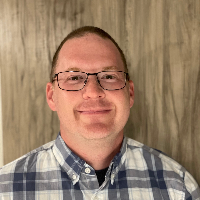
About Robert
Robert Stewart is a licensed mental health counselor in Florida with ten years of experience. He works with people who are stressed, anxious, struggling with addiction, or facing mood and behavior challenges. Parents who feel overwhelmed and individuals dealing with grief, trauma, or questions about life direction will find practical, down-to-earth help.
He favors a warm, supportive style and focuses on clear, doable steps. Sessions center on what’s happening now and on small changes that add up.
Background and approach
He uses common-sense tools to reduce anxiety, manage impulses, and improve day-to-day functioning. Robert blends cognitive behavioral ideas with Acceptance and Commitment Therapy and solution-focused strategies. That means he helps clients notice unhelpful thoughts, take values-based actions, and set short-term goals that build momentum.
Motivational interviewing is used to strengthen commitment when change feels difficult. Clients can expect talk that’s straightforward and respectful. The work is collaborative: goals are set together and adjusted over time.
For parents, there is attention to fatherhood issues, communication problems, and challenges linked to school or behavior. Robert’s ten years of practice include supporting people with mood disorders such as bipolar, as well as those wrestling with OCD, substance use, and compulsive behaviors. He also helps with career concerns, financial stress, and midlife transitions.
Sessions are offered in English and arranged around each person’s schedule.
Therapeutic approaches for online work
Robert often uses Acceptance and Commitment Therapy to help people notice difficult thoughts and feelings without getting stuck in them, then choose actions that match their values. This approach can be useful for anxiety, avoidance, and finding direction during life changes. He also draws on Cognitive Behavioral Therapy to break unhelpful thinking and behavior cycles through clear, actionable homework and skill practice. CBT is commonly used for anxiety, depression, and obsessive behaviors. Finding the right approach is part of the work. The therapist will discuss goals and test techniques together to see what fits. Sessions are collaborative and adjusted over time based on what helps most. Online formats include video calls, phone sessions, live chat, and text-based messaging. Video calls allow face-to-face conversation and visual cues. Phone sessions can be easier when bandwidth is limited or a shorter check-in fits a work break. Live chat and messaging make it possible to share thoughts between sessions and to get ongoing support without waiting for an appointment. These options make scheduling more flexible and help therapy fit into a busy life.Questions people ask
What concerns does Robert address?
What is his therapy style like?
How long has he been practicing?
What are his credentials and where is he based?
What languages are offered and can international clients join?
Which session formats are available?
How does cost and payment work?
How do I begin working with him?
What this therapist works with
Most often
- Stress, Anxiety
- Addictions
- Parenting issues
Also listed
- ADHD
- Anger management
- Bipolar disorder
- Career difficulties
- Communication problems
- Compassion fatigue
- Control issues
- Coping with life changes
- Depression
- Drug and alcohol addiction
- Eating and food-related issues
- Family conflicts
- Fatherhood issues
- Forgiveness
- Grief
- Guilt and shame
- Impulsivity
- Intimacy-related issues
- Isolation / loneliness
- Life purpose
- Men's issues
- Midlife crisis
- Money and financial issues
- Mood disorders
- Obsessions, compulsions, and OCD
- Phobias
- Process addiction (porn, exercise, gambling)
- Relationship issues
- Self esteem
- Self-harm
- Self-love
- Social anxiety and phobia
- Trauma and abuse
- Young adult issues
Therapeutic approaches
- Experience
- 10 years
- Licensed
- Florida
- Languages
- English
We will earn a commission if you sign up through our link, at no cost to you.