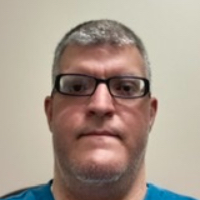
About Michael
Michael Valdes is a licensed clinical social worker who helps people facing phobias, anxiety, and life stressors. He speaks plainly and aims to make therapy feel practical and manageable for someone juggling daily demands. He brings 17 years of clinical experience in Tennessee and uses approaches that fit each person's needs.
Sessions focus on real-life skills, clearer thinking, and small steps toward change. Michael aims to make progress feel achievable rather than overwhelming.
Background and approach
Michael blends methods such as acceptance and commitment work, cognitive behavioral techniques, and client-centered listening. He uses mindfulness and skills training when helpful to manage intense emotions. The goal is to build tools that work between sessions and across everyday situations.
He has experience addressing a wide range of concerns including addiction, depression, relationship and intimacy issues, grief, trauma, ADHD, and stress. He also works with people dealing with attachment wounds, commitment doubts, and issues around kink and alternative sexual cultures. Conversations move at the client’s pace and focus on what matters most to them.
Sessions can include short-term coaching or longer therapeutic work depending on goals. Michael emphasizes collaboration - you set priorities and he helps pick strategies that match those goals. He encourages straightforward conversation about progress and next steps.
Approaches that translate well to online care
Acceptance and Commitment Therapy helps people notice painful thoughts without getting stuck in them and then act in ways that match their values. It is useful for anxiety, phobias, and life transitions. Cognitive Behavioral Therapy focuses on identifying unhelpful thinking and testing new behaviors to reduce distress and improve day-to-day functioning.Finding the right approach is part of therapy. Michael will work together with each person to choose methods that match their goals, comfort level, and schedule. That collaborative process can include trying an approach for a few sessions and adjusting based on what helps.
Online formats include video calls, phone sessions, live chat, and text-based messaging. Video is useful for face-to-face interaction and teaching new skills. Phone sessions can be easier when bandwidth is limited or for a quick check-in. Live chat and text messaging work well for short updates, between-session coaching, or when writing things out helps clarify thoughts. These options make it easier to fit therapy around work, caregiving, and travel without losing continuity of care.
Questions people ask
What concerns does Michael commonly address?
What is his therapeutic style like?
How much clinical experience does he have?
What credentials and location are listed?
Which languages are available for sessions?
What session formats are offered?
How is cost handled for sessions?
How do I begin working with him?
What this therapist works with
Most often
- Addictions
- Relationship issues
- Family conflicts
Also listed
- Abandonment
- ADHD
- Anger management
- Attachment issues
- BDSM, kink, and alternative sex culture
- Bipolar disorder
- Cancer
- Career difficulties
- Coaching
- Commitment issues
- Communication problems
- Compassion fatigue
- Control issues
- Coping with life changes
- Depression
- Divorce and separation
- Drug and alcohol addiction
- Emptiness
- Family problems
- Forgiveness
- Grief
- Guilt and shame
- Infidelity
- Intimacy-related issues
- Jealousy
- LGBT
- Life purpose
- Men's issues
- Mood disorders
- Obsessions, compulsions, and OCD
- Panic disorder and panic attacks
- Personality disorders
- Phobias
- Post-traumatic stress
- Postpartum depression
- Process addiction (porn, exercise, gambling)
- Self esteem
- Self-harm
- Self-love
- Sex addiction
- Sexual assault and abuse
- Sexuality
- Stress, Anxiety
- Trauma and abuse
- Workplace issues
Therapeutic approaches
- Experience
- 17 years
- Licensed
- Tennessee
- Languages
- English
We will earn a commission if you sign up through our link, at no cost to you.