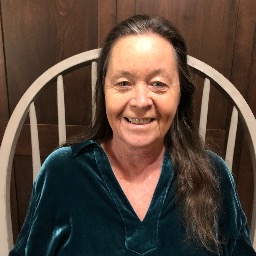
About Mary
Mary Kallenbach is a Licensed Clinical Mental Health Counselor (LCMHC) in North Carolina with more than two decades of experience. She helps people cope with stress, anxiety, depression, trauma and abuse, relationship struggles, grief, and phobias. She also supports those facing life transitions, addiction concerns, self-esteem challenges, and issues tied to identity and intimacy.
Mary meets people where they are and works with them to find practical steps forward. Sessions focus on clear goals, skill-building, and gradual exposure to feared situations when needed.
Background and approach
She uses a mix of talk therapy and structured exercises tailored to each person’s needs. Her background includes work in inpatient settings, community mental health, school counseling, and long-term residential programs. That experience informs her approach with people who have faced complex or persistent challenges.
She has maintained a independent practice since the late 1990s. Mary draws on therapies such as cognitive behavioral therapy, dialectical behavior therapy, acceptance and commitment therapy, and eye movement desensitization and reprocessing to help reduce symptoms and build coping skills. Treatment plans are practical and paced to match what each person can handle.
She conducts sessions by video call, phone, live chat, or text-based messaging to fit different needs and schedules. Mary communicates in English and practices in North Carolina as an LCMHC.
Therapeutic approaches for online sessions
Acceptance and Commitment Therapy, or ACT, helps people clarify what matters most to them and take small steps toward those values even when anxiety or avoidance arises. It focuses on building willingness to face difficult thoughts and increasing meaningful action. Cognitive Behavioral Therapy, or CBT, breaks problems into thoughts, feelings, and behaviors and uses practical exercises to change unhelpful patterns and reduce symptoms. It is often used for anxiety, depression, and phobias. Eye Movement Desensitization and Reprocessing, EMDR, is a structured approach that can help process traumatic memories and reduce their emotional intensity when that fits a person’s goals.Choosing the right approach is part of the process. The therapist will work collaboratively to identify which methods match the client's needs, goals, and comfort level. That plan may combine approaches and adjust over time based on how someone responds.
Online sessions are offered by video calls, phone, live chat, or text-based messaging to make therapy more flexible. Video calls allow face-to-face interaction and visual cues. Phone sessions can be easier when bandwidth is limited or when someone prefers not to use video. Live chat and messaging support shorter check-ins, skill practice between sessions, and ongoing contact in between scheduled appointments.
Questions people ask
What kinds of concerns does this therapist address?
What is her general therapy style?
What experience does she bring to therapy?
What credentials and location are listed?
Which languages are sessions offered in?
What session formats are available?
How are fees handled?
How do I get started with therapy?
What this therapist works with
Most often
- Stress, Anxiety
- Relationship issues
- Trauma and abuse
Also listed
- Abandonment
- Addictions
- ADHD
- Aging and geriatric issues
- Bipolar disorder
- Blended family issues
- Cancer
- Career difficulties
- Codependency
- Commitment issues
- Communication problems
- Compassion fatigue
- Coping with life changes
- Depression
- Divorce and separation
- Eating disorders
- Family conflicts
- Family of origin issues
- Family problems
- Fertility issues
- Forgiveness
- Grief
- Guilt and shame
- Impulsivity
- Infidelity
- Intimacy-related issues
- Isolation / loneliness
- Jealousy
- LGBT
- Life purpose
- Midlife crisis
- Mood disorders
- Obsessions, compulsions, and OCD
- Phobias
- Polyamory / non-monogamous relationships
- Post-traumatic stress
- Seasonal Affective Disorder (SAD)
- Self esteem
- Self-love
- Social anxiety and phobia
- Trichotillomania
- Women's issues
- Workplace issues
Therapeutic approaches
- Experience
- 23 years
- Licensed
- North Carolina
- Languages
- English
We will earn a commission if you sign up through our link, at no cost to you.