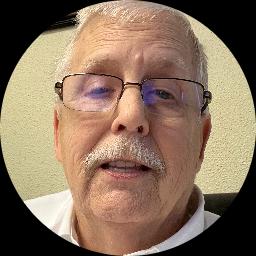
About Mark
Mark Williams is a Licensed Professional Counselor (LPC) practicing in Texas with nine years of experience. He focuses on common but painful problems such as stress, anxiety, trauma, low self-esteem, and depression. He speaks plainly and aims to make the first steps feel manageable for people who are worried or overwhelmed.
He uses practical methods like Cognitive Behavioral Therapy to help people notice unhelpful thoughts and change small behaviors that make life harder.
Background and approach
He also offers Eye Movement Desensitization and Reprocessing for people who are processing traumatic memories and intense reactions. Sessions are collaborative and paced to the person's comfort. In session he centers the client's story and strengths.
He asks clear questions, offers concrete strategies, and helps set small goals that fit daily life. The approach balances short-term coping skills with deeper work when it feels right. Mark works with a range of concerns related to mood and stress.
This includes panic attacks, obsessive or compulsive patterns, troubles with attachment or abandonment, guilt and shame, and the impacts of disaster or violence. He also supports people facing difficulties tied to first responder or veteran experiences. Therapy can be scheduled online by video, phone, live chat, or text-based messaging, and sessions are shaped around what the person needs.
The focus is on helping people regain steadiness, make useful changes, and build on strengths.
How online approaches like CBT and EMDR can help
Mark uses Cognitive Behavioral Therapy to help people identify troubling thoughts and test small behavior changes that improve daily functioning. CBT is often used for anxiety, panic, low mood, and unhelpful routines that keep problems going.He also offers Eye Movement Desensitization and Reprocessing to support processing of traumatic memories and strong emotional reactions. EMDR sessions focus on reducing the intensity of painful memories and the reactions that follow them.
Choosing the right approach is part of the work together. The therapist will discuss goals, preferences, and what feels tolerable, and then recommend a path to try. Clients can switch course or combine methods as their needs evolve, and decisions are made collaboratively.
Online therapy offers flexible ways to meet. Video calls work well for in-depth sessions that benefit from face-to-face conversation. Phone sessions can be easier when bandwidth is limited or when someone prefers no video. Live chat or text-based messaging can fit quick check-ins, ongoing tracking, or brief support between longer sessions. These options make it simpler to fit therapy into busy schedules and varied day-to-day demands.
Questions people ask
What kinds of concerns does Mark help with?
What is his general therapy style?
How much clinical experience does he have?
What are his credentials and where is he based?
Which languages are supported for sessions?
What session formats are available online?
How is cost handled for sessions?
How do I begin working with him?
What this therapist works with
Also listed
- Abandonment
- Attachment issues
- Co-morbidity
- Communication problems
- Coping with life changes
- Coping with natural or human-caused disaster
- Depression
- Domestic violence
- Family of origin issues
- First responder issues
- Guilt and shame
- Impulsivity
- Isolation / loneliness
- Mood disorders
- Obsessions, compulsions, and OCD
- Panic disorder and panic attacks
- Phobias
- Post-traumatic stress
- Postpartum depression
- Seasonal Affective Disorder (SAD)
- Sexual assault and abuse
- Social anxiety and phobia
- Trichotillomania
- Veteran and Armed Forces Issues
Therapeutic approaches
- Experience
- 9 years
- Licensed
- Texas
- Languages
- English
We will earn a commission if you sign up through our link, at no cost to you.