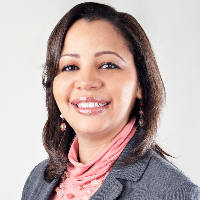
About Hope
Hope Holman is a Licensed Clinical Social Worker who helps people facing anxiety, stress, depression, relationship strain, and phobias. She brings ten years of professional experience and a calm, encouraging presence to sessions. Hope aims to make the first steps feel manageable for someone who is worried or overwhelmed.
She uses clear, practical techniques from Cognitive Behavioral Therapy and Acceptance and Commitment Therapy to help people change unhelpful thoughts and build values-driven action.
Background and approach
Hope also draws on client-centered and mindfulness approaches to make sessions feel accepting and grounded. Conversations are warm and nonjudgmental and focus on small, doable steps. Hope has worked with a wide range of concerns including trauma, grief, parenting stress, eating and sleeping issues, ADHD, and intimacy-related challenges.
She has experience across settings such as outpatient care, in-home work, and group support, which informs how she adapts sessions to each person’s needs. In therapy she helps people identify goals, practice new skills, and track progress in everyday life. Sessions often include thought-challenging exercises, behavioral experiments, and mindfulness practices to reduce avoidance and build confidence.
Hope encourages people to approach therapy as a collaborative process. She listens first, then offers tailored strategies that fit the client’s situation and preferences. Simple changes over time are the focus, not overnight fixes.
Therapeutic approaches and online care
Hope commonly uses Acceptance and Commitment Therapy (ACT) to help people notice unhelpful thinking, clarify their values, and take small actions that matter to them. ACT is useful for anxiety, avoidance, and life transitions because it emphasizes action aligned with what a person cares about.She also uses Cognitive Behavioral Therapy (CBT) to identify and test thoughts that increase worry or low mood. CBT offers concrete exercises and behavioral experiments that people can try between sessions to see real changes in daily life.
Finding the right approach is part of the work together. The therapist listens to current concerns, goals, and preferences and suggests strategies to try. Clients and the therapist decide together which techniques fit best and adjust them as progress is tracked.
Online therapy offers flexible ways to connect, including video calls, phone sessions, live chat, or text-based messaging. Video is useful for longer, face-to-face conversations and skill practice. Phone sessions can be easier when bandwidth is low or a camera is not wanted. Live chat and text allow brief check-ins, quicker coaching, and ongoing support between longer sessions. These options make it simpler to fit therapy into a busy life and try methods that match how a person prefers to communicate.
Questions people ask
What kinds of concerns does Hope address?
What is her general therapy style?
How much experience does she have?
What credentials and location apply?
Which languages are sessions offered in?
Can international clients work with her?
What session formats are available?
How do costs and subscriptions work?
What this therapist works with
Most often
- Stress, Anxiety
- Relationship issues
- Trauma and abuse
Also listed
- Abandonment
- ADHD
- Adoption and foster care
- Anger management
- Bipolar disorder
- Blended family issues
- Body image
- Career difficulties
- Caregiver issues and stress
- Coaching
- Commitment issues
- Communication problems
- Compassion fatigue
- Control issues
- Coping with life changes
- Depression
- Disruptive Mood Dysregulation Disorder (DMDD)
- Divorce and separation
- Domestic violence
- Eating disorders
- Emptiness
- Family conflicts
- Family of origin issues
- Family problems
- Forgiveness
- Grief
- Guilt and shame
- Hoarding
- Hospice and end-of-life counseling
- Impulsivity
- Infidelity
- Intimacy-related issues
- Isolation / loneliness
- Jealousy
- Life purpose
- Men's issues
- Midlife crisis
- Money and financial issues
- Mood disorders
- Multicultural concerns
- Narcissism
- Obsessions, compulsions, and OCD
- Parenting issues
- Phobias
- Post-traumatic stress
- Postpartum depression
- Pregnancy and childbirth
- Prejudice and discrimination
- Self esteem
- Self-harm
- Self-love
- Sexual dysfunction
- Sexuality
- Sleeping disorders
- Social anxiety and phobia
- Somatization
- Veteran and Armed Forces Issues
- Women's issues
- Workplace issues
- Young adult issues
Therapeutic approaches
- Experience
- 10 years
- Licensed
- Virginia
- Languages
- English
We will earn a commission if you sign up through our link, at no cost to you.