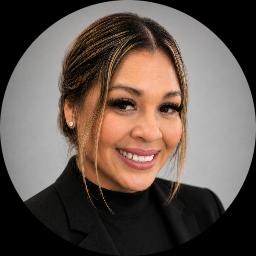
About Desiree
Desiree Alvarado, LCSW, helps people facing stress, anxiety, trauma, addiction, and mood concerns. She works with individuals on issues like depression, low self-esteem, panic, and problems with relationships and intimacy. Her goal is to help people find practical steps that make daily life easier.
Desiree draws on client-centered care to listen first and shape the work around each person’s needs. She often uses cognitive behavioral techniques to identify unhelpful thoughts and change behaviors that keep problems going.
Background and approach
Mindfulness skills and elements of dialectical behavior therapy are used to build emotion regulation and tolerate distress in the moment. Her background includes work in child welfare, domestic violence response, mental health court programs, substance use treatment, and supporting first responders. That experience informs a practical, grounded style in sessions.
Desiree focuses on clear tools and small goals so progress is easier to notice. Sessions tend to focus on breaking down worries into manageable parts. She helps people practice new skills between meetings and track what works.
The approach is collaborative - clients and therapist decide which steps to try next. Desiree is licensed as a clinical social worker in California and Texas and has four years of post-licensure experience. She offers services in English and applies her experience to help people cope with life changes, grief, and compassion fatigue.
How approach and online formats work together
Desiree commonly uses client-centered work and cognitive behavioral therapy in online sessions. Client-centered therapy means the therapist listens closely and shapes the plan around what matters most to the person. This helps when someone needs space to talk and be heard before trying new skills. Cognitive behavioral therapy focuses on identifying unhelpful thoughts and trying small behavior changes to reduce anxiety, panic, and low mood.She also brings elements of dialectical behavior therapy when emotion regulation or distress tolerance skills are needed. That approach teaches concrete strategies to manage strong emotions and stay steady during crises. Together these methods give a mix of listening, practical skill-building, and real-time coping tools chosen with the client.
Online therapy offers flexibility through video calls, phone sessions, live chat, or text messaging. Video calls let you work face-to-face when a deeper conversation is helpful. Phone calls use less bandwidth and can be easier when movement or camera use is difficult. Live chat and text messaging are useful for short check-ins, homework support, or when writing out thoughts feels clearer. The therapist will collaborate with each person to pick formats and methods that fit their goals, schedule, and comfort level.
Questions people ask
What kinds of concerns does she address?
How would you describe her therapeutic style?
What professional background does she bring?
What credentials and region are listed for this therapist?
Which languages are sessions offered in?
What session formats are available?
How are fees and billing handled?
What are the first steps to begin therapy?
What this therapist works with
Also listed
- Anger management
- Attachment issues
- Bipolar disorder
- Career difficulties
- Codependency
- Communication problems
- Compassion fatigue
- Control issues
- Coping with life changes
- Depression
- Domestic violence
- Drug and alcohol addiction
- First responder issues
- Forgiveness
- Grief
- Guilt and shame
- Impulsivity
- Intimacy-related issues
- Isolation / loneliness
- Mood disorders
- Panic disorder and panic attacks
- Paranoia
- Parenting issues
- Personality disorders
- Phobias
- Post-traumatic stress
- Process addiction (porn, exercise, gambling)
- Relationship issues
- Self esteem
- Self-love
- Social anxiety and phobia
Therapeutic approaches
- Experience
- 4 years
- Licensed
- California, Texas
- Languages
- English
We will earn a commission if you sign up through our link, at no cost to you.