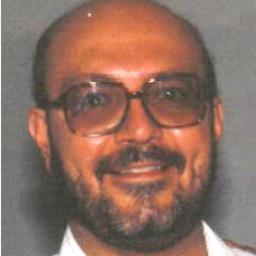
About David
Dr. David Posipanka is a licensed professional counselor with 30 years of experience helping people manage stress, anxiety, addiction concerns, parenting challenges, and depression. He focuses on creating straightforward, nonjudgmental sessions where clients can speak openly about what matters to them.
He encourages small, practical steps toward change instead of overwhelming goals. Conversations center on what is happening now and what a person wants to be different. Clients leave sessions with simple strategies to try between meetings and a clear sense of next steps.
Background and approach
David blends talk-based methods with mindfulness and skills practice. He listens for patterns that keep people stuck and offers ways to shift thinking and behavior. He also uses motivational techniques to help people find reasons to change when motivation is low.
Over three decades of work in Pennsylvania have given him experience across many concerns, including coping with life changes, codependency, chronic illness, and grief from separation or loss. He aims to meet each person where they are and tailor the pace to their needs. People who choose him can expect a steady, respectful presence and a focus on practical progress.
He communicates plainly and helps people track small gains. That approach makes hard problems feel more manageable over time.
Therapeutic approaches and how they fit online
Client-centered therapy focuses on listening and responding to each person's concerns without judgment. It helps people clarify values and make choices that match what matters most to them. Cognitive behavioral therapy, or CBT, looks at thoughts and behaviors that keep problems active and teaches practical skills to change them, which can be useful for anxiety, stress, and addictive behaviors.Finding the right mix of approaches is part of the work. The therapist and client will decide together which methods to try based on needs, goals, and what feels comfortable. This collaborative process makes it easier to adjust the plan if something is not helping.
Online formats include video calls, phone sessions, live chat, and text-based messaging. Video is useful for face-to-face conversation and exercises that benefit from visual cues. Phone sessions can be easier when bandwidth is limited or for shorter check-ins. Live chat or text messaging can fit brief updates, quick coping tips, or when typing feels more manageable than speaking. These options give flexibility to keep therapy going around work, caregiving, or travel while focusing on practical progress.
Questions people ask
What concerns does this therapist help with?
What is the general therapy style used?
How much clinical experience does he have?
What credentials and region are listed for this therapist?
Are sessions available in other languages or countries?
Which session formats are offered?
How is cost handled for therapy sessions?
What are the steps to begin working together?
What this therapist works with
Most often
- Stress, Anxiety
- Addictions
- Parenting issues
Also listed
- Abandonment
- Aging and geriatric issues
- Attachment issues
- Chronic pain, illness, and disability
- Codependency
- Coping with life changes
- Coping with natural or human-caused disaster
- Dependent personality
- Depression
- Disruptive Mood Dysregulation Disorder (DMDD)
- Divorce and separation
- Drug and alcohol addiction
- Fatherhood issues
- First responder issues
- Forgiveness
- Guilt and shame
- Impulsivity
- Life purpose
- Men's issues
- Midlife crisis
- Money and financial issues
- Mood disorders
- Multicultural concerns
- Obsessions, compulsions, and OCD
- Panic disorder and panic attacks
- Phobias
- Process addiction (porn, exercise, gambling)
- Seasonal Affective Disorder (SAD)
- Smoking / vaping cessation
- Veteran and Armed Forces Issues
- Workplace issues
Therapeutic approaches
- Experience
- 30 years
- Licensed
- Pennsylvania
- Languages
- English
We will earn a commission if you sign up through our link, at no cost to you.