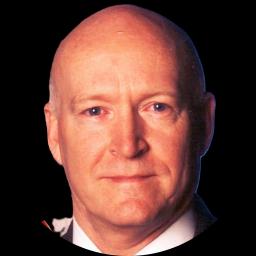
About Charles
Charles Austin is a Licensed Clinical Social Worker with 35 years of experience. He is licensed as an LCSW in Texas and New Mexico and practices in New Mexico. He guides people through stress, anxiety, addictions, trauma, depression, and the strain that comes with big life changes.
His work grew from directing outpatient and inpatient rehabilitation programs and from years in independent practice. He draws on that background to help people facing addiction and recovery challenges.
Background and approach
He also supports those coping with grief, illness, aging concerns, and difficult family-of-origin patterns. Sessions are conversational and practical. He creates a calm space where clients can talk openly about thoughts and feelings without judgment.
He combines straightforward listening with tools that fit a person's daily life. Charles uses a mix of approaches depending on the person and problem. He uses client-centered methods to follow what matters most to the client, cognitive behavioral techniques to tackle unhelpful thinking and behavior, and EMDR for some trauma work.
Mindfulness and existential ideas also show up when people are sorting life purpose and meaning. He speaks from long experience, including his own recovery journey. That personal perspective shapes a steady, supportive style.
To begin, clients answer a short matching questionnaire and schedule sessions based on availability.
How therapeutic approaches translate to online care
Client-Centered Therapy focuses on listening and following what matters most to the client. In online sessions this means the therapist reflects concerns clearly and helps clients set goals they care about. Cognitive Behavioral Therapy or CBT targets unhelpful thoughts and behaviors with clear steps and practice. In remote work CBT often uses short homework tasks, thought records, and problem-solving between sessions to build new habits.Finding the right approach is part of the work. The therapist will talk with each person about their needs, goals, and preferences and choose methods together. That collaborative process makes it easier to adjust techniques over time if something isn’t helping.
Online sessions are offered by video calls, phone, live chat, or text-based messaging to fit different lives. Video is useful for in-depth conversation and exercises that use visual cues. Phone sessions are good for shorter check-ins or when bandwidth is limited. Text and chat let people send updates between meetings or have quick support during busy days. These options make it easier to schedule therapy around work, caregiving, and travel while keeping consistent progress.
Questions people ask
What kinds of problems does Charles help people with?
What is his general therapeutic style?
How long has he worked in this field?
Where is he licensed and based?
Which languages are available for sessions?
What session formats are offered?
How is cost handled for sessions?
How do I begin working with him?
What this therapist works with
Also listed
- Aging and geriatric issues
- Cancer
- Codependency
- Coping with life changes
- Coping with natural or human-caused disaster
- Depression
- Drug and alcohol addiction
- Emptiness
- Family of origin issues
- Forgiveness
- Guilt and shame
- Impulsivity
- Isolation / loneliness
- Life purpose
- Men's issues
- Midlife crisis
- Narcissism
- Panic disorder and panic attacks
- Personality disorders
- Phobias
- Post-traumatic stress
- Self-love
- Social anxiety and phobia
- Veteran and Armed Forces Issues
- Workplace issues
Therapeutic approaches
- Experience
- 35 years
- Licensed
- New Mexico, Texas
- Languages
- English
We will earn a commission if you sign up through our link, at no cost to you.